← Top Picks

Under the Radar · 2026

10 Cities That Haven't Hit The Listicles Yet

*The "under the radar" edition — 2026.*

What we measured in each: weather & seasonal traps · air quality & pollen · WiFi · cost of living · neighborhoods · food · visa · community · the catch

01

Kuching, Sarawak — Malaysia

Borneo's quiet capital. English-fluent, river-fronted, and now with its own dedicated nomad pass.
Kuching — nomad city

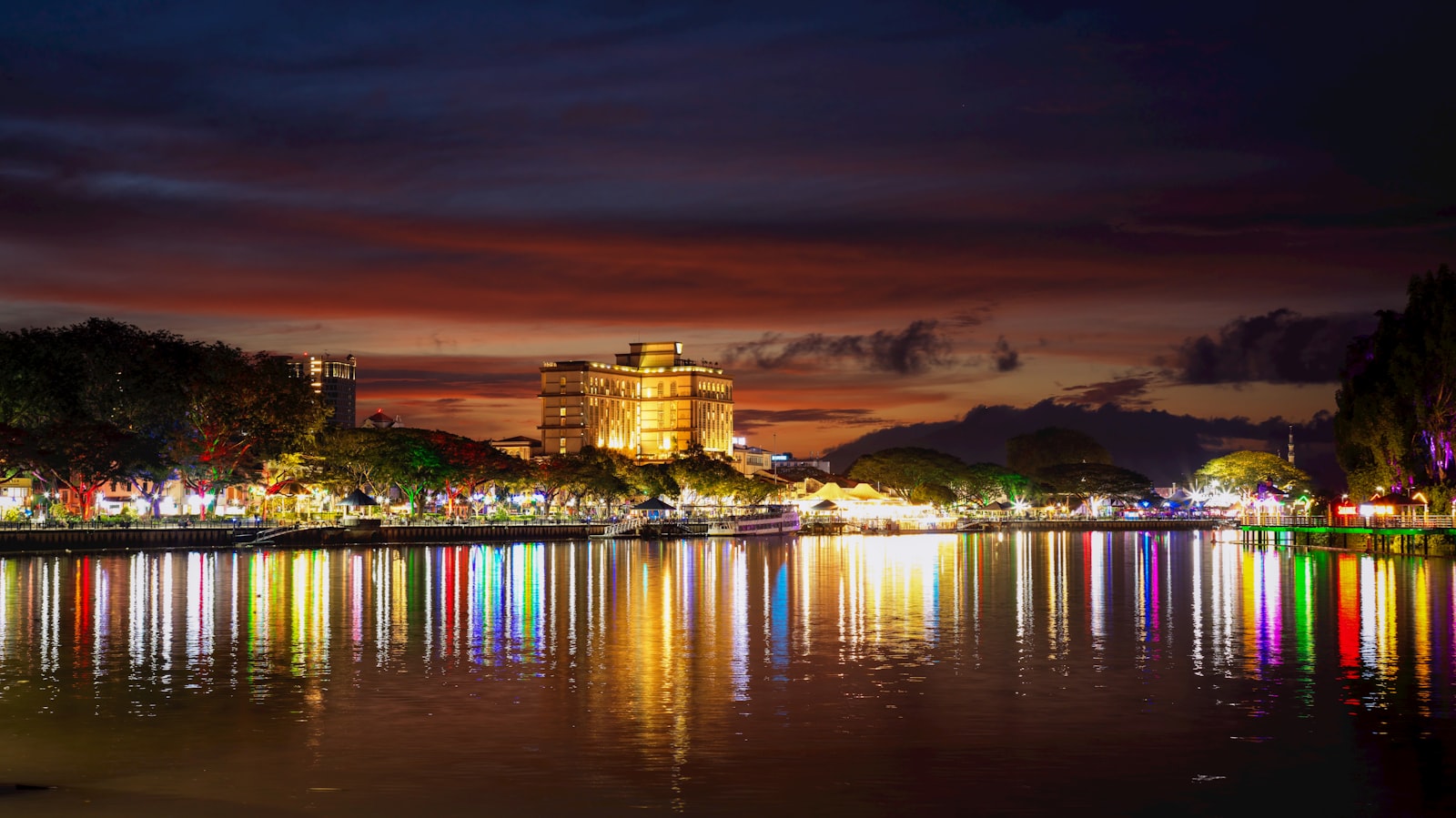
Most "Malaysia for nomads" content assumes you mean Kuala Lumpur or Penang. Kuching — capital of Sarawak, on the western edge of Borneo — is a different country in everything but passport. Sarawak operates its own immigration jurisdiction (negotiated when joining Malaysia in 1963), runs its own DE Rantau pass through SDEC, and presents one of the few places on Earth where you can have a full kopitiam breakfast at 8am and be in proboscis-monkey habitat by 10. The city is compact, the river defines the geography, the heritage is Iban–Chinese–Malay layered, and the per-month price tag punishes anyone still paying KL prices.

Weather

Equatorial. 24–33°C year-round, no real seasons, just wetter or drier. Monsoon (Nov–Feb) brings the heaviest rainfall — not a dealbreaker, but plan for evening downpours. Humidity is the constant: 70–90% most days. Bring linen.

Air & pollen

Generally clean — coastal-equatorial and forested. The exception is the regional haze events from peatland fires in Indonesia (Aug–Oct), which can push AQI into unhealthy ranges. Less severe and less reliable a hazard than Chiang Mai's burning season, but worth watching during dry-El Niño years.

WiFi

Better than the "small Borneo city" reputation suggests. Sarawak's Unifi fiber covers central Kuching at 100–500 Mbps for ~RM150 ($35)/month. Cafés in the heritage core average 50–100 Mbps. Coworking is thin but growing — Wisma Saberkas and the SDEC-supported Sarawak Digital Hub anchor the scene.

Cost of living

$700–$1,200/month for a comfortable lifestyle. 1BR in Padungan or near the waterfront: $250–$450. Kolo mee for $1.50. Sarawak laksa (different from Penang laksa, do not confuse) for $2.50. Coworking around $80/month.

Neighborhoods

Padungan for old-shophouse heritage core and the best food. Riverfront for promenade-and-café living. Pending and Tabuan for residential, cheaper rent, less walkable.

Food

Wildly underrated. Sarawak laksa (Anthony Bourdain called it "the breakfast of gods"), kolo mee, manok pansoh (chicken cooked in bamboo), midin (jungle fern), and a dim sum scene that punches above its weight thanks to the Chinese-Malaysian heritage. Plus halal options everywhere given Malaysia's makeup.

Visa

The reason this city is on the list. The Peninsular Malaysia DE Rantau pass is not valid in Sarawak. Sarawak runs its own DE Rantau Sarawak Pass through SDEC — same conceptual model (12 months, foreign income, ~RM1,000 fee) but processed separately. Most non-pass nomads get 90 days visa-free on entry to Sarawak (a separate immigration stamp from Peninsular Malaysia). Foreign-sourced income remains exempt from Malaysian tax through Dec 2026.

Community

Smaller than KL or Bali — measured in dozens, not hundreds. But that's the point. The Sarawak Digital Economy Corporation is actively recruiting nomads, and the English-fluency rate (Sarawakian English is its own warm dialect) means there's no language barrier.

The catch

Nightlife is genuinely sleepy — this is a "9pm and most places close" city. Flights are limited (Singapore, KL, sometimes Pontianak) — international connectivity runs through KL. Healthcare is decent but you'd fly to KL for anything serious. And the SDEC pass is newer and less battle-tested than DE Rantau on the peninsula, so allow extra time for processing.
02

Fukuoka, Japan

Japan's tech-and-food capital that isn't Tokyo. The country's official nomad bet.

Fukuoka — nomad city

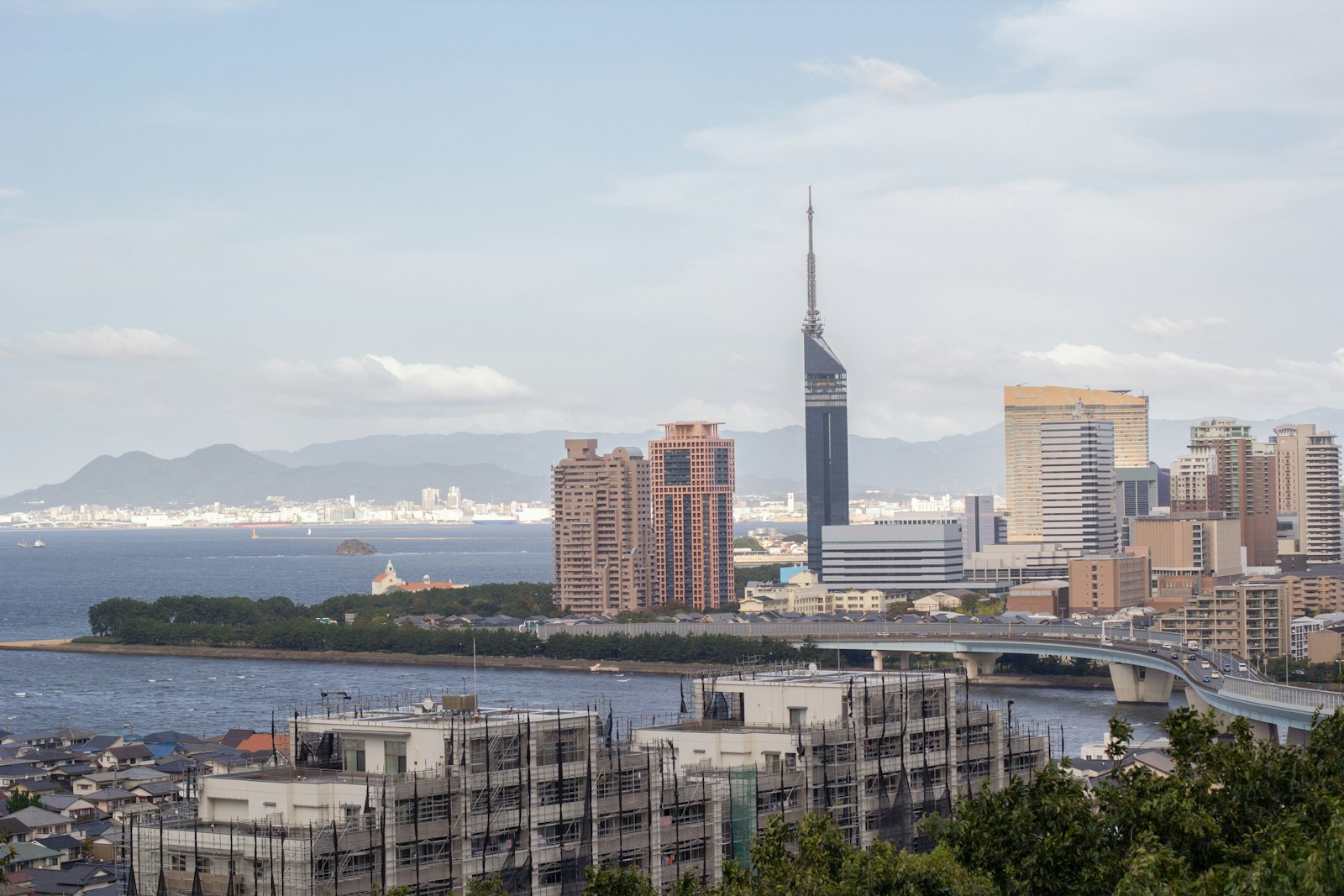
If Tokyo overwhelms you and Kyoto's too touristed, Fukuoka is the answer almost no Western nomad knows to ask for. Sitting on the north coast of Kyushu, Japan's southernmost main island, Fukuoka is a city of 1.6 million that the Japanese government is openly trying to turn into a startup and digital nomad capital. The Colive Fukuoka event (Asia's largest nomad gathering), the prefecture-funded Startup Café, multilingual coworking passes, and a 90-minute flight to Seoul make it genuinely strategic — and the cost of living is 20–40% below Tokyo for arguably better food.

Weather

Four real seasons. Summer (Jul–Aug) hot and humid, 28–34°C. Winter (Dec–Feb) cool, 4–12°C, occasional snow. Spring (Mar–May) is the famous one — cherry blossoms in Maizuru Park, mild 15–22°C. Typhoon season (Aug–Sep) can affect Kyushu more than the main island, but flooding is rare in the city itself.

Air quality

Among the best of any Asian city this list will visit. PM2.5 occasionally bumps up due to yellow dust (kosa) blown in from mainland China in spring — March/April is the watch window. Otherwise consistently good.

Pollen

This is the real seasonal trap. Japan's kafunshō — cedar and cypress pollen — peaks Feb–April and is severe enough that whole pharmacies dedicate sections to it. If you're hay-fever prone, those months can be miserable. April is paradoxically the prettiest and the most allergenic month.

WiFi

Genuinely excellent. Fiber to apartments at 1 Gbps for ~¥4,000 ($27)/month. Cafés are reliable; the "buy a coffee = work all day" culture is strong. The Company coworking chain has a dedicated Digital Nomad Pass (¥8,000/week, ¥67,200/12 weeks) covering 4 Fukuoka locations with multilingual staff. The Engineer Café in Tenjin is municipal and free with a coffee purchase.

Cost of living

$1,800–$2,800/month for a comfortable solo lifestyle. The bottleneck is housing — Japanese rental contracts require juminhyo (resident registration) which DN visa holders can't get, so most nomads use weekly/monthly apartments or share houses (Oakhouse, Social Apartment, Borderless House). Furnished studio: ¥80,000–¥150,000 ($550–$1,000). Share house room: ¥45,000–¥70,000. Hakata ramen for ¥900–¥1,300.

Neighborhoods

Tenjin and Hakata are the twin downtowns — shopping, restaurants, business. You'll work there but probably live elsewhere. Daimyo, between Tenjin and Akasaka, is the hipster-residential sweet spot — vintage shops, indie cafés, walkable. Momochihama for beach access and the modern waterfront. Itoshima (45 min by train) for the surf-rural escape that locals quietly prize.

Food

Hakata ramen is the global fame, but the real treasure is the yatai (open-air food stall) culture along the Nakasu river — sit on a stool, eat motsunabe (offal hot pot), drink shochu. Mentaiko (spicy cod roe) and Hakata-style chicken are local. Convenience stores (konbini) make legitimate meals at any hour for ¥500.

Visa

Japan's Digital Nomad Visa (formally "Designated Activities — Notice No. 53") launched March 2024: 6 months, single-entry, ¥10M/year (~$68,000) income requirement, mandatory ¥10M coverage health insurance. Not renewable while in-country — you must leave and re-apply. Most nomads run on 90-day visa exempt entries for shorter stays. Under 1 year and foreign income = generally non-resident for Japanese tax purposes.

Community

Punching way above its weight. Colive Fukuoka (annually, week-long) is Asia's biggest nomad event. Weekly meetups at Awabar in Daimyo, Ramen Tech startup events, and a multilingual local nomad scene that's much warmer than Tokyo's professionalized expat circuit.

The catch

Housing is the friction point — competing with tourists for hotels and Airbnbs is the default reality. The 6-month visa cap is the second friction point — for serious basing, this is a "season here, season elsewhere" city, not a year-round base. Spring pollen is the third.

03

Taichung, Taiwan

Taipei's quieter, cheaper sibling. Same infrastructure, much less attention.

Taichung — nomad city

Taiwan is the Asia nomad case study most people miss: top-5 global internet, world-class safety, healthcare that runs circles around most G7 countries, and a food culture that has reasonable claim to being among the best in Asia. Taipei gets the coverage. Taichung — Taiwan's second-largest city, population 2.8 million, four hours by HSR from Taipei — gets the same fundamentals at noticeably lower cost, plus better year-round weather. The Taiwan Digital Nomad Visa launched January 2025, and the territorial tax system means most short-term stays pay zero on foreign income.

Weather

Subtropical. Hot and humid summers (28–34°C, May–Sep), mild winters (12–20°C, Dec–Feb). Taichung is in the central plain, which means it gets less rain than Taipei (which is wet most of the year) and less typhoon impact than Hualien on the east coast. Spring and autumn are the standout months.

Air quality

The honest weak spot. Central Taiwan PM2.5 spikes in winter (Nov–Feb) due to coal power and trapped air, with AQI sometimes hitting 100–150. Better than Bangkok or Chiang Mai in burning season, but worse than Taipei. Indoor air purifiers are standard in nomad-grade apartments.

Pollen

Low. Subtropical flora doesn't produce the temperate-zone seasonal spikes.

WiFi

World-class. Chunghwa Telecom fiber at 500–1000 Mbps for NT$1,200 ($38)/month. Coworking density is real — TKB Square, Funspace, and several international chains in the Xitun and West District areas. Café culture is unusually laptop-friendly for Asia.

Cost of living

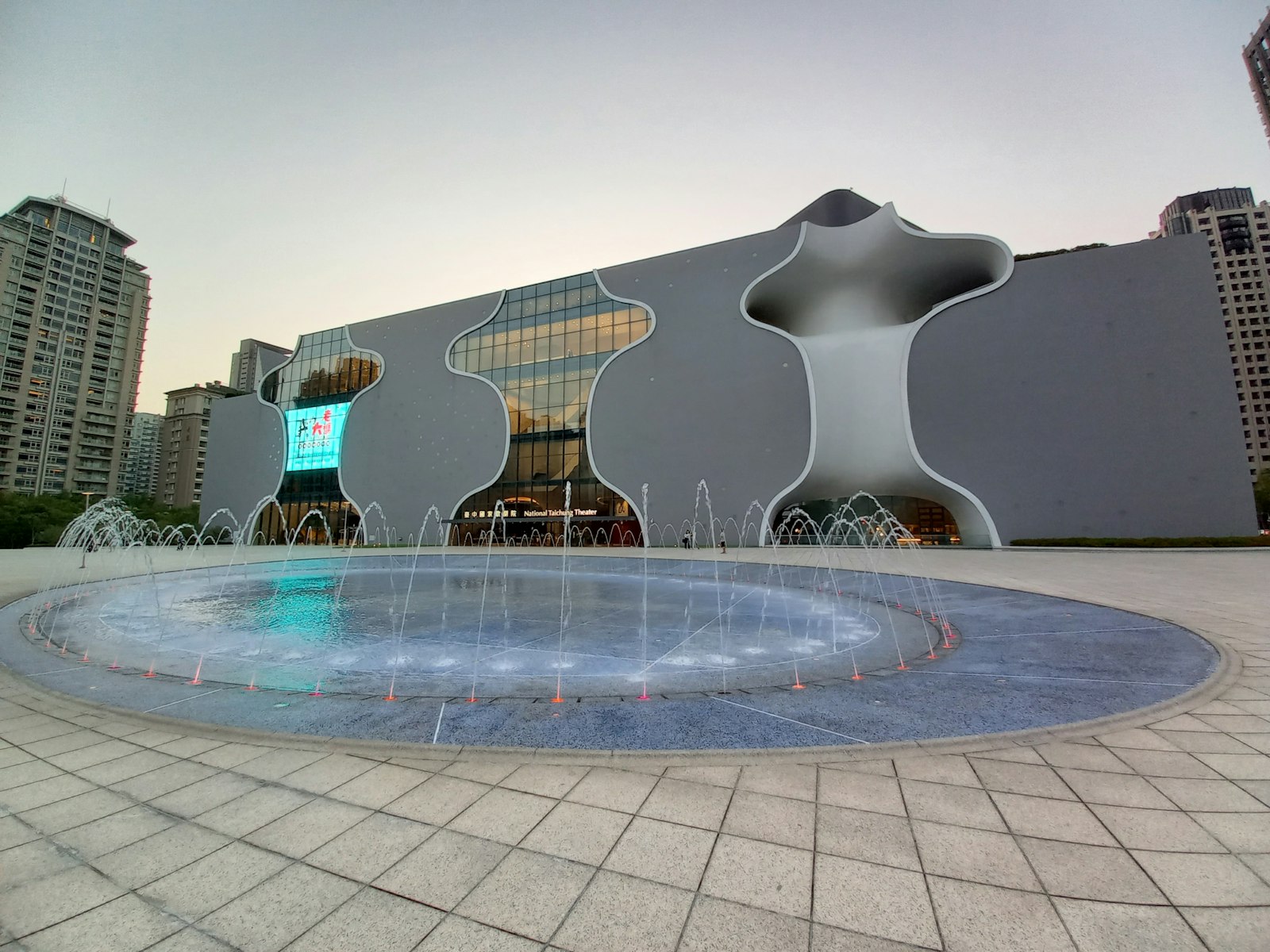
$1,200–$1,800/month for comfortable. 1BR apartment in Xitun or near the National Taichung Theater: NT$15,000–NT$25,000 ($475–$790)/month. Beef noodle soup for $4. Coworking around $100–$150/month. Roughly 30–40% cheaper than Taipei across the board.

Neighborhoods

Xitun District for the modern center — National Taichung Theater, Calligraphy Greenway, the best café density. West District (Xiqu) for the design-and-coffee scene that earned Taichung its "design capital" tag. North District for cheaper, more local. Fengyuan for genuinely rural-adjacent.

Food

This is where Taichung quietly dominates. Bubble tea was invented here (Chun Shui Tang originated it in 1986; you can drink it at the source). The night market scene — Fengjia, Yizhong — is among the best in Taiwan. Sun cakes (taiyangbing) are the local pastry obsession. Beef noodle soup (niúròu miàn) deserves its own essay.

Visa

Taiwan Digital Nomad Visa (launched Jan 2025): visa-exempt countries only, max 180 days (initially 90, extendable 90), income proof $20K/year (under 30) or $40K/year (over 30). Territorial tax system: 0% on foreign income under 90 days, 18% flat for 90–183 days, full rate after. For longer-term, the Taiwan Gold Card (separate program) is more powerful but harder to qualify for.

Community

Smaller than Taipei, smaller than Bangkok. The nomad scene here is real but quiet — measured in low hundreds. Cycling community is strong (Taichung is bike-flat compared to Taipei's hills). Mandarin helps significantly; English is more limited than in Taipei.

The catch

Less English than Taipei outside the modern Xitun district. Winter air quality is a real consideration. The 180-day visa cap means this is genuinely a "season" city, not a year-base unless you upgrade to a Gold Card. And the High Speed Rail addiction is real — once you realize Taipei is 60 minutes away for $25, weekly trips eat into your savings.

04

Busan, South Korea

Korea's coast. Beaches, mountains, 1 Gbps WiFi, and a city government openly courting remote workers.

Busan — nomad city

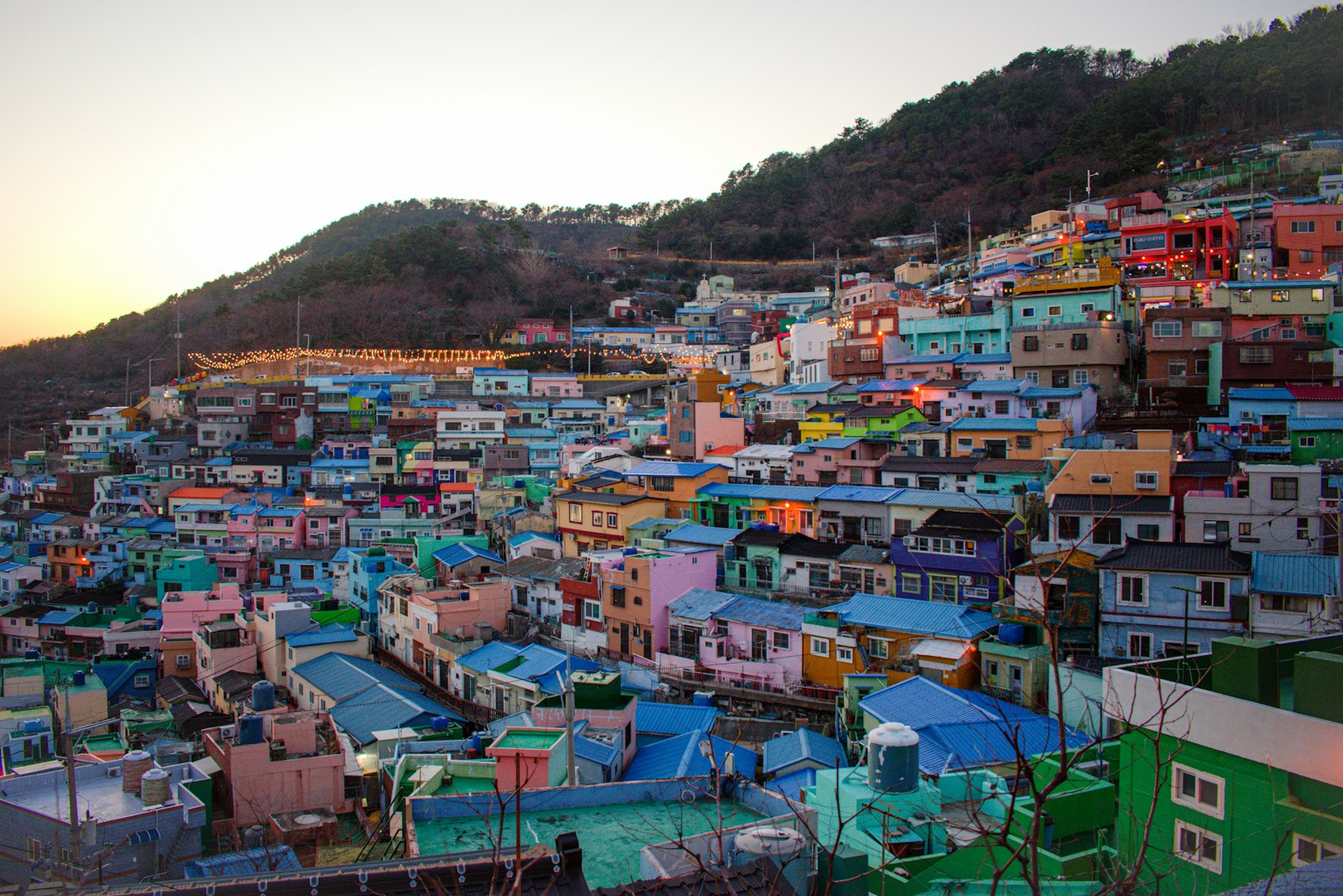
The case for Busan is increasingly hard to argue with: it's South Korea's second city (3.5 million people), it has actual beaches and actual mountains within actual subway distance, the cost of living is 25–30% below Seoul, internet is at world-record levels, and the country launched the F-1-D Workation Visa in 2024 specifically to attract long-stay remote workers. Busan's local government has been particularly active — workation programs, sponsored events, and a Sea Side Office initiative that funds remote-worker hubs on Gwangalli Beach.

Weather

Four seasons, coastal-moderated. Summers (Jul–Aug) hot and humid, 26–32°C, monsoon rains July–early August. Winters (Dec–Feb) cool but milder than Seoul, 0–10°C, rare snow. Spring (Apr–May) and autumn (Sep–Oct) are the standout months — clear skies, 15–22°C, perfect for the beach-and-mountain combination.

Air quality

Better than Seoul or inland Korean cities. Coastal location keeps it well-ventilated. PM2.5 still spikes during spring yellow-dust events (Mar–Apr, blown from China) and during winter inversions — but generally moderate.

Pollen

Mild. Japanese cedar pollen blows over occasionally in spring, but at lower intensity than Japan itself.

WiFi

South Korea has had the world's fastest average broadband for the last decade and Busan reflects that. 1 Gbps fiber for ₩30,000 ($22)/month, 5G coverage is essentially universal. Coworking memberships at WeWork Centum City, FastFive, and the Busan Tech Park innovation spaces run ₩200,000–₩400,000 ($150–$300)/month.

Cost of living

$2,000–$3,000/month for comfortable. Studio in Haeundae or Seomyeon: ₩600,000–₩1,200,000 ($450–$900)/month, with the famous Korean "key money" (jeonse/wolse) deposit system as a barrier — most nomads end up at serviced apartments or share houses. Korean BBQ (samgyeopsal) for $10–$15, street food for $3–$5.

Neighborhoods

Haeundae for the beach-and-luxury combo (think Korean Miami Beach). Gwangalli for the iconic suspension bridge view and a more laid-back beach scene. Seomyeon for downtown shopping and nightlife. Centum City for the business district and the world's largest department store (Shinsegae). Nampo-dong for the historic, Jagalchi fish-market authenticity.

Food

Busan invented Korean street food culture. Ssiat-hotteok (seed-stuffed pancakes), milmyeon (cold wheat noodles, Busan's regional cousin of Pyongyang's naengmyeon), dwaeji-gukbap (pork-rice soup), and the freshest sashimi outside Japan thanks to Jagalchi Market. The coffee scene is genuinely world-class.

Visa

F-1-D Workation Visa (launched Jan 2024): up to 2 years (1+1 renewal), ₩88.1M (~$66,000) income requirement, ₩100M private health insurance coverage required, must have 1+ year industry experience. Remote work for foreign clients only — Korean clients prohibited. Most US/EU nationals also get 90-day K-ETA visa-free entry for shorter stays. For under-31s: H-1 Working Holiday Visa is a separate, easier pathway.

Community

Growing fast. Smaller than Seoul's expat scene but tighter — Workation Busan, an official city program, runs events and discounts. Strong startup/tech presence around Centum and Haeundae. English is less common than Tokyo or Taipei but improving.

The catch

The $66K income requirement filters hard — this is a higher-earning-nomad destination by visa design. Cost of living is the highest in this list outside of Fukuoka. Korean rental "key money" customs are alien to most Westerners (a ₩10–50M refundable deposit is normal). And the winter is genuinely cold by Asian standards.

05

Cluj-Napoca, Romania

The "Silicon Valley of Romania." 1 Gbps internet, EU access, and rent that hasn't caught up to its tech scene.

Cluj-Napoca — nomad city

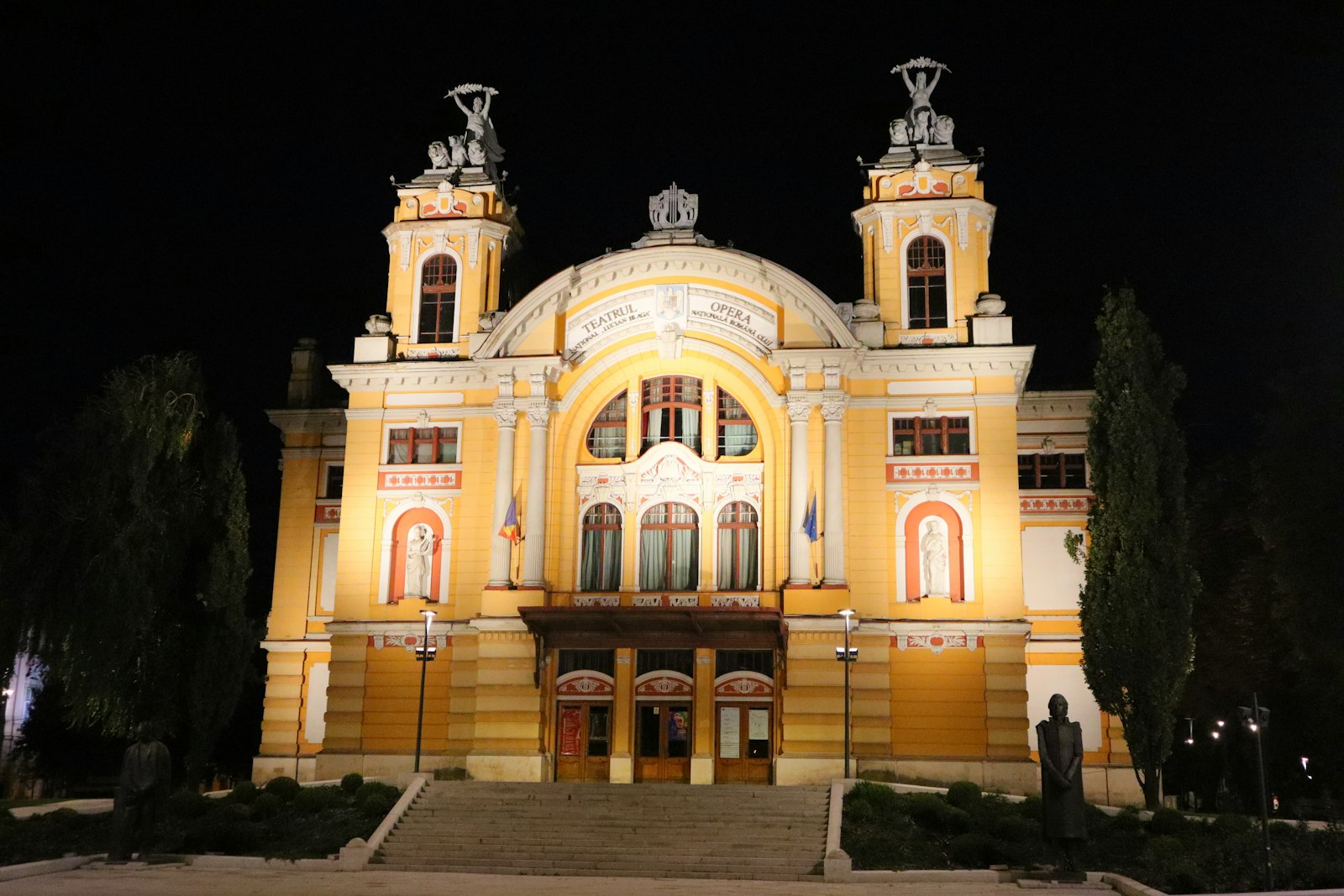
Romania is consistently in the top 5 globally for fixed broadband speed — average download speeds over 200 Mbps — and Cluj-Napoca is the country's tech hub. Major outsourcing presence (Endava, Bitdefender, Emag), a young university population, and a digital nomad visa program that exempts holders from Romanian income tax entirely. For EU passport holders, no visa is needed at all. For everyone else, the visa fee is €120 and the income bar is €3,300/month — not the cheapest in Europe, but the tax exemption makes the math very different from Lisbon or Barcelona.

Weather

Continental. Four real seasons. Summers (Jun–Aug) warm and pleasant, 22–28°C. Winters (Dec–Feb) cold, often snowy, sometimes -10°C. Spring and autumn are bright, mild, often considered the best months. Cluj sits in a valley in Transylvania, so weather is moderated by surrounding hills.

Air quality

Generally good — better than Bucharest. Winter has occasional inversions and elevated PM2.5 from residential heating, but overall mild compared to most capitals.

Pollen

Tree pollen (birch, hazel) peaks Mar–Apr; grass pollen May–Jul. Standard temperate-Europe profile.

WiFi

This is the city's USP. Cluj has 1 Gbps symmetric fiber widely deployed for ~€15/month. Mobile data is among the fastest in Europe. Coworking density is high — Cluj Hub, ClujHub, ClujCowork, Sticky Studios — at €100–€200/month. The café-with-fast-WiFi culture is genuine, not aspirational.

Cost of living

$1,200–$1,800/month for comfortable. 1BR in central Cluj (Centrul Vechi, Andrei Mureșanu): €500–€800/month. Cluj rents are now reportedly the highest in Romania — outstripping Bucharest — but still 60% below comparable Western European cities. Lunch menus €6–€10. Excellent Romanian wine at $4–$6/bottle.

Neighborhoods

Centrul Vechi (Old Town) for the cobblestoned, café-dense walkable core. Mărăști for the tech-startup adjacent, younger crowd. Andrei Mureșanu for upscale residential. Mănăștur for cheaper student-heavy.

Food

Romanian cuisine is criminally undercovered abroad — mici (grilled minced-meat rolls), sarmale (stuffed cabbage rolls), mămăligă (polenta), ciorbă de burtă (tripe soup, beloved or feared). Cluj has a strong Hungarian-influenced scene (gulyas, kürtőskalács chimney cakes) due to the Transylvanian dual heritage. The third-wave coffee scene is real and serious.

Visa

Romania Digital Nomad Visa (Law 22/2022, refined under Law 69/2023): 12 months, renewable once, €3,300/month income requirement (3× Romanian average gross salary), processing 10–14 working days via eVisa portal — fastest in Europe. Tax exemption on foreign-source income for visa holders is the killer feature. Romania joined Schengen for air/sea travel in March 2024, full Schengen integration ongoing.

Community

Tech-tilted. The expat scene is smaller than Bucharest but more concentrated — most foreigners in Cluj are tied to the IT industry or the universities (Babeș-Bolyai is one of Romania's top schools). Cluj hosts TIFF (Transylvania International Film Festival, end of May) and Electric Castle (festival, mid-July) which both bring international flux.

The catch

Smaller airport than Bucharest — flight connections are decent but mostly via Western European hubs. Romanian is a Romance language but with distinctive features; English is widespread under 40 but not universal. Cluj is genuinely cold and gray December–February — pack accordingly. And the rental market for 1-bed apartments has tightened due to the tech-sector pay scale.

06

Montevideo, Uruguay

Latin America's quiet Switzerland. Stable, modern, time-zone aligned with the US Eastern Seaboard, and the easiest digital nomad permit in the Americas.

Montevideo — nomad city

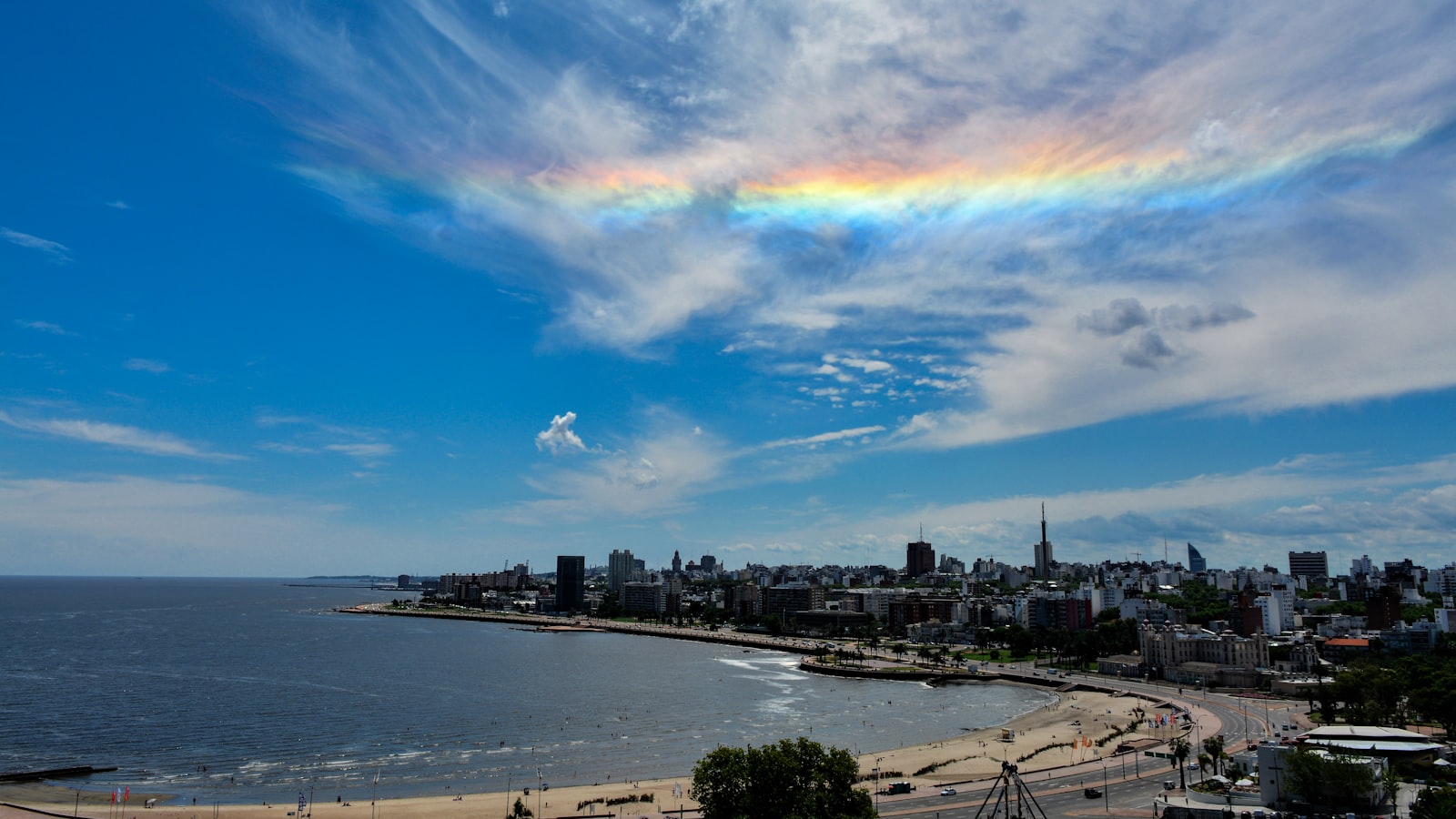
If Buenos Aires is the dramatic capital across the Río de la Plata, Montevideo is the version that didn't have the economic crisis. Uruguay is the highest-GDP-per-capita country in Latin America, ranks #1 in the region for institutional stability, has the best fiber infrastructure on the continent (Antel's state-deployed network), and the 2023 Digital Nomad Permit has no income requirement — just an affidavit. The 100 km of waterfront Rambla, the time zone alignment with both US East Coast and Western Europe, and the meat-and-wine culture make it a quietly excellent base.

Weather

Southern Hemisphere, four mild seasons. Summer (Dec–Feb) warm, 22–30°C, occasionally humid from the river. Winter (Jun–Aug) cool but rarely freezing, 8–14°C. Spring and autumn are mild, often windy. The Rambla wind is a constant.

Air quality

Very good — among the cleanest of any major Latin American city. Coastal location, minimal heavy industry, sea breezes.

Pollen

Spring pollens (Sep–Nov) include plane trees and pampas grasses; moderate impact.

WiFi

Outstanding. Antel's state-deployed fiber routinely delivers 200–600 Mbps at apartment level for ~$30/month. Coworking density is real — Sinergia Cowork is the local flagship, plus Espacio Serratosa, Cowork Latam. Café-friendly culture (try The Lab Coffee Roasters, La Farmacia Café, Philomène) makes laptop-hopping easy.

Cost of living

$1,800–$2,500/month for comfortable. This is the surprise — Uruguay is more expensive than most of Latin America. 1BR in Pocitos or Punta Carretas: $800–$1,400/month. Steak and Tannat-wine dinner: $25–$40. Coworking $150–$250. The compensation is quality — everything works.

Neighborhoods

Pocitos for beachfront living, safety, and the highest concentration of cafés. Punta Carretas for upscale residential and the Rambla. Ciudad Vieja for historic charm — though parts have visible homelessness and decay, mixed reviews from residents. Cordón and Parque Rodó for younger creatives and university-adjacent vibe.

Food

Beef is the obsession — Uruguayans consume more red meat per capita than almost anywhere on Earth. Asado (the Sunday family barbecue) is religion. Chivito (a maximalist beef sandwich) is the unofficial national dish. Wine — Tannat in particular — is excellent and underpriced. The cuisine outside meat is less varied (locals will joke about this themselves).

Visa

Uruguay Digital Nomad Permit (2023, formalized 2024): 180 days, extendable to 12 months total, no minimum income, just an affidavit of self-sufficiency. Apply online before or after arrival. Permanent residency available after one year for those interested. Uruguay's banking system is unusually open to foreigners.

Community

Smaller than Buenos Aires but growing. Sinergia Cowork is the social hub. Wednesday-night expat meetups via @mis_uruguay. The Howdy team is based here, anchoring a US-tech expat presence. English is widely spoken in nomad areas but Rioplatense Spanish (with the vos/ll-as-sh features) is the dominant working language.

The catch

It's expensive for Latin America — budget more than you'd expect for Mexico City or Buenos Aires. Outside the capital, the country empties out quickly (this is a city-state-sized nation, 3.4M people total). Customer service standards run gauchada-relaxed (charming or maddening, depending on day). And the famous Rambla is windier than guidebooks admit — bring a jacket year-round.

07

Kigali, Rwanda

Africa's most engineered city. Clean, organized, fiber-deployed, and the closest thing the continent has to a "Singapore of Africa."

Kigali — nomad city

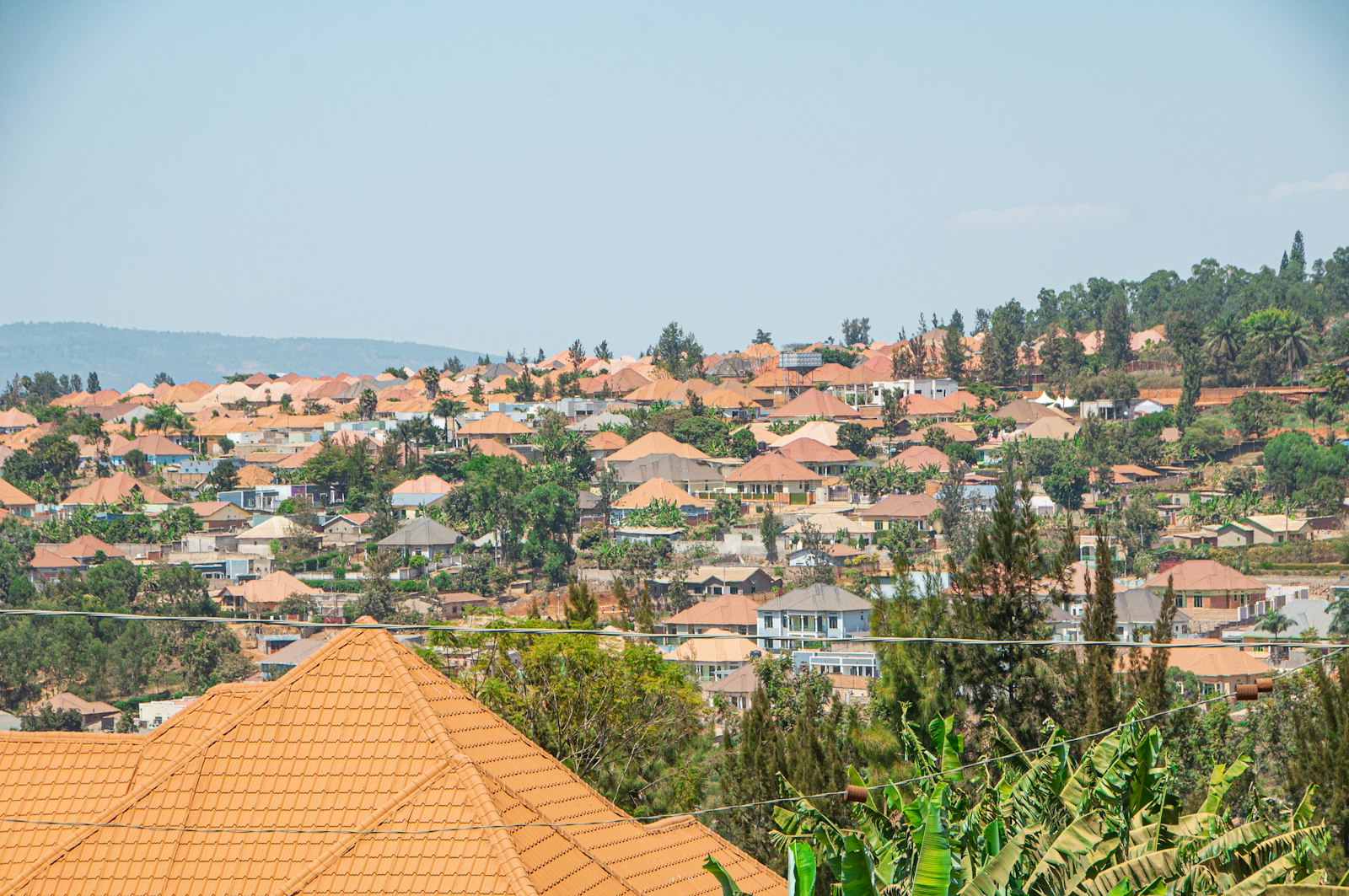
Kigali is the city most under-covered in this list, and the most likely to surprise. Rwanda's national strategy explicitly aims to make Kigali a regional tech and financial hub — Vision 2050 — and the on-the-ground reality reflects it. The city is genuinely clean (plastic bags have been illegal since 2008), violent crime rates are among the lowest in Africa, fiber internet exists in central districts, and the corruption-perception score is the best in East Africa. For nomads, Kigali is an asymmetric bet: limited international community, high cultural-adjustment cost, but a city with infrastructure most African capitals can't match, and weekend access to mountain gorillas.

Weather

Highland tropical. Kigali sits at 1,567m, giving it perpetual spring-like temperatures — 18–28°C year-round. Two rainy seasons: long rains Mar–May, short rains Oct–Nov. Dry seasons (Jun–Sep and Dec–Feb) are pleasant and clear.

Air quality

Generally good — clean, organized urbanism keeps dust and particulate low. Some seasonal variation; dry season can be dustier. Better than nearly any East African capital.

Pollen

Equatorial low-spike profile. Not a major factor.

WiFi

Better than the regional reputation. MTN and Airtel offer 4G/5G in Kigali at competitive rates. Fixed fiber via Liquid Intelligent Technologies and others delivers 50–200 Mbps in central neighborhoods. Coworking density is thin — Westerwelle Startup Haus, Norrsken Kigali House (one of the largest tech hubs in Africa, opened 2021), and Impact Hub Kigali anchor the scene.

Cost of living

$700–$1,400/month for comfortable. 1BR apartment in Kacyiru, Kimihurura, or Nyarutarama: $300–$700/month. Eating out: $5–$15/meal at mid-range, $2–$3 at local. Norrsken membership ~$200/month. Importing Western goods adds 30–50% markup — budget for it.

Neighborhoods

Kimihurura and Nyarutarama for the expat-and-NGO concentration, restaurants, security. Kiyovu for diplomatic corps and serious luxury. Kacyiru for residential and government district. Nyamirambo for genuinely local, cheaper, more textured.

Food

Rwandan cuisine is grain-and-vegetable forward — ugali (maize porridge), isombe (cassava leaves with peanut sauce), brochettes (grilled skewers), ibirayi (potatoes in nearly any preparation). The expat food scene is surprisingly developed — Repub Lounge, Heaven Restaurant, Question Coffee for excellent Rwandan beans, and the Inzora Rooftop. Coffee is genuinely world-class (Rwanda is a specialty-coffee origin country).

Visa

No formal digital nomad visa yet. Most nationalities get visa-on-arrival: 30 days single-entry for $50, or 90-day multi-entry for $70 (online). The East Africa Tourist Visa ($100) covers Rwanda, Uganda, Kenya for 90 days. For longer stays, the Class T tourist visa can be extended in-country; serious long-stayers typically apply via the Investor program or sponsorship. Rwanda has indicated a formal nomad visa is "evolving" — watch the space.

Community

Small but high-quality. Norrsken Kigali House is the gravitational center — pan-African founders, NGO professionals, climate-tech operators. The expat scene skews older and more mission-driven than party-driven; this is not a backpacker town.

The catch

Things that are normal elsewhere chip away at savings — imported groceries, reliable power generators, Western medication, decent wine. Healthcare for serious issues means flying to Nairobi or beyond. The political environment is tightly controlled — public criticism of leadership is not advisable, and press freedom rankings are low. Tap water isn't reliably potable. And Kinyarwanda is genuinely difficult; French and English are both official, but real fluency in service jobs varies.

08

Podgorica & Kotor, Montenegro

Europe's smallest Adriatic country. Mountains, fjord-coast, euro pricing, and a digital nomad permit that goes up to 4 years.

Podgorica & Kotor — nomad city

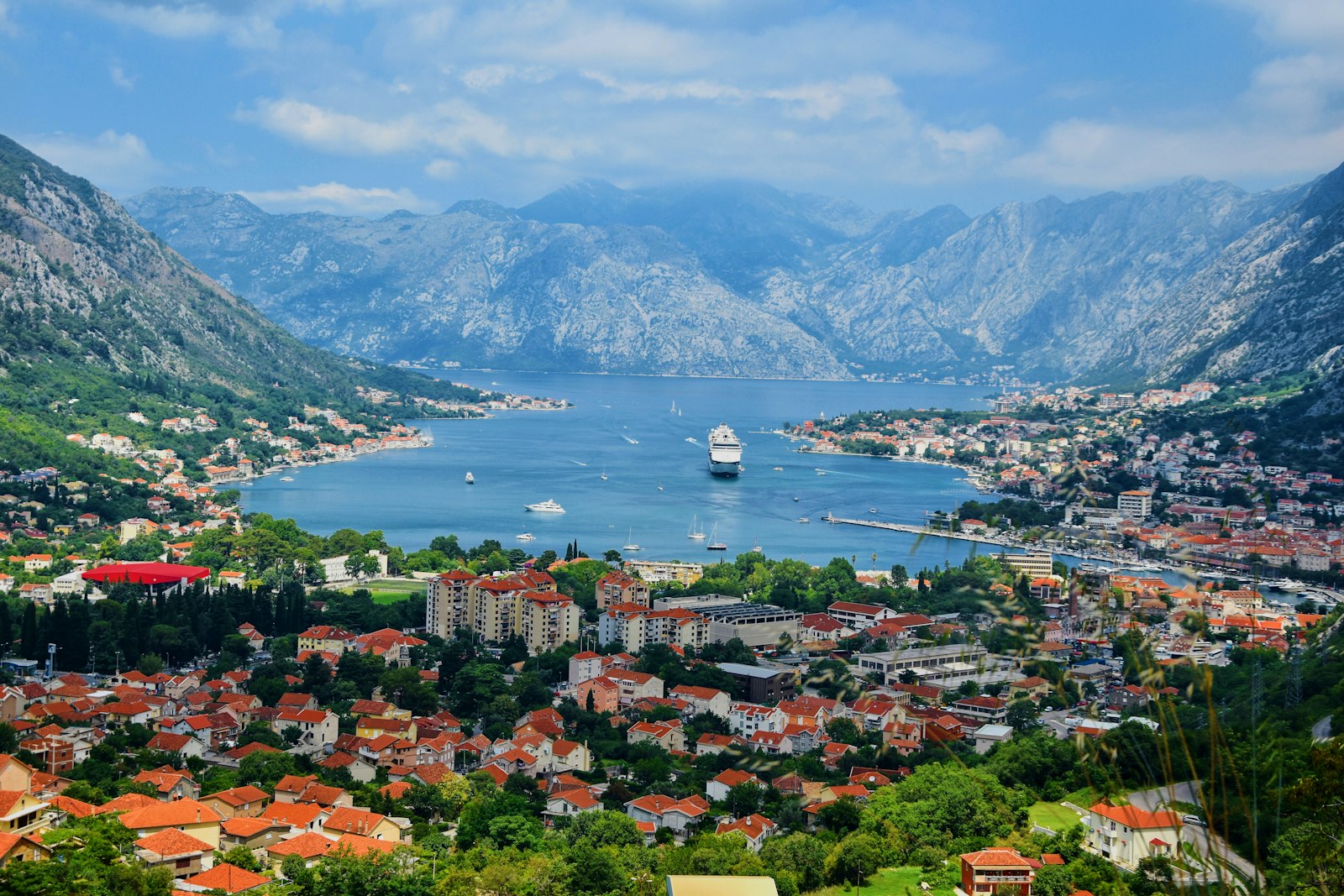
Montenegro is what you get when you take the Croatian coastline, halve the prices, and remove half the tourists. Podgorica (the capital, inland) and Kotor (the UNESCO-listed bay town on the coast) form a complementary one-hour-apart base — you live in one, you weekend in the other. The 2024 Digital Nomad Visa allows initial 2-year stays renewable for another 2 years (longest residency-track in the Balkans), and Montenegro uses the euro without being in the eurozone, which keeps prices unusually low for a euro-priced country.

Weather

Two distinct microclimates. Coast (Kotor, Budva, Tivat) is Mediterranean — hot dry summers (28–33°C), mild winters (8–14°C), 250+ sunny days/year. Inland (Podgorica) is continental-influenced — Podgorica gets the hottest summer temperatures in the Balkans, often 35–40°C in July–August, and chilly winters with occasional snow.

Air quality

Generally good on the coast. Podgorica has occasional winter inversions and elevated PM2.5 from residential heating; AQI sometimes 80–120 in cold months. Better than Belgrade, worse than Lisbon.

Pollen

Mediterranean profile inland — olive (May–Jun), grass, and parietaria can be sharp.

WiFi

Decent in cities, patchy in mountain villages. Crnogorski Telekom and m:tel fiber deliver 100–500 Mbps in Podgorica and the major coastal towns at €20–€35/month. Coworking is thin but present — Digital Nomad Hub in Podgorica, NomadHaus in Kotor area. Café WiFi reliable in tourist-grade towns.

Cost of living

$1,500–$2,500/month for comfortable. 1BR studio in Podgorica: €400–€600/month. 1BR in Kotor or Budva (coastal premium, especially summer): €600–€900/month. €2/coffee, €15–€20 for a Montenegrin grilled-meat dinner with wine.

Neighborhoods

Podgorica: Centar for the walkable core. Stari Aerodrom for residential and quieter. Kotor area: Kotor Old Town for the UNESCO charm (and tourist density May–Sep). Tivat and Dobrota for less touristy bay-side living. Budva (40 min south) for beaches and party scene.

Food

Balkan-Mediterranean overlap. Njeguški pršut (mountain prosciutto from Njeguši village), kačamak (cornmeal porridge with kajmak cheese), grilled lamb, fresh Adriatic fish on the coast. Vranac is the local red wine — punchy, food-friendly, $5–$10/bottle. Coffee culture (Italian-influenced) is excellent.

Visa

Montenegro Digital Nomad Visa (Program for Attracting Digital Nomads, 2024 framework): residence permit valid 2 years, renewable for another 2 years. Income requirement: €1,350–€1,800/month (sources vary slightly; official is 3× Montenegrin minimum wage). Bank balance proof ~€16,200. Cannot work for Montenegrin clients. Application fee €42–€67. Montenegro is an EU candidate country targeting membership by 2028 — the visa landscape may change.

Community

Small. The nomad scene is concentrated in Kotor and Tivat in summer, Podgorica year-round, with the Bay of Kotor playing host to multiple Western expats who relocated post-2022. English is widely spoken in tourist zones; less so in Podgorica neighborhoods.

The catch

Bureaucracy can be slow even by Balkan standards. Coast goes touristy-mad June–August (prices spike, crowds peak); shoulder seasons are infinitely better. Driving culture is aggressive. And the "Podgorica is ugly" reputation isn't entirely unfair — it's a Brutalist-Yugoslav-meets-rebuild capital, not a postcard city. Most nomads optimize by basing in Kotor area and treating Podgorica as a service hub (airport, banks, ministries).

09

Mérida, Mexico

The CDMX alternative. Mexico's safest large city, colonial-grid walkable, and currently the country's quietest nomad boom.

Mérida — nomad city

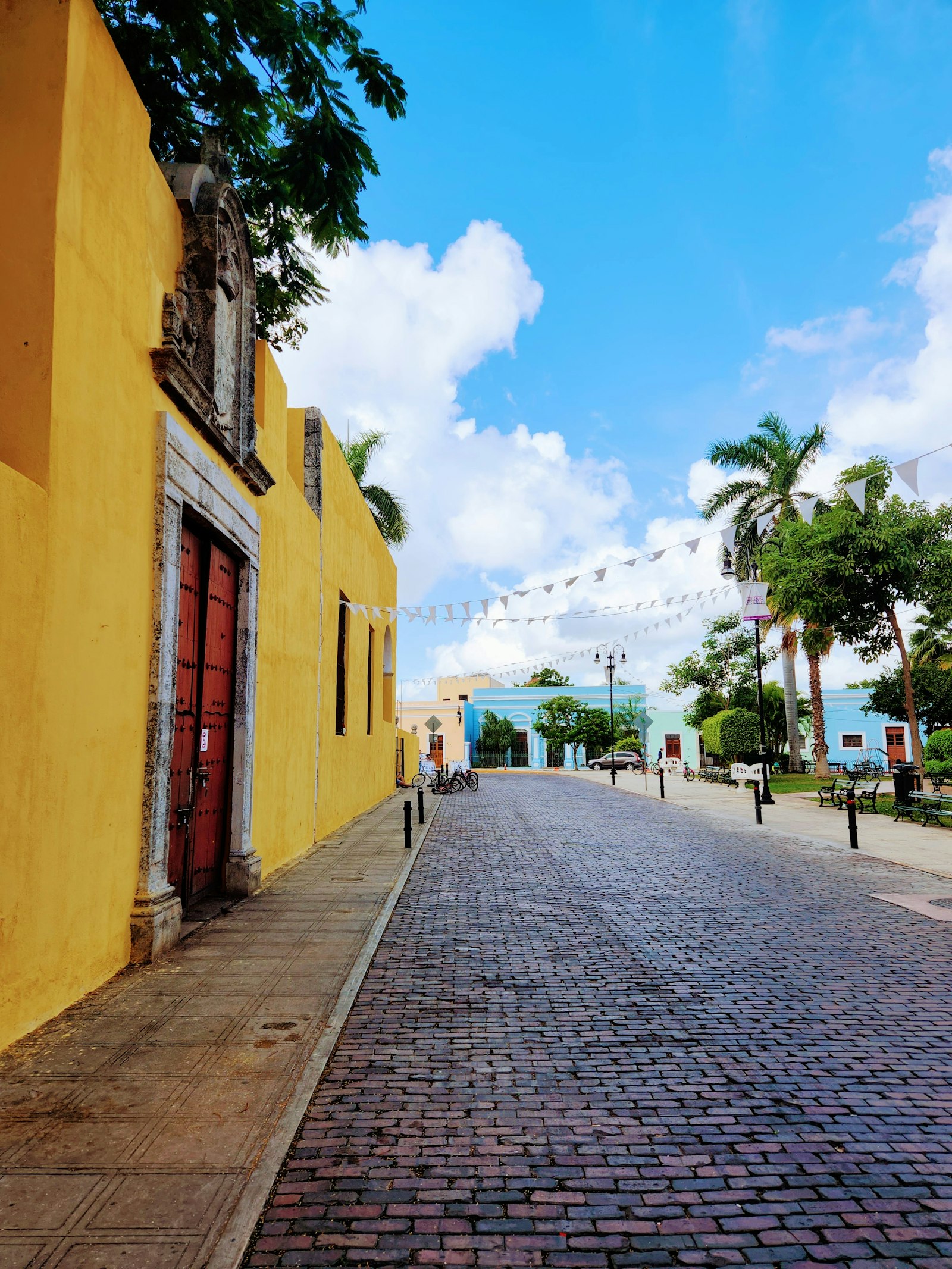
Mérida has been having "a moment" for about four years and somehow still hasn't broken the Mexico-nomad SEO that Mexico City and Playa del Carmen dominate. The Yucatán capital is consistently ranked among Mexico's safest cities (some metrics rank it the safest), has internet that rivals CDMX, sits 30 minutes from Progreso beach and a couple hours from Chichén Itzá and dozens of cenotes, and runs on the same Mexico-friendly 180-day tourist permit as the rest of the country. The trade-off is heat — Mérida's summers are punishing — but the rest of the package compensates.

Weather

Tropical, hot, and seasonal in a way most "tropical" cities aren't. Hot season (Apr–Sep) is genuinely intense — 32–40°C with high humidity. Rainy season (Jun–Oct) brings afternoon thunderstorms that briefly flood the colonial-grid streets. Cool season (Nov–Feb) is the magic window — 22–30°C, low humidity, clear skies. Hurricane season (Jun–Nov) can affect the Yucatán; Mérida is inland enough to avoid direct hits but gets fringe weather.

Air quality

Generally clean — flat terrain on the Yucatán plain, sea breezes from the Gulf, no significant industrial pollution. Notably better than CDMX.

Pollen

Tropical low-spike profile. Not a major factor.

WiFi

Excellent. Telmex/Infinitum and Totalplay fiber deliver 100–500 Mbps in central neighborhoods for ~$30/month. Coworking density is solid — Conexión60, Clustar, Workosphere, plus traditional spaces like Selina. Café-friendly culture is genuine (Bendito Café, Manifesto, Ki'Xocolatl).

Cost of living

$1,000–$1,800/month for comfortable. 1BR apartment in Centro Histórico or García Ginerés: $400–$800/month. Cochinita pibil taco for $2, full Yucatecan lunch for $8–$12. Coworking $80–$150/month. One quirk: many landlords ask for upfront lease payment if you don't have a Mexican guarantor (aval) — most nomads pay 6–12 months in advance or stay on Airbnb monthly rates.

Neighborhoods

Centro Histórico for the colonial walkable charm (and the heat). García Ginerés for the upscale residential, mature-trees, big-house Mérida. Itzimná for younger creatives and the new café scene. Paseo de Montejo as the city's grand boulevard. Progreso (30 min) for the beach version of life.

Food

Yucatecan cuisine is its own distinct world, drawing from Maya, Lebanese, and Spanish traditions. Cochinita pibil (slow-roasted pork in achiote and citrus, wrapped in banana leaves) is the signature. Sopa de lima (chicken-lime soup), papadzules (pumpkin-seed enchiladas), salbutes, panuchos. The cantina culture — free botanas (snacks) with your drinks — is alive and well.

Visa

Same as the rest of Mexico — 180-day tourist permit (FMM) on arrival for most Western nationalities, no formal nomad visa needed. Temporary resident visa available for longer stays (~$2,600/month income or ~$43,000 in savings, processed at Mexican consulates abroad). Mérida's expat community has the bureaucratic process well-mapped.

Community

Large and growing — heavy on US/Canadian retirees and remote workers who escaped CDMX heat-and-noise. Facebook groups like Mexpats Mérida and Expats in the Yucatán are unusually active. The Mérida English Library is a real social anchor. Spanish helps but English is more common here than in most of Mexico.

The catch

Heat April through September is the dealbreaker for many — full A/C is non-negotiable. Nightlife is genuinely sleepy (this is a "9pm dinner, 11pm home" city). Public transit is limited and slow; you'll Uber a lot. The colonial-grid walkability is real but heat negates it for half the year. And the city can feel small/quiet after CDMX or Buenos Aires — Mérida is for people who actively want less stimulation, not just less chaos.

10

Thessaloniki, Greece

Greece's "other" city. Lower rents than Athens, better food than most rankings admit, and the Greek Digital Nomad Visa with a 50% tax reduction.

Thessaloniki — nomad city

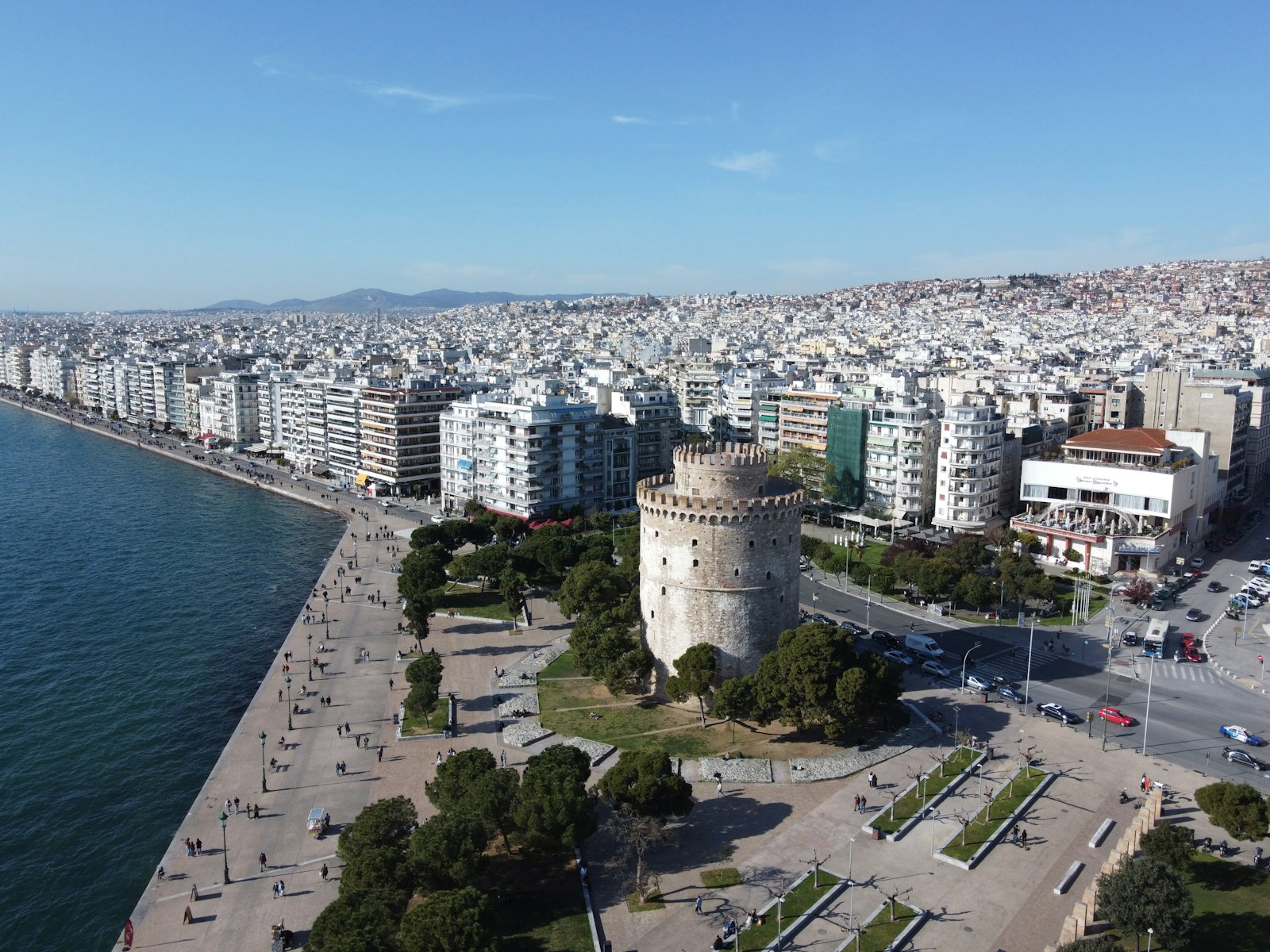
Athens gets all the digital-nomad-in-Greece coverage. Thessaloniki — Greece's second city, population 800,000, on the Thermaic Gulf — is where many of the locals actually prefer to live. It's flatter, more walkable, dramatically cheaper than Athens, has the country's best food scene by most informed accounts, and offers the same EU access and same digital nomad visa pathway. Bonus: the Greek nomad visa offers a 50% income tax reduction for 7 years for those who become tax residents — one of the most generous nomad tax breaks in the EU.

Weather

Mediterranean with continental influence — colder winters than Athens or coastal Greek islands. Summer (Jun–Aug) hot and dry, 28–34°C, occasional heat waves over 38°C. Winter (Dec–Feb) cool, 5–12°C, occasional snow (rare but it happens). Spring and autumn are the standout months — 18–24°C, the city's café terraces are full.

Air quality

Moderate. Thessaloniki has had occasional winter PM2.5 spikes due to residential heating (some illegal wood-burning) and traffic. AQI 60–120 in winter is common. Summer is cleaner. Worse than Lisbon, better than Athens.

Pollen

Mediterranean profile — olive (May–Jun), plane trees, cypress. Standard for the region.

WiFi

Solid. Cosmote and Nova fiber deliver 200–1000 Mbps in central neighborhoods at €30–€40/month. Café WiFi is generally good — Thessaloniki's coffee-and-laptop culture is legitimately strong, possibly the best in Greece. Coworking is growing — Coho Cowork, OK!Thess, and Switch.

Cost of living

$1,500–$2,200/month for comfortable. 1BR in central neighborhoods (Ano Poli, Kalamaria, Ladadika): €500–€800/month. Souvlaki for €3, full meze-and-wine dinner for €20–€30. Coworking €120–€200/month. 30–40% cheaper than Athens across the board.

Neighborhoods

Ano Poli (Upper Town) for the old-Ottoman charm, hill views, narrow streets. Ladadika for the historic warehouse-district nightlife and design hotels. Kalamaria for the upscale residential, seaside promenade. Aristotelous and the waterfront promenade for the cosmopolitan center. Toumba for cheaper-and-local.

Food

This is the case for Thessaloniki. Greek-Macedonian cuisine is more diverse and more eastern-influenced than Athenian Greek food — heavier on bougatsa (custard or cheese pastry), koulouri (sesame bread rings), trigona panoramatos (cream-filled phyllo triangles), and a sephardic-Jewish legacy in dishes like boyos and tahini-based sweets. Bougatsa for breakfast is essentially civic identity. The wine scene (Macedonian xinomavro is one of Greece's serious reds) is excellent.

Visa

Greece Digital Nomad Visa: 1 year initial, extendable to 2 years total, then convertible to a 2-year residence permit. Income requirement: €3,500/month (200% of Greek minimum wage), or savings equivalent. Key tax feature: if you become a Greek tax resident, you get a 50% reduction on Greek income tax for 7 years (with conditions — formally transfer tax residence, meet legal criteria). Greece is in Schengen, citizenship pathway is 7 years.

Community

Smaller than Athens but more cohesive — measured in low hundreds rather than thousands. Strong international student presence (Aristotle University is one of Greece's largest), which keeps the city younger than its demographics suggest. Café meetups are the dominant social mode; the city has the highest café density per capita in Greece.

The catch

Bureaucracy is real (Greek bureaucracy maintains its reputation honestly). Winter is genuinely colder than people expect — apartments often have older heating, electricity bills spike. Earthquakes are an ever-present low-probability risk. And Thessaloniki has occasional political-protest periods that close central streets — usually peaceful, but worth knowing.

Sources & methodology: editorial built on 2026 data from MDEC and SDEC (Malaysia/Sarawak DE Rantau programs), Japan ISA, Talent Taiwan / BOCA, South Korea Ministry of Justice, Romania Law 22/2022, Uruguay Ministry of the Interior, Rwanda Directorate General of Immigration, Montenegro MUP, Mexico INM, and Greek Ministry of Migration. Cost figures in USD or EUR as noted, current to Q2 2026.