Editorial · 2026

The Top 10 Cities Nomads Actually Keep Coming Back To

What we measured in each: weather & seasonal traps · air quality & pollen · WiFi · cost of living · neighborhoods · food · visa · community · the catch

01

Lisbon, Portugal

The unofficial capital of European remote work — and now it knows it.

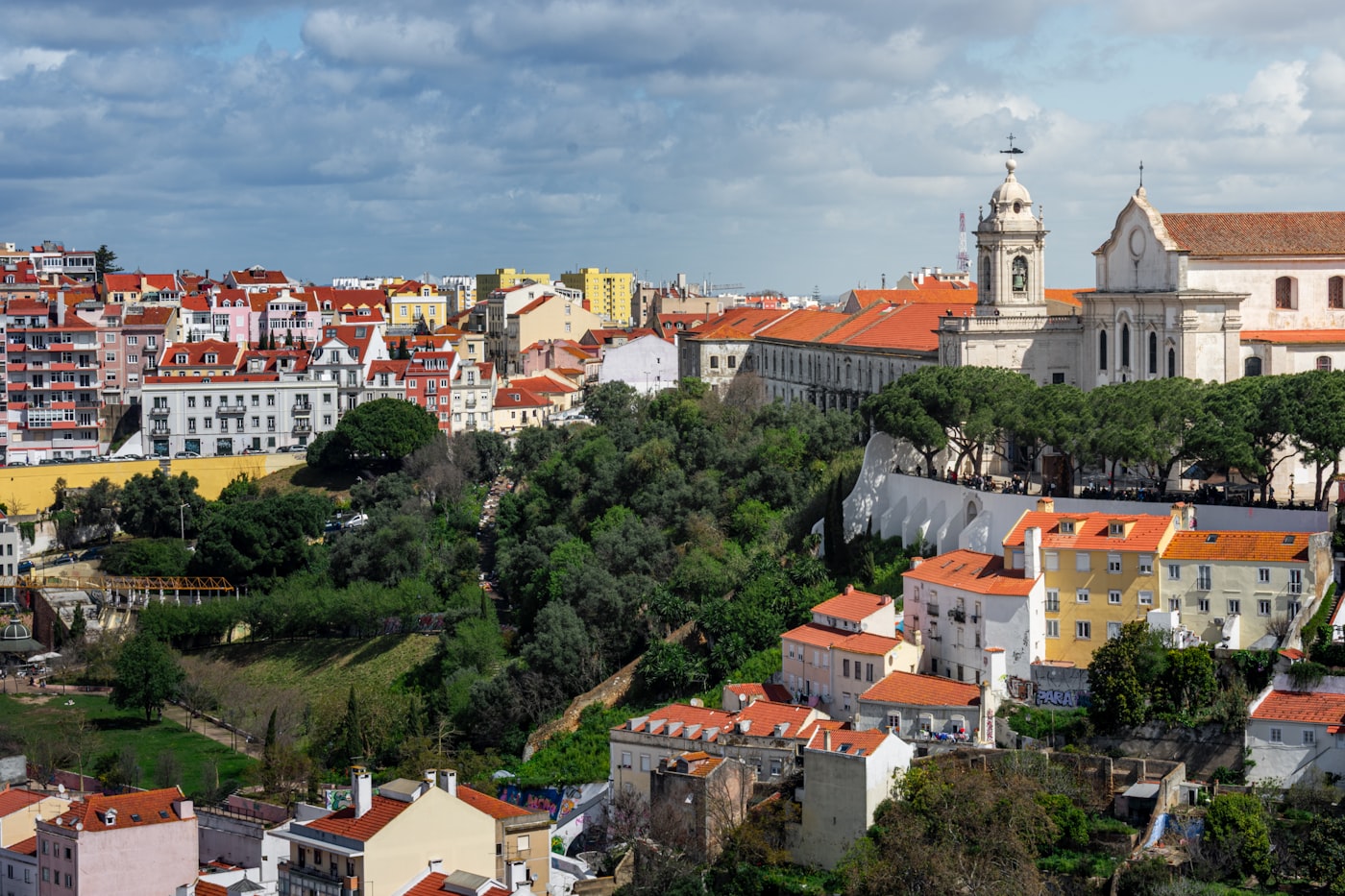
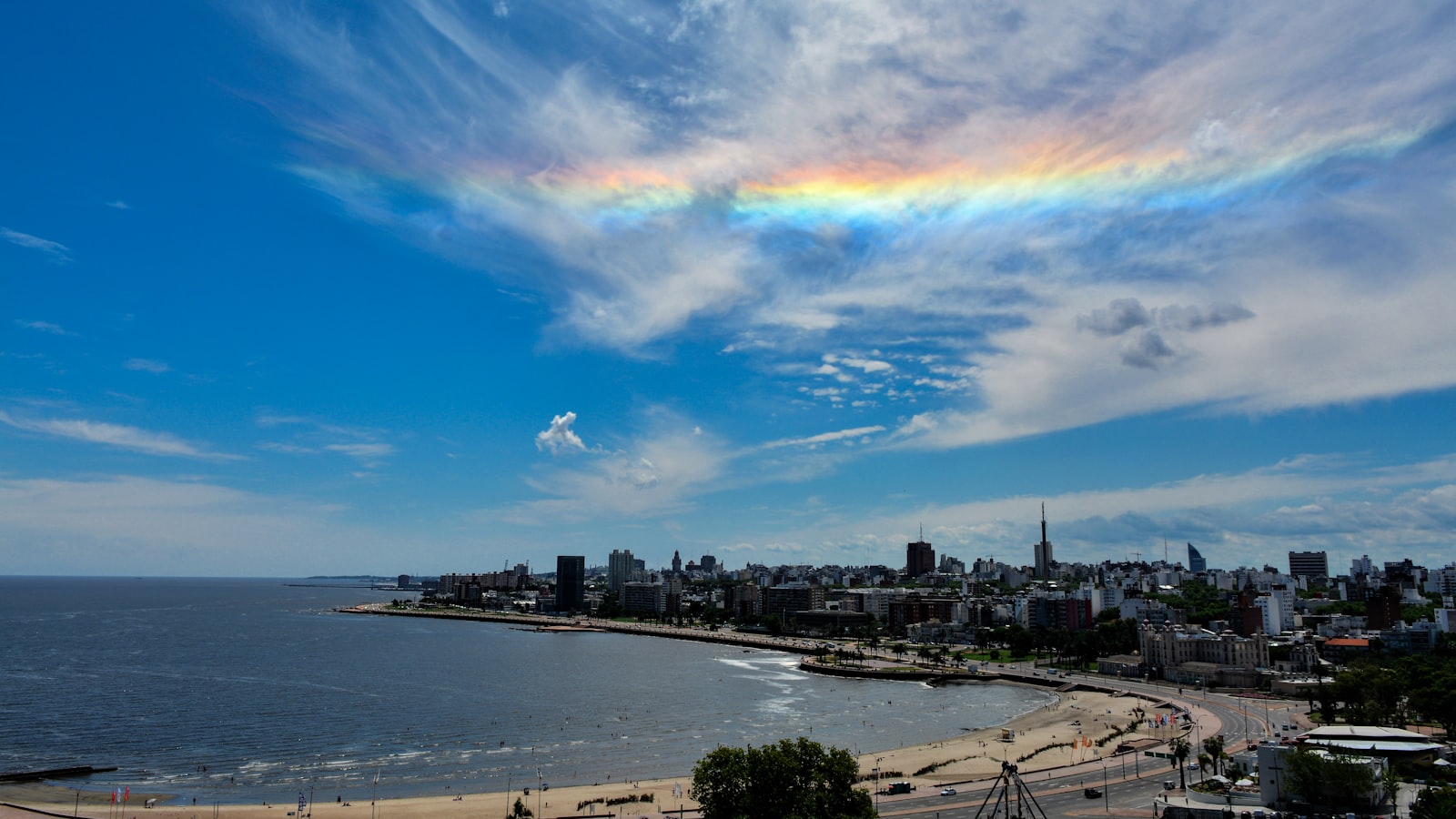
Lisbon, Portugal — nomad city

Lisbon has been the consensus #1 European nomad city for three years running, and the city has both benefited and suffered for it. The infrastructure is excellent, the community is the deepest in Europe, and the Atlantic light at 6pm in October genuinely changes how you think about work. But the rent line has moved — Lisbon is no longer cheap by any honest definition, and that's the first thing returning nomads notice.

Weather. Mediterranean-Atlantic hybrid. Summers run 25–32°C and dry, winters mild and damp (10–16°C, rain mostly Nov–Feb). Spring and autumn are the standout months — the *suave* shoulder season that does most of the postcard work. Pollen tends to peak Mar–May (olive, grass, plane trees lining every avenue); minor for most, brutal if you're sensitive.

Air & water. Genuinely good. Coastal wind clears the city most days, AQI rarely concerning. Tap water is potable everywhere — drinkable, but tastes a bit chlorinated; most nomads filter at home.

WiFi. Portugal has near-full 5G and gigabit coverage. Apartments routinely come with 200–1,000 Mbps fiber. Cafés are reliable — the catch is that some "remote work cafés" in Príncipe Real and Chiado have started enforcing one-coffee-per-90-minutes rules to push nomads toward coworkings. Coworking memberships run €200–€350/month (Second Home, Heden, Cowork Central).

Cost of living. This is where the 2022 vibe ends. 1BR in central neighborhoods (Baixa, Chiado, Príncipe Real): €1,200–€1,800/month. Suburbs (Benfica, Alvalade): €900–€1,200. A comfortable monthly budget all-in: €2,200–€3,200. Lunch *prato do dia* still holds at €8–€12 including drink and coffee — the lunch menu is the single best value in the city.

Neighborhoods. Príncipe Real for café culture and walkability, Alfama for charm and impossibly steep streets, Marvila for warehouse-converted creative scene, Cascais for ocean-and-train-line balance. Skip Bairro Alto if you sleep with the window open.

Food. Bacalhau in roughly 1,000 forms, the world's best canned fish (yes, really), and pastel de nata that ruins all other pastry. Portuguese wine punches three weight classes above its price. The catch: dinner service starts late, and Sunday afternoon shuts down hard.

Visa. D8 Digital Nomad Visa: €3,680/month minimum income (4× minimum wage), 1-year or 5-year residency tracks. NHR tax regime ended in 2024 for new applicants — IFICI replaces it, but with a much narrower professional scope. Plan accordingly.

Community. Largest expat scene in Europe, easy to plug in. Weekly meetups in Príncipe Real, coliving spaces in Marvila, a saturated Slack/Telegram landscape. Return rate (per Voronoi's 2025 study): 24% — the highest in the world.

The catch. You'll meet a lot of other nomads and not many Portuguese. Housing shortage is real, and the "I'll find a place when I get there" plan fails about 40% of the time these days. Book ahead.

02

Chiang Mai, Thailand

The OG nomad city. Still the best value on Earth — for nine months of the year.

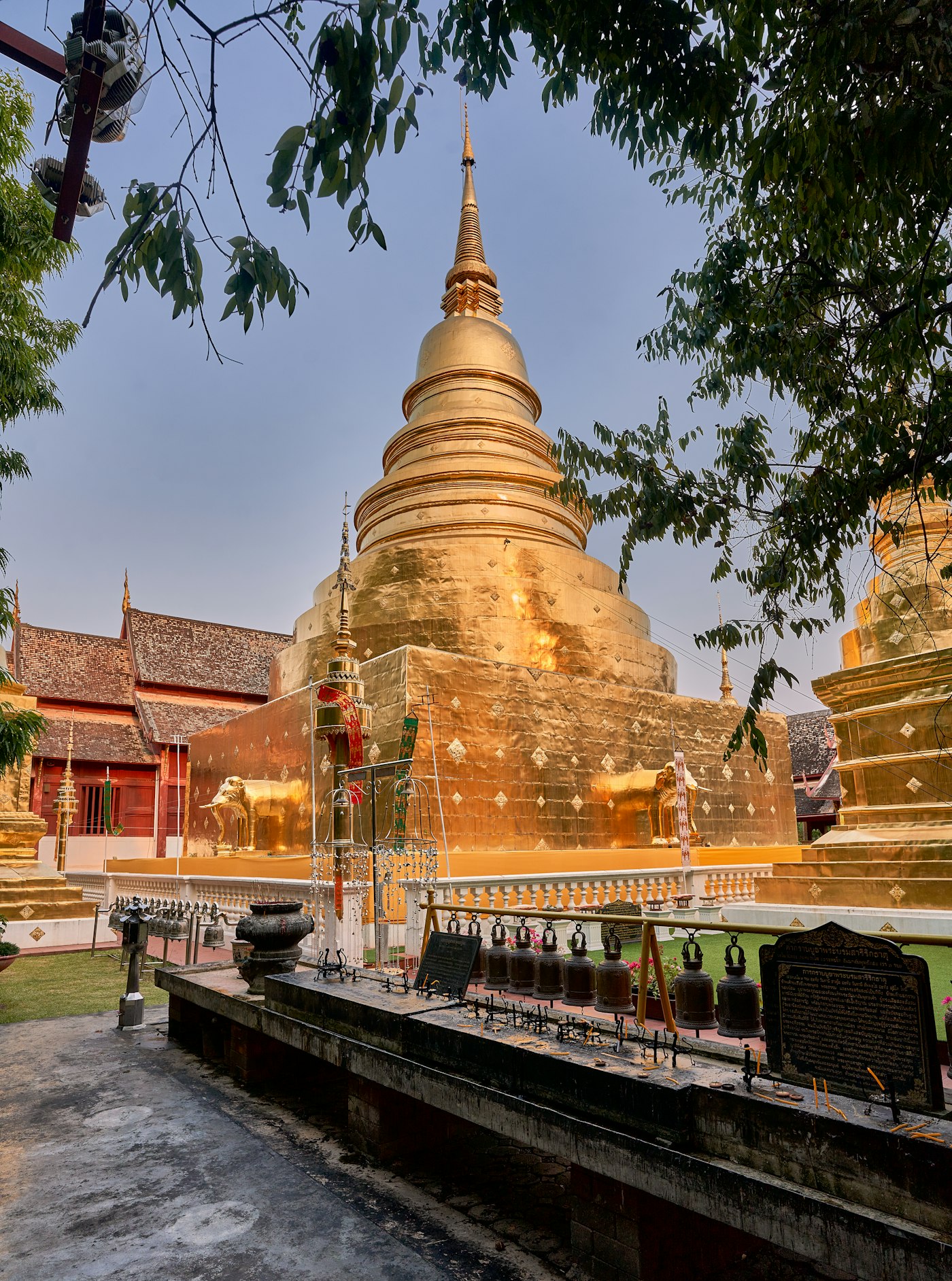
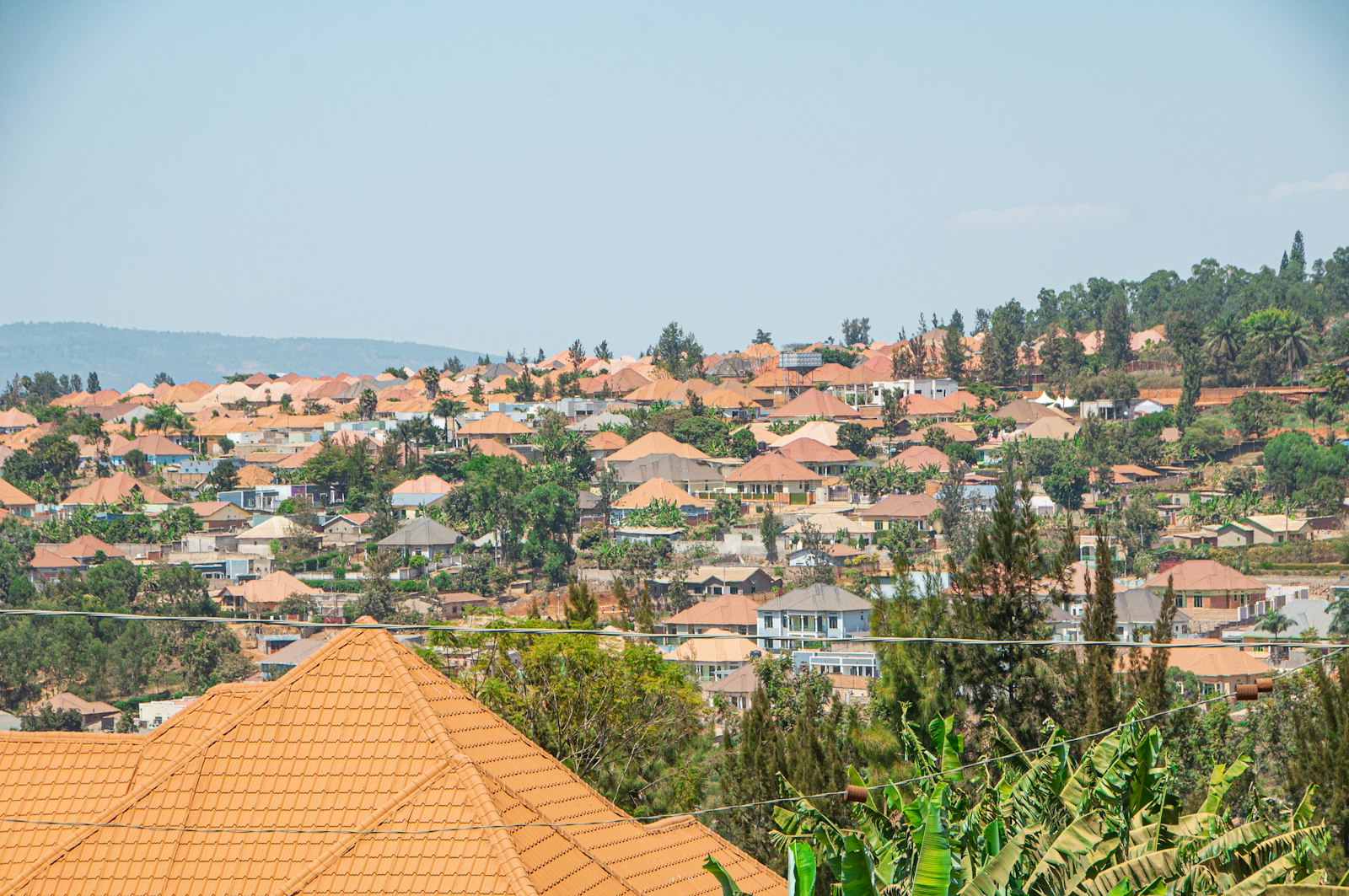
Chiang Mai, Thailand — nomad city

Chiang Mai is the city that taught the rest of the world what a digital nomad hub looks like. Cafés with desk-friendly seating predate the term itself. The infrastructure is dialed, the community is multi-generational, and your money goes further here than almost anywhere with real WiFi. The asterisk is large, recurring, and increasingly hard to ignore: burning season.

Weather. Three seasons. Cool/dry (Nov–Feb) is paradise — 18–28°C, clear skies, lantern festivals. Hot (Mar–May) regularly clears 35°C, with April topping 40°C. Rainy (Jun–Oct) brings ~1 hour of strong daily rain, lush rice fields, and the lowest prices.

Air quality — the real story. Feb through April is the *smoky season* (locals don't call it "burning season" by accident). Agricultural burning across Northern Thailand, Laos, Myanmar, and Cambodia pumps PM2.5 to globally hazardous levels. In March 2026, Chiang Mai topped IQAir's global pollution index multiple times, hitting AQI 263 with PM2.5 readings at 188 µg/m³ — that's roughly 12× the WHO safe daily limit. Many resident nomads now keep a Phuket or Koh Lanta booking on standby for those weeks. If you have asthma, allergies, or pregnancy, don't plan a Chiang Mai trip between mid-February and mid-April.

Pollen. Minor compared to the smoke. Tropical flora doesn't produce wind-pollinated allergens at temperate-zone levels.

WiFi. Excellent. Fiber to almost every apartment, 200–500 Mbps standard, $15/month. Cafés in Nimman and Old City average 50–150 Mbps; coworking memberships run $80–$150/month (Punspace, CAMP, Yellow). Power outages rare; surge protection still smart during storms.

Cost of living. $1,000–$1,500/month is the comfortable solo budget. Studio apartment: $250–$500. Coworking: $100. Eating out three meals a day at local prices: $250–$400. Pad krapow gai for $1.50 will spoil you for life.

Neighborhoods. Nimmanhaemin ("Nimman") is the nomad ground zero — cafés, coworking, gyms, every other resident on a laptop. Old City for charm, low traffic, walkable temples. Santitham for cheaper rent and a more local feel. Hang Dong / Mae Rim for nature-adjacent suburbs.

Food. Northern Thai cuisine is its own thing — khao soi, sai oua sausage, nam prik dips. Markets like Warorot and the Saturday/Sunday Walking Streets are essential. The vegan/vegetarian scene is one of the best in Asia.

Visa. Most nationalities get 30 days visa-free, extendable +30 at immigration. Thailand's Destination Thailand Visa (DTV), launched 2024, is the real game-changer for nomads: 5-year multi-entry, 180-day stays per entry, ~$300 fee, 500,000 THB (~$14,000) bank statement requirement.

Community. Multi-generational. Some nomads have been here a decade. Strong Facebook groups, weekly meetups at Punspace, an active wellness/yoga scene, motorcycle culture, and a creative class that runs deep.

The catch. Burning season. Walkability outside Old City is poor — you'll need a scooter. English proficiency is moderate. And the "I came for two weeks and stayed two years" trope is real to the point of becoming a soft career risk.

03

Mexico City, Mexico

The most complete nomad base in the Americas. Also the most contested.

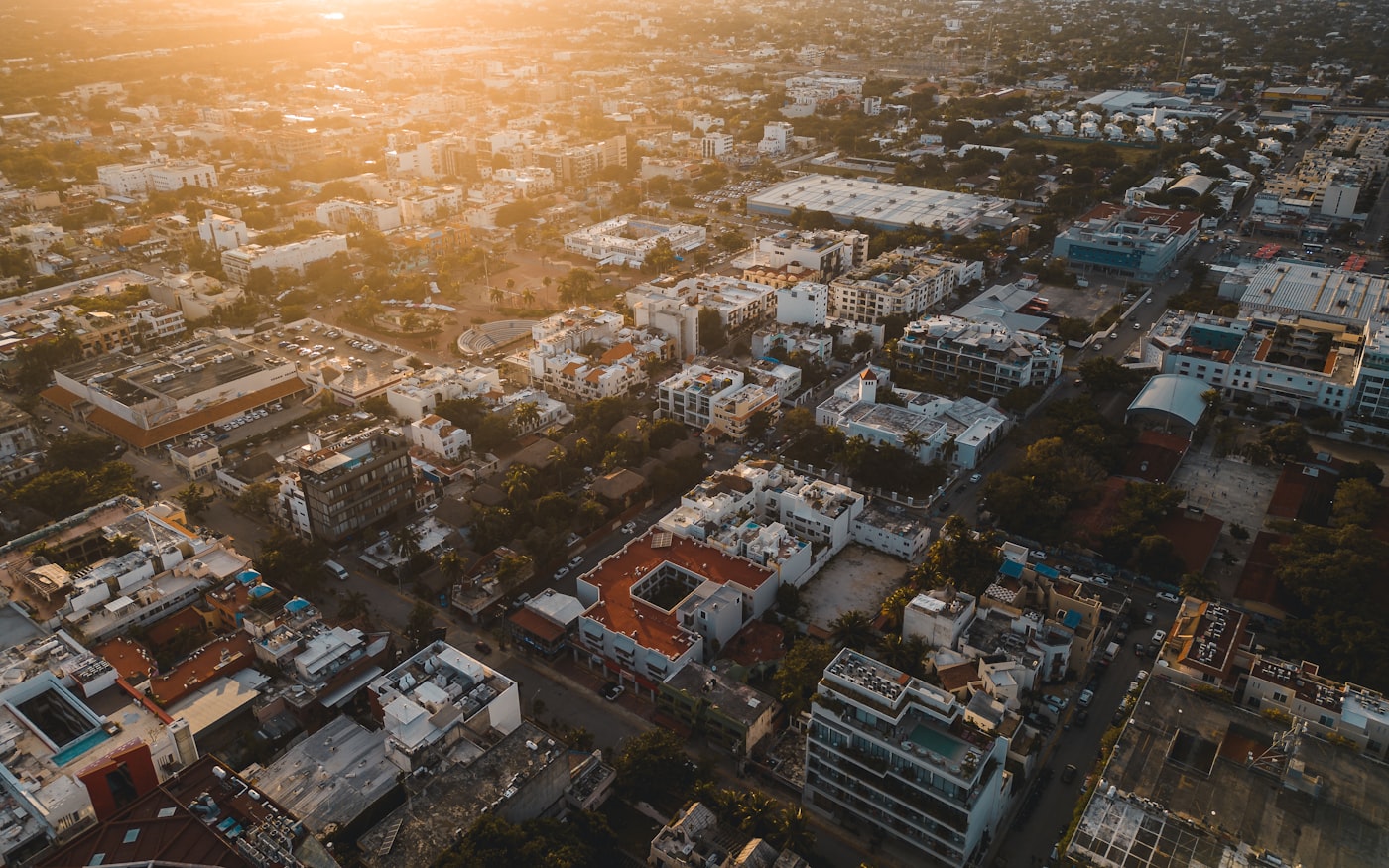
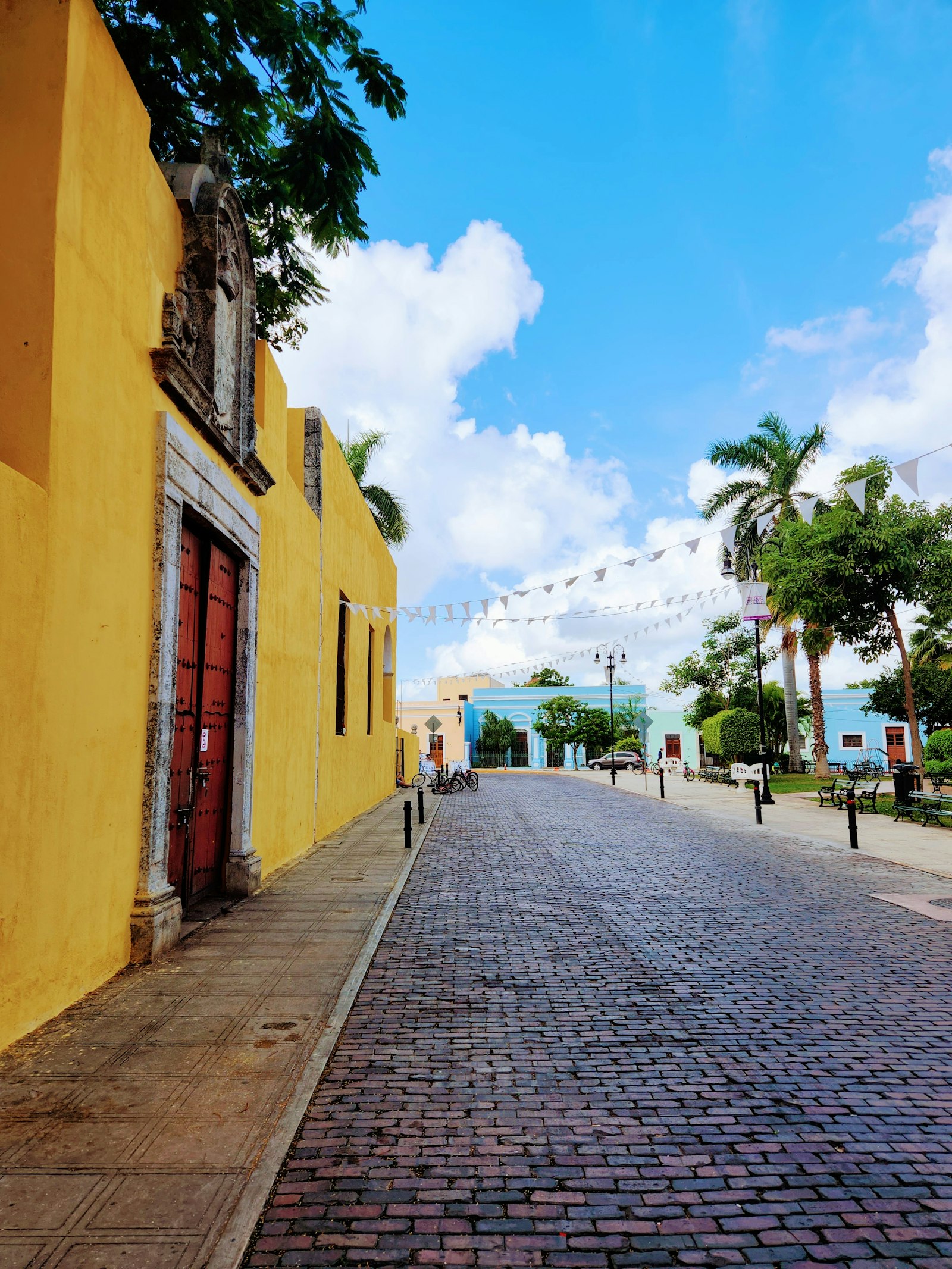
Mexico City, Mexico — nomad city

CDMX shouldn't work as a nomad city. It's 22 million people, sits at 2,240m altitude in a basin that traps pollution, and is so vast you can spend an hour in traffic without leaving your neighborhood. But once you're inside Roma Norte or Condesa, the city compresses into something the size of a small European capital — and one with arguably the best food on the planet, US-aligned time zones, and a creative energy that few cities match.

Weather. Mild year-round at altitude — 12–25°C most months, almost never humid, sun nearly every day. Rainy season (May–Oct) means a heavy late-afternoon storm, then clear evenings. Winter mornings dip to 5–8°C; most apartments lack heating, so layer indoors.

Altitude. Real. Expect 1–3 days of headaches, mild breathlessness, and disturbed sleep on arrival. Schedule light work in week one, hydrate aggressively, skip the mezcal until day three. People with serious cardiac or respiratory conditions should consult a doctor before booking.

Air & pollen. This is the weak point. IQAir data places CDMX PM2.5 at 2.3× the WHO annual standard. February–May is worst (dry season + surrounding agricultural burns). Nomads with asthma report respiratory irritation; an air purifier in your rental is a legitimate line item. Pollen counts spike Mar–May (jacaranda everywhere is beautiful but allergenic).

WiFi. Fiber broadband hits 200 Mbps in Roma Norte apartments. Coworking standard is 100+ Mbps. Cafés are laptop-friendly and reliable — Terra Café, Cardinal, Blend Station are well-known nomad anchors. Backup hotspot recommended; outages are infrequent but not unheard of.

Cost of living. Not the bargain it was in 2020 — Roma Norte rents have climbed 40–60% since the nomad wave. A 1BR long-term lease: $900–$1,200/month in Roma Norte, $1,000–$1,300 in Condesa, $700–$900 in Juárez. Comfortable monthly all-in: $1,500–$2,500. Tacos al pastor still $1–$2.

Neighborhoods. Roma Norte is the default — densely walkable, most cafés, most coworking, most nomads, highest gentrification tension. Condesa is the calmer twin, anchored by Parque México. Juárez is 10–20% cheaper, 20-minute walk away. Polanco is upscale, business-grade infrastructure, less character.

Food. Arguably the best food city in the Americas. Street tacos to Pujol to a corrientazo lunch counter that beats most Michelin starters. The market scene (Mercado de Medellín, Mercado Roma) is essential.

Visa. 180-day tourist permit on arrival for most Western nationalities — among the most generous in the world. Temporary resident visa available for longer stays (~$2,600/month income or $43,000 savings proof).

Community. Huge. The largest nomad community in Latin America, with a real local creative scene to plug into if you speak Spanish. Time zone aligned with Chicago / Central US — the killer feature for North American remote workers.

The catch. Noise pollution is genuinely punishing — street vendors, music, construction, dogs. Earplugs are essential. Tap water isn't potable. Post-2025 anti-gentrification protests have made some neighborhoods less welcoming to visibly foreign workers; keep a low profile, learn Spanish, tip well.

04

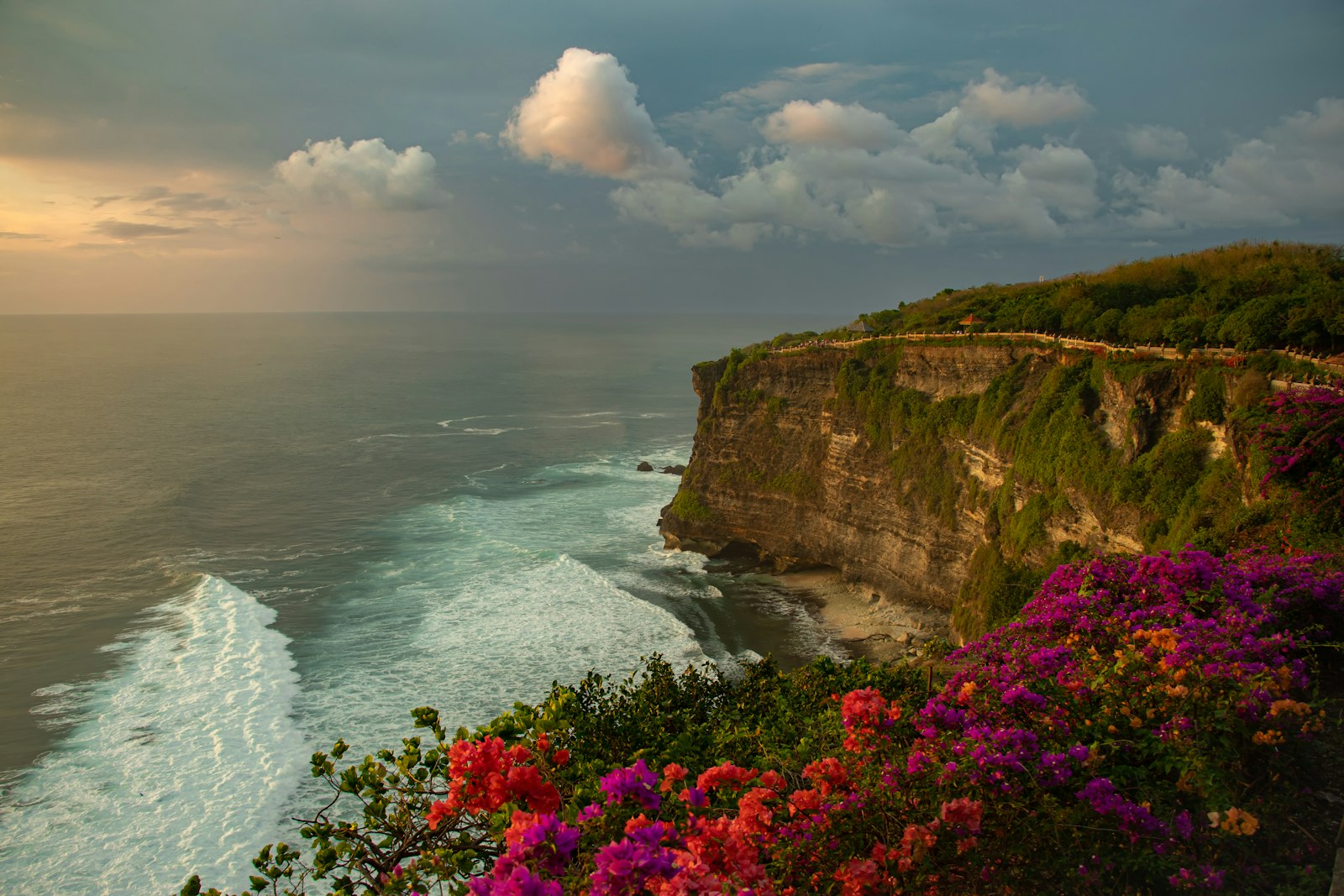
Canggu (Bali), Indonesia

The Instagram capital of the nomad world — and yes, it still works.

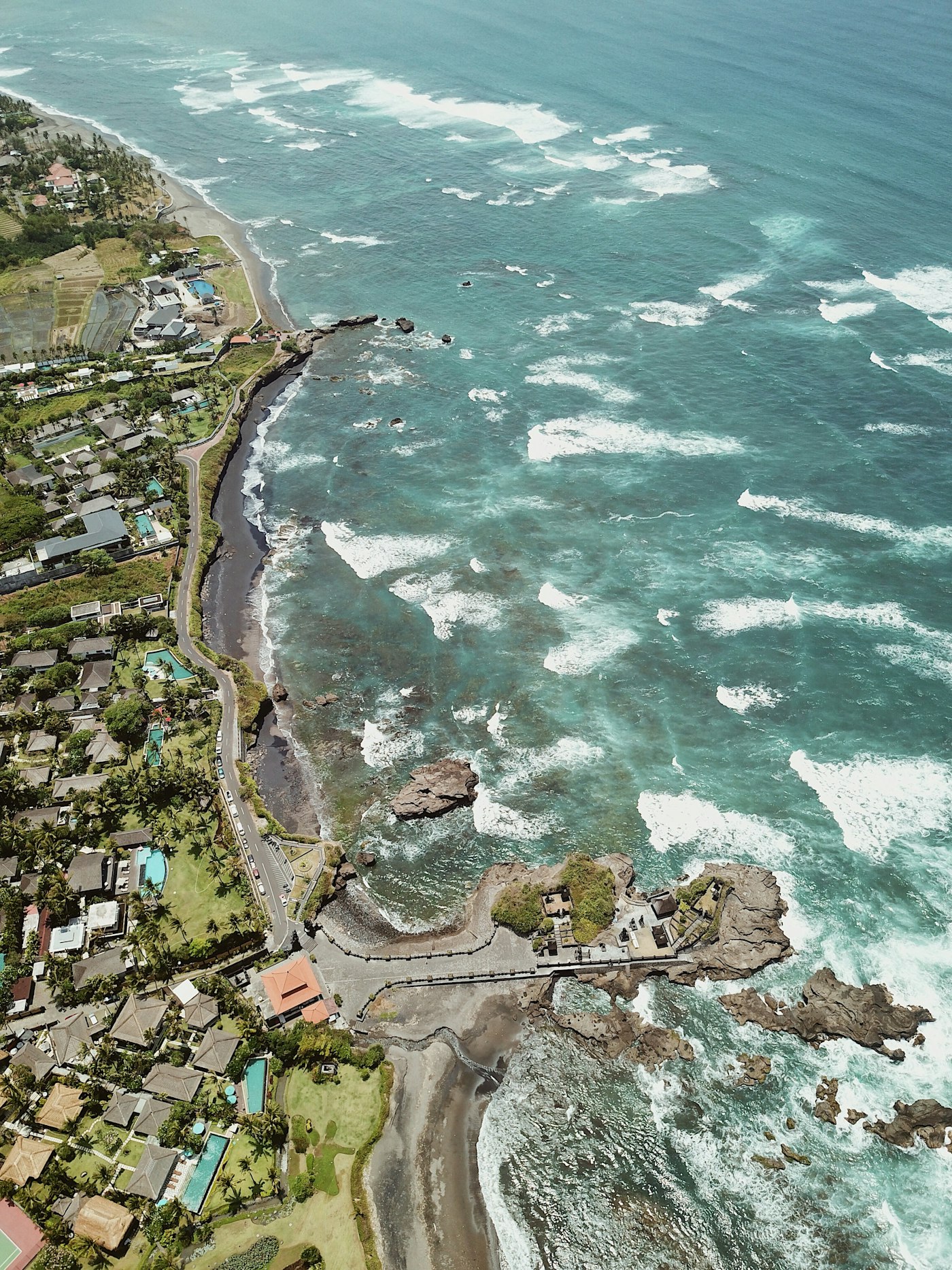
Canggu (Bali), Indonesia — nomad city

Canggu earned its reputation honestly: surf at sunrise, café-hop until 11am, work in a coworking space with rice-paddy views, beach club at sunset, repeat. The catch is everyone showed up. The infrastructure has mostly kept pace — but traffic, rent, and the general "scene-iness" have all climbed to the point where many veteran nomads now point east, to Ubud, or south, to Uluwatu.

Weather. Tropical, two seasons. Dry season (Apr–Oct) is the magic window: 25–31°C, low humidity, blue skies. Wet season (Nov–Mar) brings dramatic afternoon storms, leech-level humidity, and beach erosion. Dengue risk is real year-round but peaks in wet season — keep DEET handy.

Air & pollen. Generally good in Canggu thanks to sea breeze, though scooter exhaust is a real factor on Jalan Pantai Berawa during rush hour. Tropical pollen profile — minor for most temperate-zone allergy sufferers.

WiFi. Better than reputation suggests. Fiber connections of 50–100 Mbps available; villas with reliable wifi are abundant. Coworking spaces (Tropical Nomad, Outpost, BWork) provide 200+ Mbps. Average island data speed: ~43 Mbps. Starlink coverage is now common in villas with weaker infrastructure. Power cuts ("mati lampu") happen — every coworking has backup.

Cost of living. $1,200–$2,000/month for a comfortable lifestyle. Villa with pool: $700–$1,500/month. Coworking: $150–$250. Eating out at warungs: $2–$4 per meal; Western cafés $6–$12. The catch: Canggu prices keep climbing — what cost $800/month in 2021 is $1,400 now.

Neighborhoods. Berawa for the scene and the beach clubs. Pererenan, just north, is the new "what Canggu was five years ago." Echo Beach for surf-focused. Ubud (1 hour inland) for focus, wellness, jungle. Uluwatu for cliffs and a quieter premium scene. Sanur for a more livable long-stay rhythm.

Food. Indonesian warung food (nasi campur, gado-gado, soto ayam) is excellent and cheap. The Western café scene is genuinely world-class — Crate, Penny Lane, Milk & Madu. Vegan-friendly to a fault.

Visa. B211A social visa: 60 days extendable to 180 total, $200–$300 via agent. E33G Remote Worker KITAS (launched 2024): 1-year stays, requires $60,000+ annual income proof. Second Home Visa for the wealthy ($130K+ in Indonesian assets).

Community. Massive. Tropical Nomad and Outpost run constant events, the wellness scene is dense, the founder/creator gravity is real. Female nomads particularly well-served by community here.

The catch. Traffic is the dealbreaker for many — what should be a 15-minute scooter ride takes 45 in dry season. Plastic waste on beaches in wet season is sobering. The "manifest your dream" energy can grate. And it is illegal to work on a tourist visa — enforcement tightened materially in 2025.

05

Barcelona, Spain

The lifestyle package — if you can afford it and find an apartment.

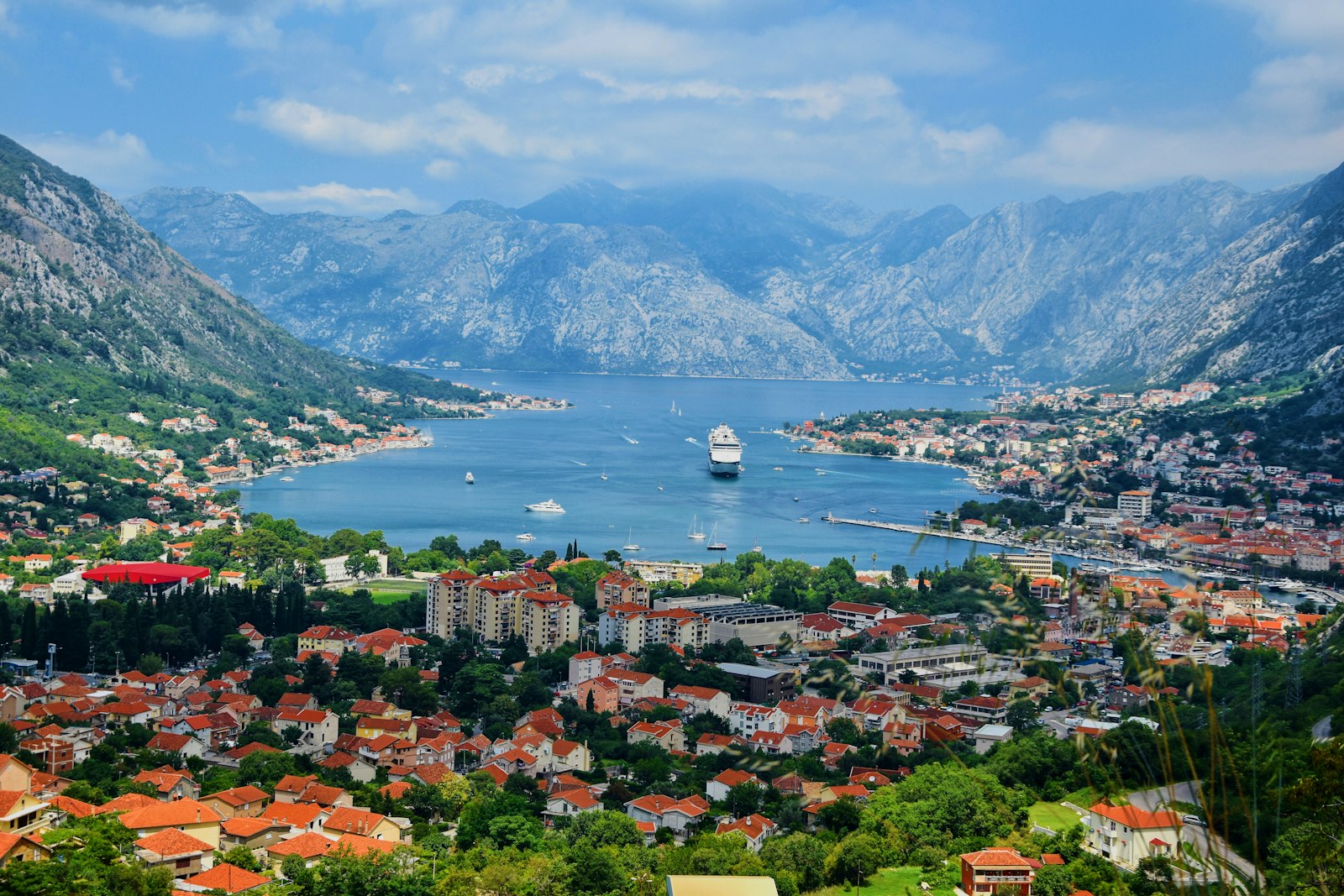
Barcelona, Spain — nomad city

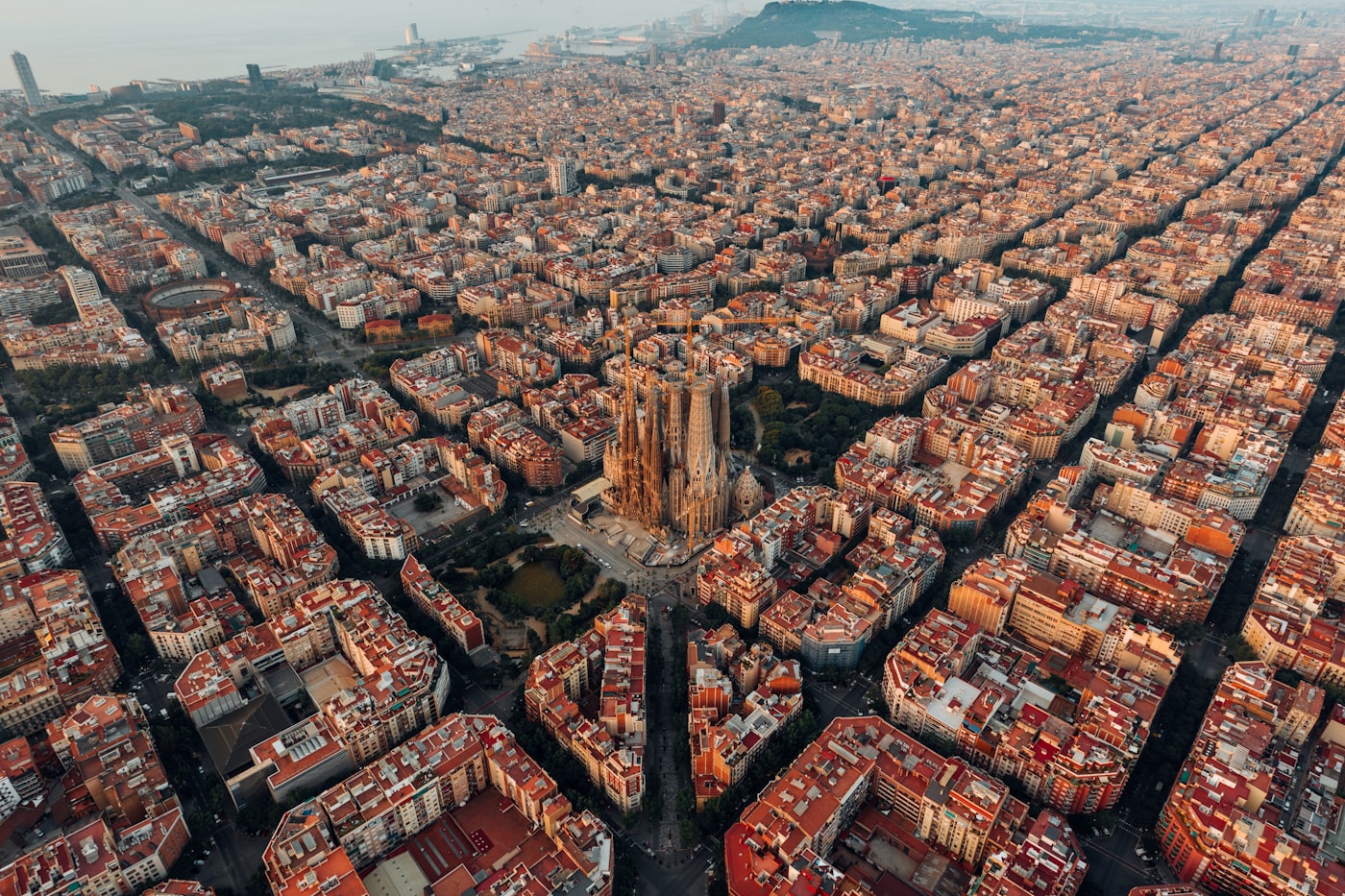
Barcelona is what happens when you cross Mediterranean weather, gothic-modernista architecture, world-class food, a beach, mountains in the back, and a tech ecosystem that's grown teeth in the past five years. It's the most lifestyle-dense city in this list. The trade-offs are real: it's the most expensive city outside of Lisbon's central core, the housing market is brutal, and the city's relationship with mass tourism is, at best, ambivalent.

Weather. Genuinely four-season Mediterranean. Summers (Jun–Aug) hot and humid, 28–32°C, beach city in full swing. Winters mild and bright, 8–15°C, occasional rain. Spring and autumn are absurd — 18–24°C, low humidity, golden light. The "sea breeze" effect (terral / marinada) matters: morning humid, afternoon dry.

Air quality. Moderate. Better than Madrid, worse than Lisbon. PM2.5 occasionally exceeds WHO standards in winter due to vehicle emissions and the Pyrenees-effect inversions. Low Emission Zone has helped.

Pollen. Real factor. Plane trees (the city's signature plane-shaded streets) peak in March; olive and grass May–July. Sensitive nomads schedule accordingly.

WiFi. Excellent infrastructure. Gigabit fiber is standard. Coworkings are abundant and well-equipped — Meet BCN, Coworking Sant Antoni, and OneCoWork lead the pack at 800–1000 Mbps. Cafés vary — Gràcia and El Born have better laptop-friendly culture than the Gothic Quarter.

Cost of living. $2,500–$3,500/month for a comfortable life. 1BR in Eixample or Gràcia: €1,300–€1,800/month, often requiring 2–3 months' deposit and Spanish guarantor (avalista). Coworking €200–€350/month. Menú del día lunch holds at €12–€16.

Neighborhoods. Gràcia for plazas-and-cafés village feel within the city. Eixample for grand boulevards and central everything. El Born for tourist-adjacent but lively. Poblenou for the tech/22@ district and beach access. Sant Antoni is the current sweet spot — central, walkable, less touristy than Born.

Food. Catalan cuisine, vermut culture, the Boqueria, neighborhood markets in every district. The pintxo bars in El Born and the cava-and-anchovy spots in Gràcia are essential. Vegetarian/vegan scene strong.

Visa. Spain's Digital Nomad Visa: €2,762/month income (200% of Spanish minimum wage), 1-year initially, renewable up to 5. Tax wrinkle: Beckham Law reduced for nomads — 24% flat rate on Spanish-source income for first 6 years.

Community. Strong but more European than American. ITNIG, Tech Barcelona, weekly events. Catalan-Spanish cultural duality is something to navigate, not ignore.

The catch. Housing is brutal. Anti-tourist sentiment is real in some neighborhoods — the 2024 water-pistol protests were not theatre. Pickpocketing is genuinely the city's biggest petty-crime issue; don't put your phone on the café table.

06

Buenos Aires, Argentina

The most underrated nomad capital — for the next 18 months, anyway.

Buenos Aires, Argentina — nomad city

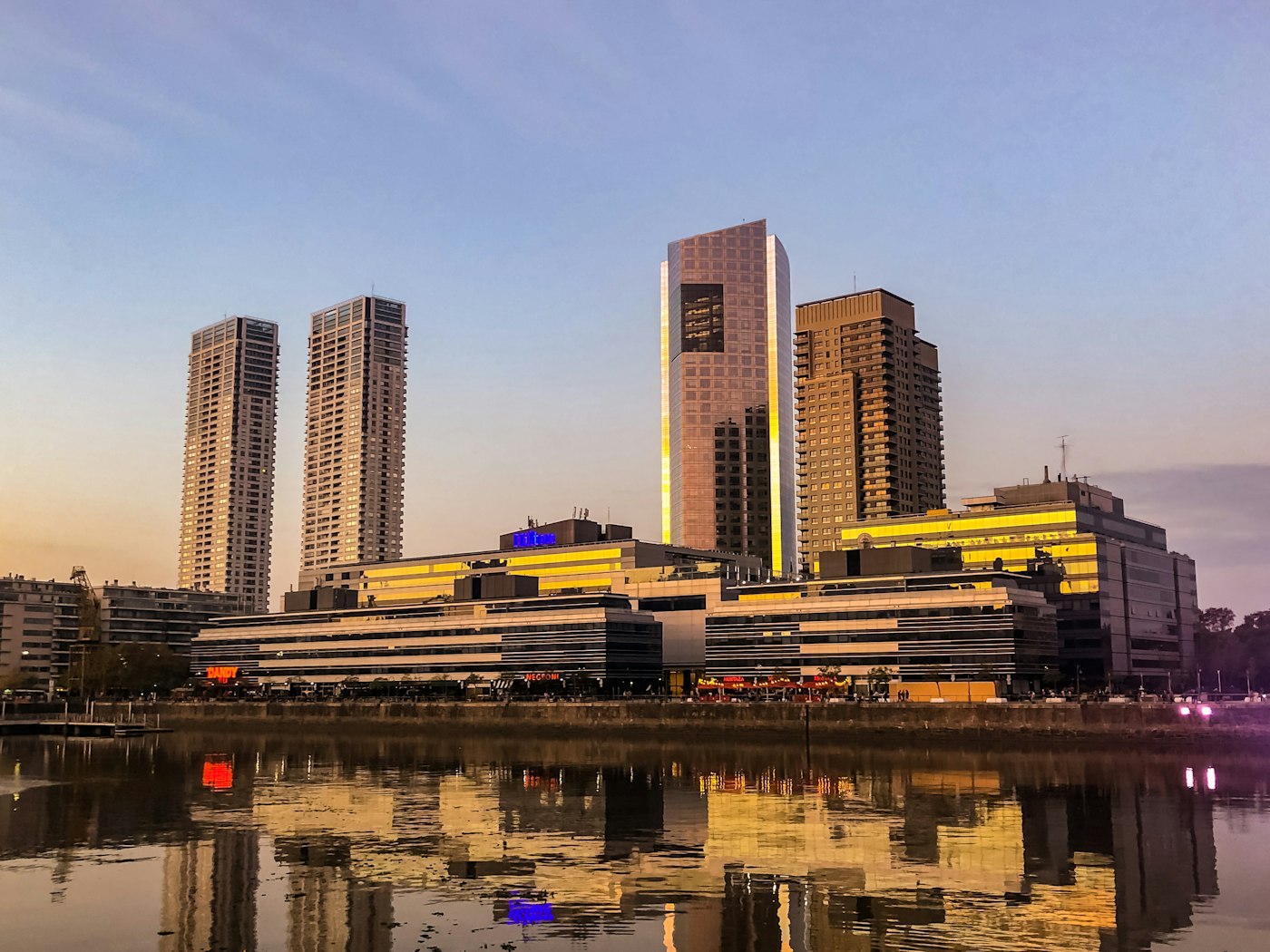
Argentina's economy has been a chaotic gift to nomads. With the dollar still strong against the peso (volatility notwithstanding), Buenos Aires is currently a major Western capital city at Southeast Asia prices. The architecture is European, the food is meat-first incredible, the late-night culture is unlike anywhere else on Earth, and the new Digital Nomad Visa (2024) finally gave the city the legal infrastructure to match its appetite.

Weather. Southern Hemisphere — flip your calendar. Summers (Dec–Feb) hot and humid, 25–33°C. Winters (Jun–Aug) cool but not cold, 8–15°C, rarely freezing. Autumn (Mar–May) is the standout: clear, mild, the famous Buenos Aires light.

Air & pollen. Air quality is generally moderate; the city sprawls on a flat plain that doesn't trap pollution badly. Spring pollen (Sep–Nov) is the main allergen story — plane trees again, plus pampas grasses on windy days.

WiFi. Better than Argentina's economic narrative suggests. Fiber widely deployed in Palermo, Recoleta, Belgrano — 100–300 Mbps standard. Coworkings (La Maquinita, Cluster, AreaTres) run 200–500 Mbps. Café culture is genuinely laptop-friendly — Felix Felicis, Lab, Negro all welcome long stays. Power grid less reliable; UPS on your modem is wise.

Cost of living. This is the headline number: $1,200–$2,200/month for a comfortable lifestyle. 1BR in Palermo: $600–$1,000/month. Steak dinner at a parrilla with wine: $20–$35. Coworking: $100–$200. Caveat: peso volatility means budgets shift month-to-month — most nomads keep USD in Western Union accounts and exchange weekly at the "blue dollar" rate.

Neighborhoods. Palermo Soho for nomad-default — cafés, bars, walkability. Palermo Hollywood for media scene and quieter streets. Recoleta for grand Parisian-style residential. San Telmo for tango and weekend antique markets. Belgrano for residential calm and Chinatown access.

Food. Argentine beef justifies the trip alone. Beyond the parrilla: Italian-influenced pasta, Buenos Aires-style pizza (thick, cheesy, unique), empanadas regional by province, dulce de leche in everything. Coffee culture is finally good (post-2018 wave). Mendoza-shipped wine for $5/bottle.

Visa. Digital Nomad Visa launched 2024: 6 months initial, renewable for 6 more, ~$200 fee, no formal income floor (proof of remote work + funds sufficient). Most US/EU/UK nationals also get 90-day tourist stamps that are easy to renew via border-run to Colonia, Uruguay.

Community. Growing fast. Smaller than Mexico City but more local-integrated. Spanish helps (Rioplatense Spanish is its own dialect — leísmo, *vos*, distinct intonation). Strong creative/founder scene, especially around fintech.

The catch. Economic chaos is real — inflation, peso instability, occasional ATM cash limits. Time zone (UTC-3) is brutal for Pacific-US clients, fine for Eastern US and Europe. Late-night culture is real — dinner at 10pm, clubs at 2am — productivity requires discipline.

07

Bangkok, Thailand

The big-city Asian base. Underrated in the nomad rankings, dominant in actual nomad presence.

Bangkok, Thailand — nomad city

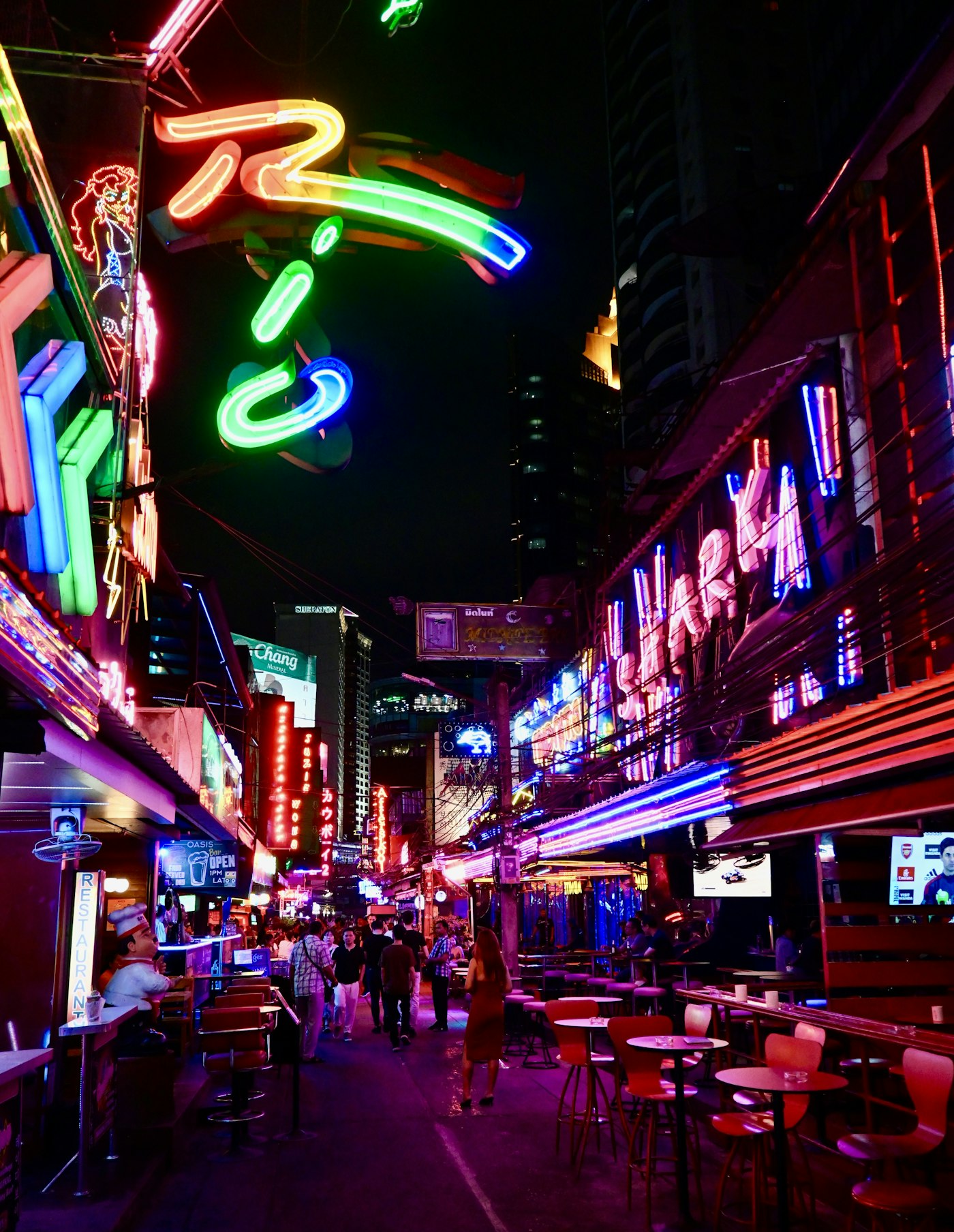
If Chiang Mai is the "small town with great cafés" archetype, Bangkok is the megacity with everything. Per Voronoi's 2025 ranking, Bangkok actually placed #1 globally for digital nomads — beating Lisbon on the metrics — and the numbers hold up when you live there: gigabit fiber everywhere, world-class hospitals, 24-hour everything, and an international airport that makes the rest of Asia a $40 flight away.

Weather. Tropical, sweaty, three-season. Cool (Nov–Feb) is the only genuinely pleasant stretch — 22–32°C, low humidity for the region. Hot (Mar–May) is punishing — 35–40°C with humidity. Rainy (Jun–Oct) brings monsoon storms, flooded sois, and slightly cooler highs.

Air quality. A real concern. PM2.5 spikes in cool/dry season (Dec–Feb) when temperature inversions trap traffic and agricultural emissions. AQI 100–180 is common in this window — not Chiang Mai-bad, but worse than most assume. Less severe than Chiang Mai's burning season but more sustained across the year.

WiFi. Among the best in Asia. Fiber to apartment is 500 Mbps–1 Gbps for $20–$30/month. Coworkings (The Hive, Hubba, Common Ground, JustCo) at 200–500 Mbps and $150–$300/month. Café WiFi is generally strong; Starbucks-equivalent saturation.

Cost of living. $1,500–$2,500/month for a comfortable solo lifestyle. Studio in Sukhumvit/Phra Khanong: $400–$700. Eating Thai street food: $3–$5/meal. Western restaurants and the cocktail bar scene drive monthly variance more than rent does.

Neighborhoods. Sukhumvit / Thonglor / Ekkamai for the cosmopolitan nomad corridor — BTS access, cafés, gyms, expats. Phra Khanong / On Nut for cheaper and more residential. Ari for hip local-meets-expat balance. Riverside (Charoenkrung) for the creative/design scene. Avoid Khao San Road unless you're 19.

Food. The reason many never leave. Street food, Michelin-starred street food, rooftop fine dining, regional Thai specialties from every province, and the best night markets in Asia. Vegan options have exploded post-2020.

Visa. Same as Chiang Mai — 30/60-day exempt entries plus the DTV (Destination Thailand Visa) for 5-year multi-entry stays. Bangkok-based applicants can do the in-country processing more smoothly than smaller cities.

Community. Less self-consciously "nomad" than Chiang Mai, more cosmopolitan-expat in feel. Co-living spaces, founder meetups, a creative scene around BACC and the Bang Rak district.

The catch. Heat is not a metaphor — you will sweat through three shirts a day from March to May. Traffic is legendary, but BTS/MRT make most nomad areas navigable without it. Air quality enforces indoor work some weeks of the year.

08

Da Nang, Vietnam

The quiet rising star. Beach, mountains, and a coastline that hasn't been spoiled yet.

Da Nang, Vietnam — nomad city

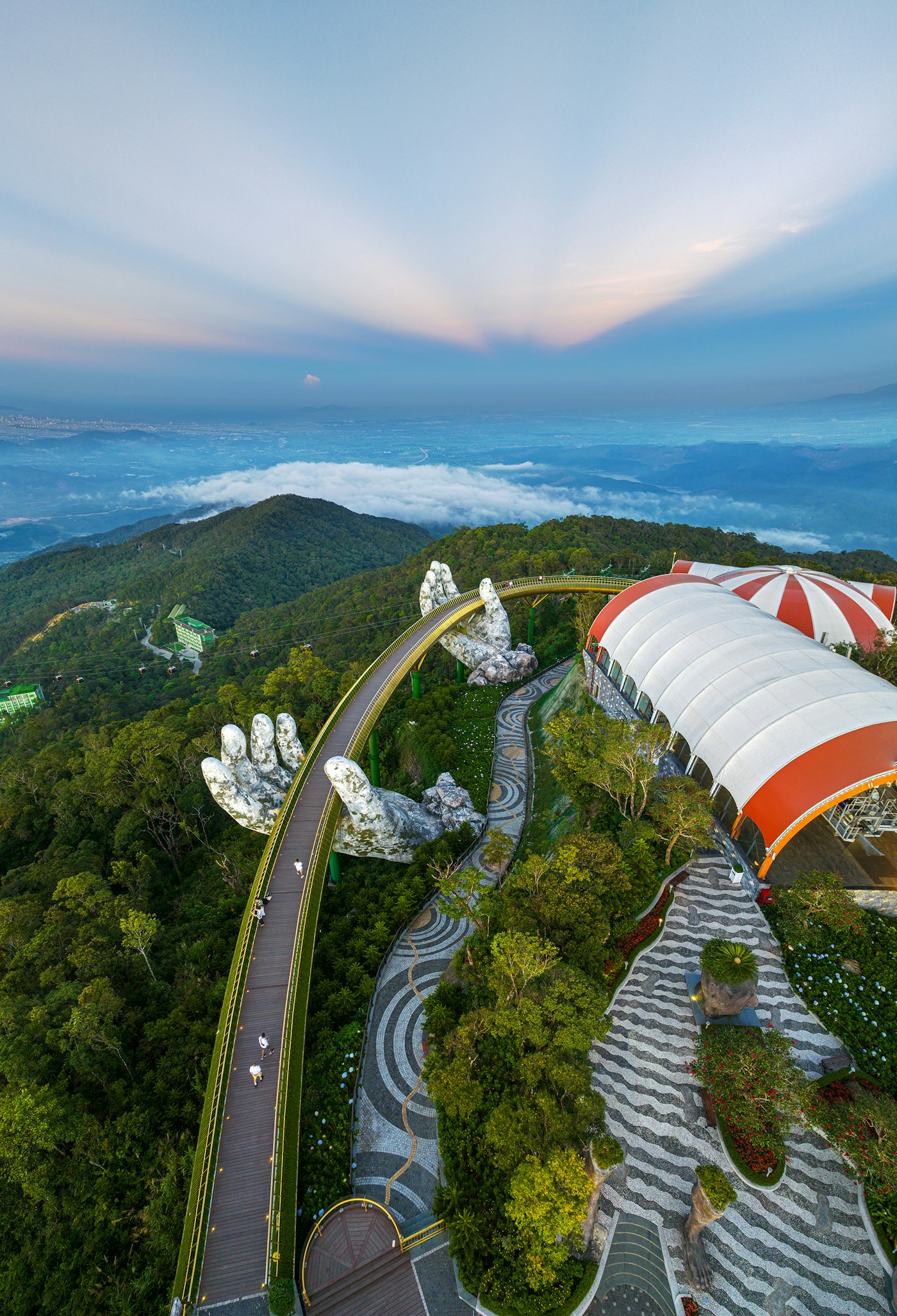
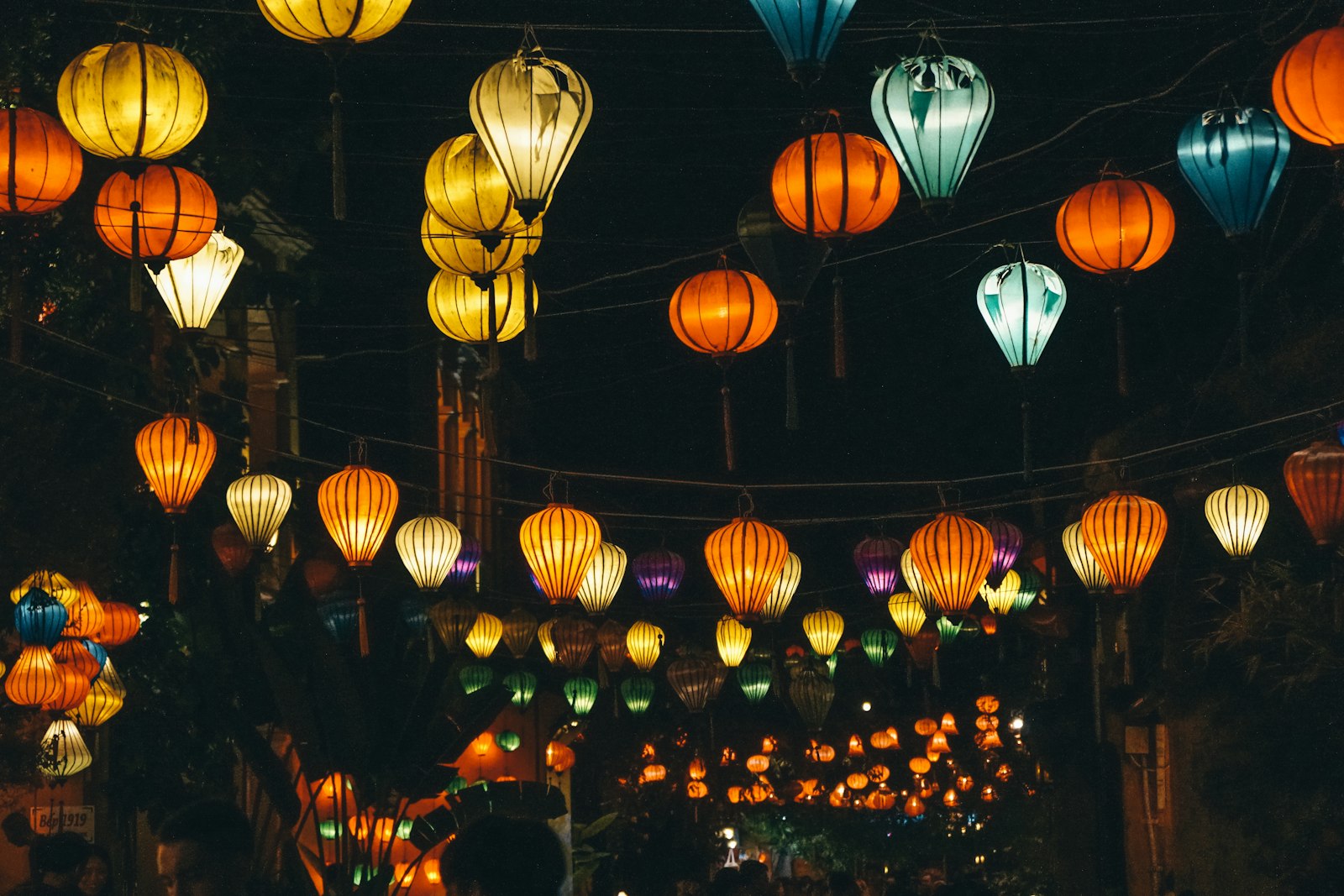
Vietnam's "third city" has been gathering nomad momentum for five years and finally has the infrastructure to absorb it. Da Nang is a coastal mid-size city with the Marble Mountains behind it, a 30km uninterrupted beach in front, and a price tag that makes Chiang Mai look ambitious. The cafés in An Thượng are genuinely excellent. The catch is that "official" nomad visa support remains thin — Vietnam plays a long game on legality, and most nomads operate in a tolerated gray zone.

Weather. Tropical with a twist — typhoon season (Sep–Nov) brings heavy rain and occasional storm warnings. Dry season (Feb–Aug) is the magic window: 25–35°C, blue skies, swimmable ocean. The brief winter (Dec–Jan) can drop to 18°C and feel cool by tropical standards.

Air & pollen. Among the cleanest air of any major Southeast Asian city — coastal location keeps it well-ventilated. Tropical pollen profile, low impact for most.

WiFi. Excellent and absurdly cheap. Fiber to apartment 100–300 Mbps for $8–$12/month. Coworkings (Surf Town, Enouvo, Hub Cowork) at 200+ Mbps and $80–$150/month. Café culture in An Thượng is on par with Chiang Mai — 43 Factory, Cong Caphe, Wonderlust all welcome long stays.

Cost of living. $900–$1,500/month for a comfortable lifestyle. Studio with sea-adjacent access: $300–$500. Vietnamese coffee for $1, banh mi for $1.50, pho for $2.50. This is the lowest sustainable cost-of-living in this list outside of Tbilisi.

Neighborhoods. An Thượng is the nomad hub — beach access, café-dense, walkable. My Khe Beach for direct beachfront living. Son Tra Peninsula for nature-adjacent quiet. The old city center across the Han River is more local and cheaper.

Food. Vietnamese central-coast cuisine is its own world — mi quang, banh xeo, bun cha ca, cao lau (technically from Hoi An, 30km south). Coffee culture is genuinely world-class (Vietnam is the world's #2 coffee producer). Seafood directly off the boat.

Visa. Vietnam is the legal weak spot. E-visa: 90-day single or multi-entry, $25–$50, valid for most nationalities. No dedicated nomad visa. Most long-stay nomads do quarterly visa runs to Bangkok or Phnom Penh.

Community. Smaller than Chiang Mai but tighter — easier to know everyone within a month. Strong founder/dev scene given Vietnam's tech outsourcing economy. Hoi An (45 min south) is the quieter coliving alternative.

The catch. English proficiency lower than Thailand. Visa runs every 90 days are a recurring annoyance. Typhoon season is real — book around it. Beach erosion is accelerating; the city has had to bring in offshore breakwaters.

09

Medellín, Colombia

The city of eternal spring. And one of the most complete nomad packages in Latin America.

Medellín, Colombia — nomad city

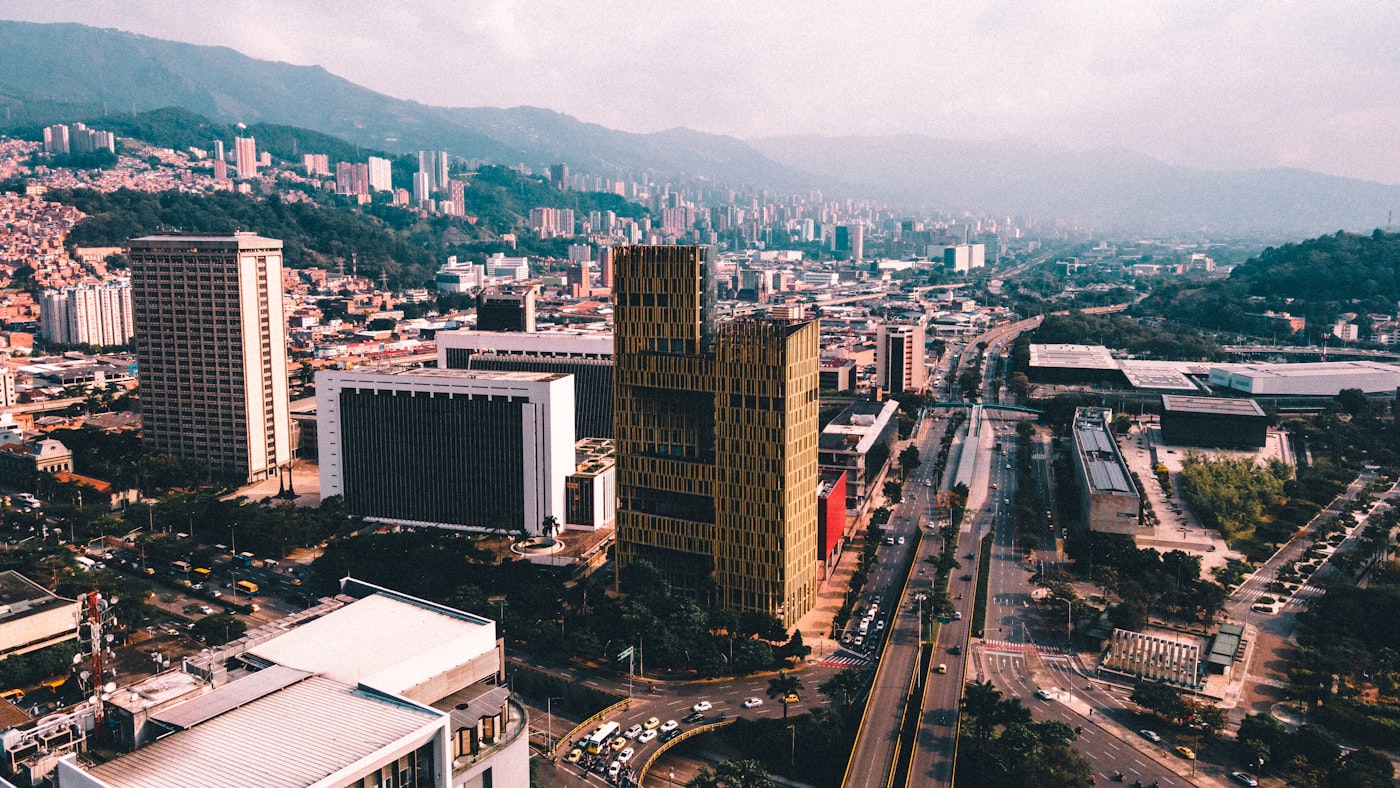
Medellín sits in the Aburrá Valley at 1,500m elevation — high enough for permanent 22°C weather, low enough that altitude isn't a factor. The city's transformation since the 1990s has been one of urbanism's great stories. For nomads, the math is straightforward: US Eastern time zone, the best year-round weather in this list, prices well below Mexico City, and a nomad community that has finally hit critical mass.

Weather. "City of Eternal Spring" is not marketing. 18–28°C every month of the year. Two "seasons" are wet (Apr–May, Sep–Nov, afternoon storms) and dry (Dec–Mar, Jun–Aug, clearer skies). No heating or A/C needed in any apartment. This is the single most pleasant climate in this list.

Air quality. The valley does trap pollution, particularly in March and October (transition months when air stagnates). Generally moderate but worse than coastal Latin American cities. PM2.5 typically 15–35 µg/m³.

Pollen. Low. Equatorial climate means continuous low-level pollen rather than seasonal spikes.

WiFi. Excellent. Movistar and Claro fiber widely deployed — 100–300 Mbps standard, up to 900 Mbps symmetric for ~$25/month. Coworkings (Selina, Atom House, Tinkko, Co404) at 200+ Mbps and $80–$150/month. Café WiFi solid in El Poblado and Laureles (Pergamino, Café Revolución, Semilla).

Cost of living. $1,200–$1,800/month for comfortable. 1BR in Laureles: $675–$1,490/month. El Poblado: $1,200–$2,300. Envigado: $700–$1,300. *Corrientazo* lunch (soup + main + juice): $3–$5. Coworking: $80–$150.

Neighborhoods. Laureles is the current consensus pick — flat, walkable, voted one of Time Out's coolest neighborhoods in the world, more local than Poblado. El Poblado is the international/party center, denser but more touristy and post-2024 has visible gentrification tensions. Envigado for quieter long-stay. Belén for budget authentic.

Food. Bandeja paisa (the regional national dish), arepas, sancocho, and a coffee scene that has finally caught up to its terroir. Plaza Minorista for markets. The Israeli/Middle Eastern fusion scene (Cafe Zorba) is surprisingly strong.

Visa. Tourist entry: 90 days, extendable to 180/year. Colombia's Visa V Nómadas Digitales: up to 2 years, ~$200 fee, ~$900/month income requirement (3× minimum wage, increased 23% for 2026). Enforcement now interprets "digital" narrowly — devs and designers approved easily, consultants and educators increasingly rejected.

Community. Excellent infrastructure. The Medellín Language Exchange (Vintrash, Tuesdays) is the largest in Latin America — 500+ people weekly. Run clubs, coliving spaces (CAOBO/Nomadico, Kiin Living, Casa Santa Fe), strong WhatsApp/Facebook groups.

The catch. Safety improved dramatically — homicide rate down 97% from 1991 peak, with El Poblado/Laureles/Envigado accounting for only ~13% of city incidents. But standard urban precautions are non-negotiable. The "no dar papaya" (don't give papaya — don't display valuables) maxim is real. Use Uber/InDrive at night, not street taxis.

10

Tbilisi, Georgia

The visa cheat code. Year-long stays, 1% freelancer tax, and rent below Lisbon by a factor of three.

Tbilisi, Georgia — nomad city

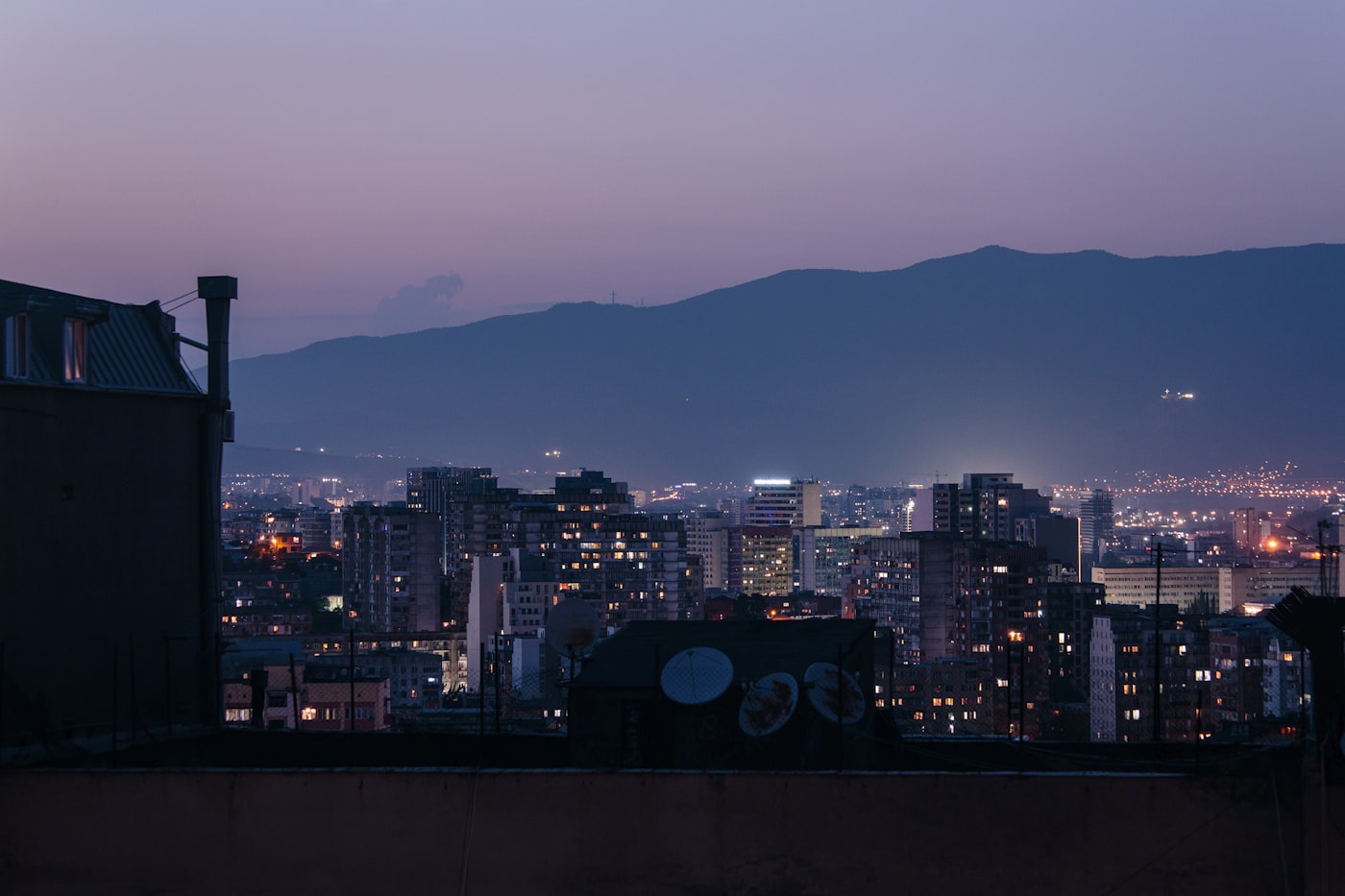
If you've ever felt like the digital nomad visa landscape is a maze of income thresholds, Tbilisi is the off-ramp. Georgia lets citizens of 95+ countries enter and stay for 365 days, no application, no income proof, no paperwork. Combined with the famous 1% tax rate for foreign-source freelance income (under the Individual Entrepreneur regime) and a cost of living that still flirts with Southeast Asian numbers, Tbilisi is the most administratively frictionless nomad city in the world.

Weather. Continental. Four real seasons. Summer (Jun–Aug) hot — Tbilisi sits in a basin and bakes at 35–40°C with no wind. Winter (Dec–Feb) cold and grey, regularly below freezing, with inconsistent heating in older apartments. Spring (Apr–May) and autumn (Sep–Oct) are the standout months — wine harvest, perfect light, 18–24°C.

Air quality. The honest weak point. Tbilisi has notable PM2.5 in winter (heating + traffic + basin geography) and summer (dust). AQI 80–140 in winter is not unusual. Chronic-respiratory nomads should consider Batumi (coastal) or schedule around winter.

Pollen. Spring pollen real but moderate. Linden trees July is fragrant, low-allergen for most.

WiFi. Genuine surprise on the upside. Silknet and Magti fiber widely deployed — 100–500 Mbps for €8–€15/month. Coworkings (Terminal, Impact Hub, Lokal) at 200+ Mbps and $80–$150/month. Café WiFi variable — Stamba Hotel lobby and Leila are the reliable picks. Local SIMs absurdly cheap (Magti, Geocell — 30 GB for ~$5).

Cost of living. $800–$1,500/month for comfortable. 1BR in Vake or Vera: $400–$600/month — though rents have climbed 20–30% since 2022's influx of Russian and Ukrainian remote workers. Eating out: $8–$12 for a Georgian meal with wine.

Neighborhoods. Vake for established expat + nomad hub, leafy and central. Vera for cafés, nightlife, and a younger creative scene. Saburtalo for cheaper rents and a more local feel. Sololaki and Old Town for historic charm with the wifi-tradeoffs of older buildings.

Food. Georgian cuisine is one of the most underrated in the world — khinkali (soup dumplings), khachapuri (cheese boat), badrijani (eggplant with walnut paste), mtsvadi (grilled meat). Georgian wine, fermented for 8,000 years in qvevri amphorae, is genuinely unique. A bottle of quality Saperavi for $4–$6.

Visa. The killer feature: 365 days visa-free for 95+ countries (US, EU, UK, Canada, Australia, NZ). Exit-and-re-enter for another 365 days, indefinitely. The "Remotely from Georgia" program adds formality if needed ($2,000/month income). Tax-wise: 0% on foreign income for first 183 days; the Individual Entrepreneur scheme charges 1% on annual revenue under ~$155,000.

Community. Growing fast, post-2022 geopolitically reshaped. Mix of Western nomads, Russian/Ukrainian relocators, and a small but tight founder scene. Smaller than the Latin American hubs — easier to know people quickly. English widely spoken under 35.

The catch. Infrastructure is rougher than the rest of this list — uneven sidewalks, aggressive driving, no real crosswalk culture, power-grid flakiness. Banking has tightened for foreigners (most use Wise/Revolut + ATM cash). Winter is genuinely cold and grey — if SAD is a factor, plan around it. Tbilisi geopolitics is real and currently fraught; stay aware.

Sources & methodology: editorial built on 2026 nomad data from Voronoi, AffordWhere, IQAir, government visa documentation, and in-field reporting. Cost figures in USD unless noted, current to Q2 2026.