← Top Picks

Next Wave · 2026

Cities just starting to show up in the group chat

*The "next wave" edition — 2026.*

What we measured: weather · air quality · WiFi · cost of living · neighborhoods · food · visa · community

01

Hoi An, Vietnam

Da Nang's slower, more beautiful neighbor. A working town disguised as a UNESCO heritage site.
Hoi An — nomad city

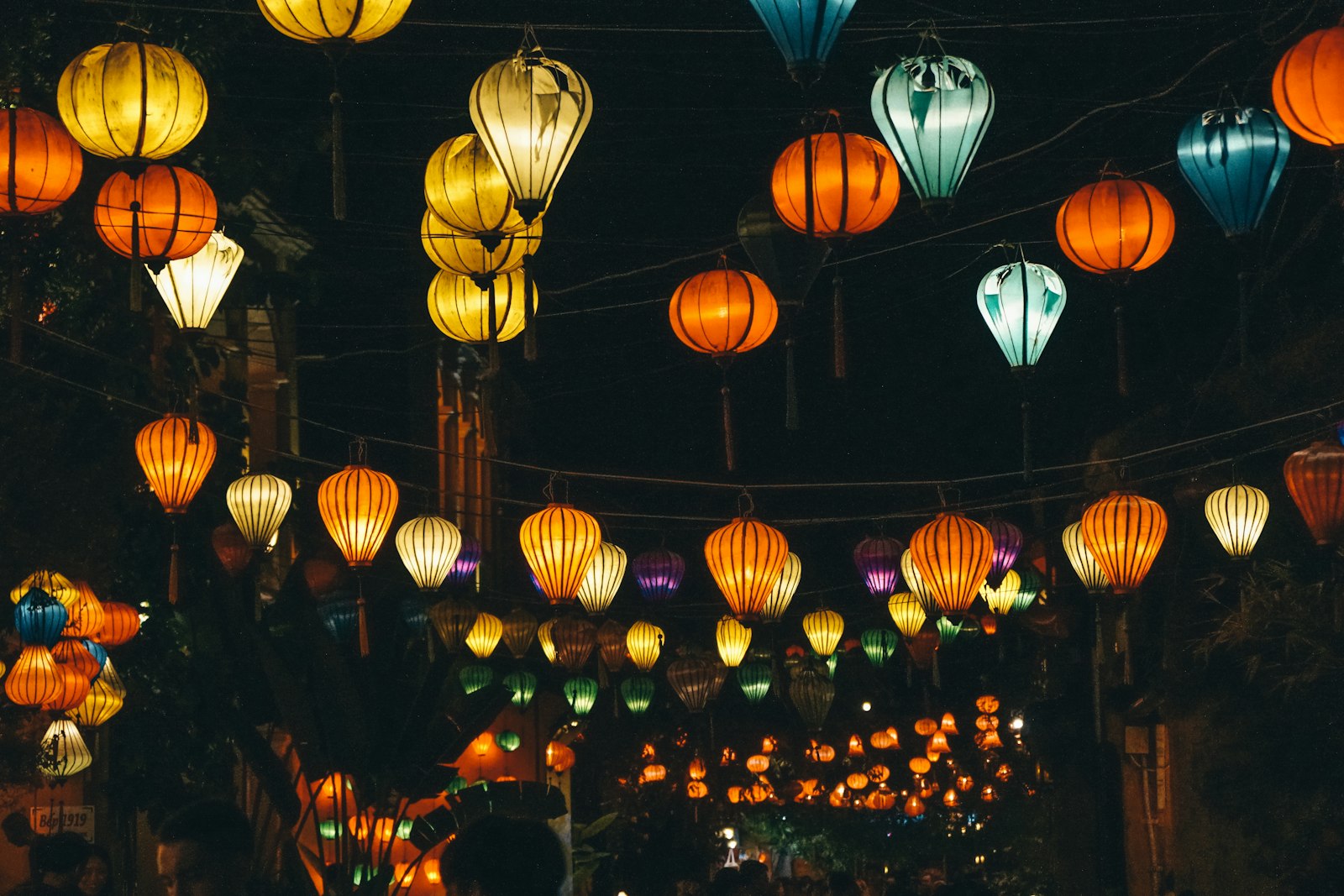
If Da Nang is Vietnam's "easy" nomad base — beachfront, modern, grid-traffic — Hoi An is the version that prioritizes texture over convenience. Forty kilometers south on the Central Coast, it's a UNESCO Old Town of lantern-lit alleys, tailor shops, riverside cafés, and rice paddies that start two blocks inland. The nomad community is smaller and tighter than Da Nang's, the coliving operators (Noma Collective and Outsite both run rotations here) have arrived, and the prices are the lowest in this list outside Asunción. The dealbreaker for some — and the reason this city isn't already on every list — is that it floods. Hard. Annually.

Weather

Tropical with a real seasonal trap. Dry season (Feb–Aug) is the magic window — 25–35°C, blue skies, swimmable ocean at An Bang Beach. Wet season (Sep–Dec) is the catch. October and November bring serious flooding — entire stretches of the Old Town go underwater for days at a time, with annual high-water records broken in 2020 and 2023. Plan around it.

Air & pollen

Generally excellent — coastal, low industrial activity. Tropical pollen profile, low impact.

WiFi

Excellent and absurdly cheap, like the rest of Vietnam. Fiber to apartment 100–300 Mbps for $8–$12/month. Coworking is limited but growing — Hub Hoi An, Sun House Hoi An, plus several café-coworks. Café WiFi is generally strong. During floods, expect outages.

Cost of living

$800–$1,400/month for a comfortable lifestyle. Studio with bicycle or scooter access: $250–$450/month. A bowl of cao lau (the local Hoi An noodle dish, traceable only to a few wells in the city) for $2. Coworking $80–$120.

Neighborhoods

Cam Chau for the nomad sweet spot — between the Old Town and An Bang Beach, quieter than the heritage core, scooter access to everything. An Bang for beachfront living. Tra Que (the herb village) for rural-and-cheap. The Old Town itself is best visited, not lived in — it gets touristy by 10am.

Food

Hoi An has its own distinct cuisine, not just generic Vietnamese: cao lau (the city's signature noodle dish, made with well water from specific wells), white rose dumplings, banh mi from Banh Mi Phuong (made famous by Anthony Bourdain), and a tailor culture that means custom suits and dresses in 24 hours. Plus Da Nang's full food scene is 45 minutes away.

Visa

Same as Da Nang — e-visa 90-day single or multi-entry, $25–$50. No dedicated nomad visa. Most long-stay nomads do quarterly visa runs to Bangkok or Phnom Penh.

Community

Smaller than Da Nang but tighter — measured in low hundreds. Coliving rotations bring waves of nomads through, so the community refreshes regularly. Stronger creative-and-wellness energy than Da Nang's tech-and-coworking tilt.

The catch

Floods. Tourist density in the Old Town between November and February (high season). Limited international airport — flights run through Da Nang. And the small size cuts both ways — charming after Chiang Mai's congestion, claustrophobic after CDMX's energy.
02

Asunción, Paraguay

The cheapest functional capital in South America. Almost nobody knows it.

Asunción — nomad city

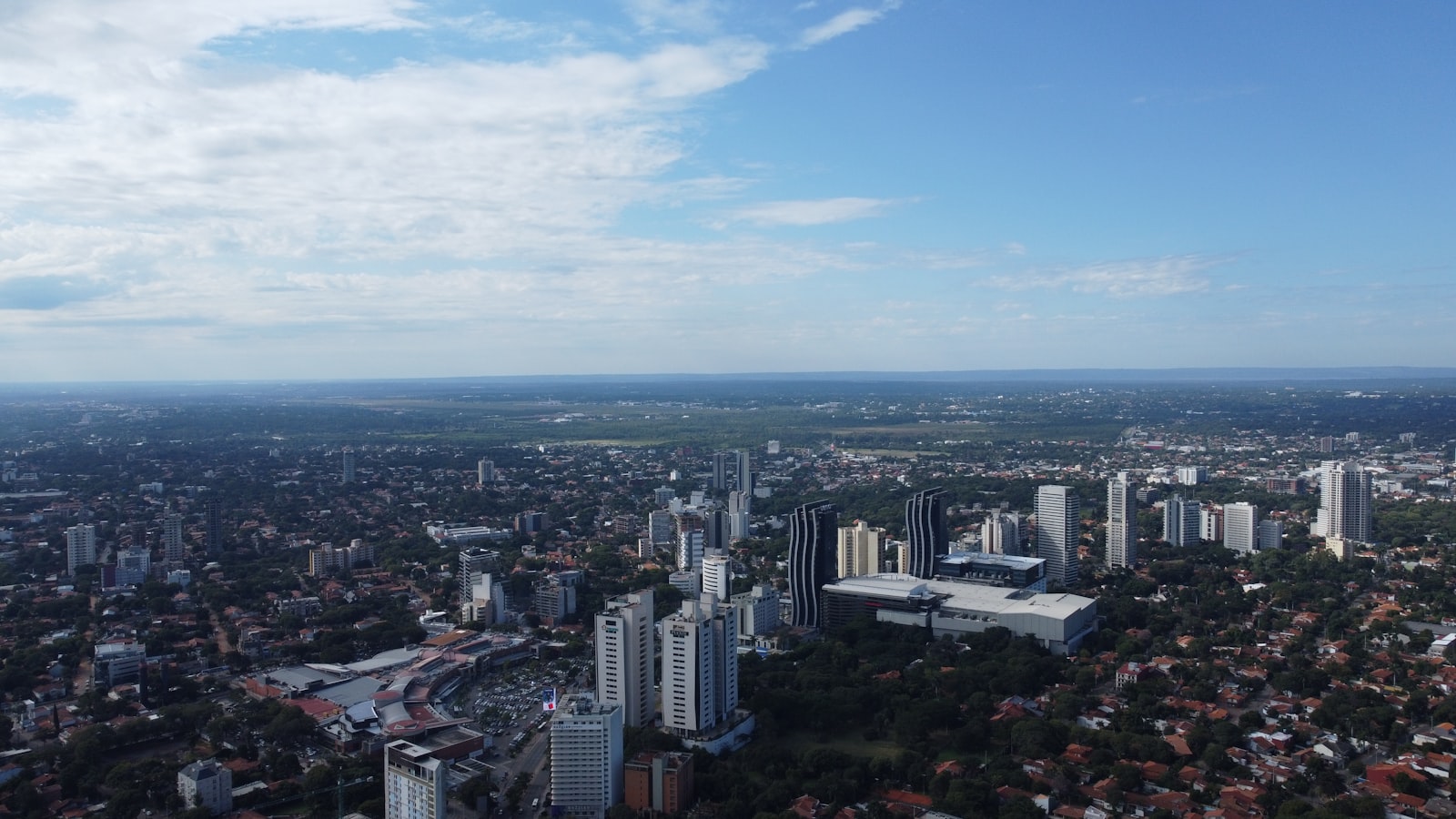
Asunción is the nomad pick almost no nomad knows about — and that's both its appeal and its risk. Paraguay's capital sits on the Paraguay River across from Argentina, has roughly 525,000 people, runs on a US-aligned Central Time zone, offers a residency-by-investment program with a path to a passport in three years, and is consistently the cheapest major capital in South America. Hydroelectric power from Itaipú Dam keeps electricity costs trivial. The infrastructure is uneven, the international community is small, and the Spanish-only barrier is real — but the price-to-quality ratio is unmatched.

Weather

Subtropical, hot. Summer (Dec–Feb) brutally hot and humid, 30–38°C with regular 40°C days. Winter (Jun–Aug) mild and dry, 10–22°C. Spring and autumn are the standout months — mild, mostly clear, manageable humidity.

Air & pollen

Generally moderate. Some seasonal burning in surrounding agricultural zones in Aug–Oct can elevate PM2.5. Subtropical pollen profile, moderate impact.

WiFi

Better than reputation. Tigo, Personal, and Claro fiber deliver 100–500 Mbps in central Asunción for ~$25–$40/month. Coworking is thin but functional — Talent, Loffice, and Co-Work Center anchor the scene. Café WiFi reliable in the Villa Morra and Carmelitas neighborhoods.

Cost of living

$800–$1,300/month for a comfortable lifestyle — among the lowest of any capital in this list. 1BR in Villa Morra or Carmelitas: $300–$500/month. Full Paraguayan asado lunch for $6–$10. Local beef is excellent and absurdly cheap (Paraguay is a top-5 global beef exporter). Coworking $80–$120.

Neighborhoods

Villa Morra for the upscale residential and best café density. Carmelitas for the leafy, embassy-adjacent calm. Centro Histórico for the colonial-era buildings (and some visible decay). Las Mercedes for newer mid-rise residential.

Food

Paraguayan cuisine is one of South America's least exported and most distinctive — chipa (cheese bread), sopa paraguaya (which is actually a cornbread, not a soup), mbeju (cassava starch flatbread), and asado paraguayan-style. Tereré (cold yerba mate) is the national obsession, drunk constantly. Italian and Lebanese influences are strong thanks to historical immigration waves.

Visa

Paraguay's residency-by-investment program (revamped 2024): minimum $70,000 income or investment proof, 3-year temporary residency leading to permanent in years 3–4, citizenship pathway in year 3. For non-residency stays, most US/EU/UK nationals get 90 days visa-free (renewable). Paraguay has a territorial tax system — foreign-source income is generally not taxed.

Community

Small and growing. Expat scene is heavy on retirees, missionaries, and the residency-program crowd; the active-nomad community is in the low hundreds. Spanish proficiency is essential — English fluency drops sharply outside Villa Morra. Guaraní (the indigenous co-official language) is widely spoken, which surprises new arrivals.

The catch

Spanish-or-nothing — this isn't Mexico City's English-friendly nomad layer. Summer heat is genuinely punishing. International flights run through São Paulo, Lima, or Buenos Aires for most connections. Bureaucracy is real (Paraguay maintains the regional tradition honestly). And the small expat community means social isolation can hit harder than in larger hubs.

03

Florianópolis, Brazil

The Brazilian tech-coast surprise. Lagoon, beaches, and one of South America's strongest startup ecosystems.

Florianópolis — nomad city

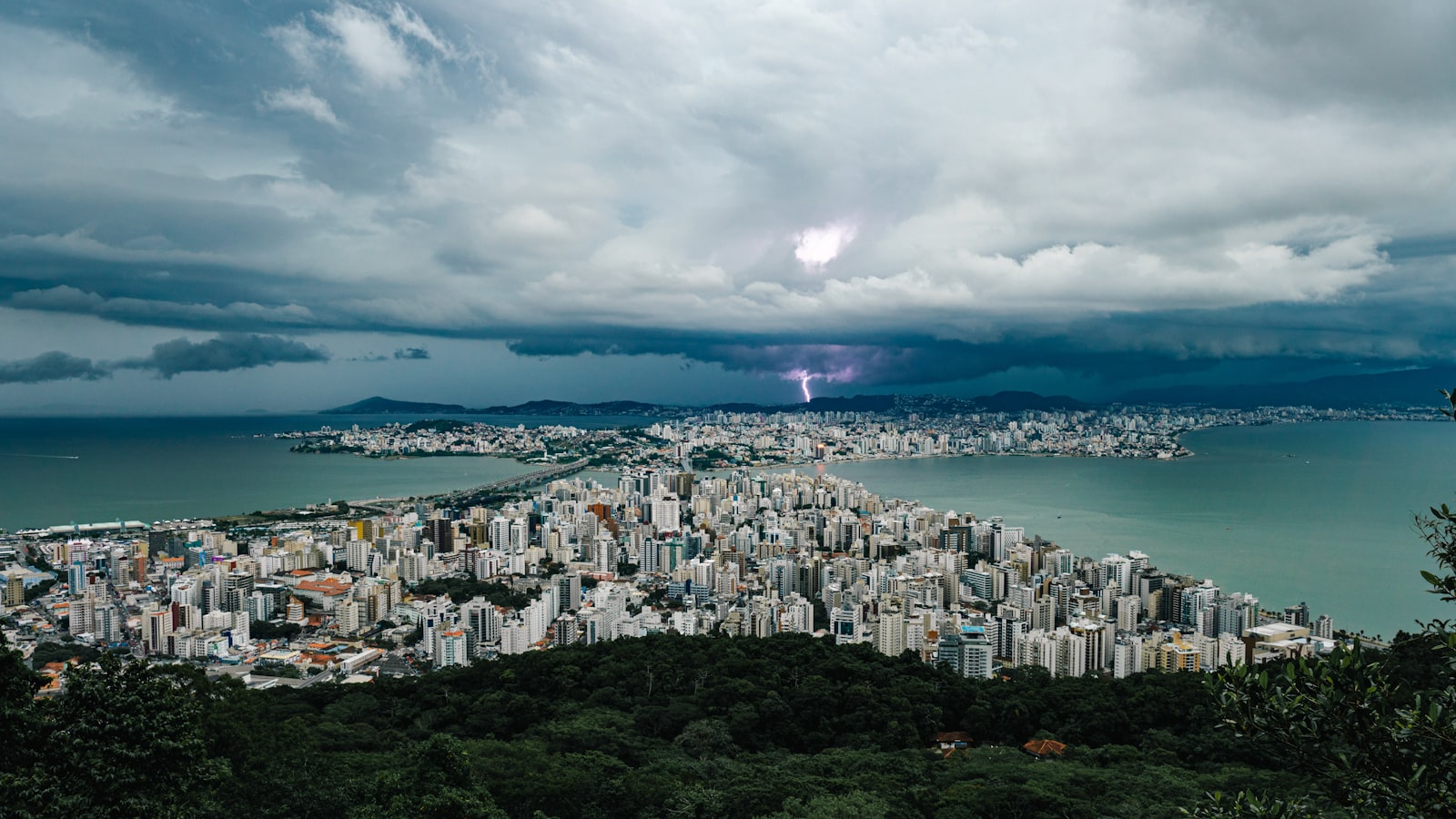
Florianópolis — known to Brazilians simply as Floripa — is an island-and-mainland city in the southern state of Santa Catarina. It's regularly cited as Brazil's "Silicon Island": multiple acquired startups, a dense ACATE (the Santa Catarina Tech Association) network, and the kind of weather and beach access that explains why so many founders relocated there during the pandemic. The Brazilian Digital Nomad Visa exists, the time zone aligns with US Eastern (UTC-3, just one hour off), and the price-to-quality ratio is dramatically better than São Paulo or Rio.

Weather

Subtropical, four-ish seasons. Summer (Dec–Feb) hot and humid, 24–32°C, peak tourist season — beaches busy, prices spike. Winter (Jun–Aug) mild but rainy, 10–20°C, far less crowded. Spring and autumn (the locally-preferred months) — 18–24°C, the city at its most livable.

Air & pollen

Generally excellent. Coastal location, low industry, sea breezes. Subtropical pollen, moderate impact.

WiFi

Strong. Brazilian fiber (Vivo, Claro, NET) delivers 200–600 Mbps in central neighborhoods for R$100–R$150 ($20–$30)/month. Coworking density is real for a mid-size city — CocoBambu, Co.W., Garagem 360, plus the ACATE tech hub. Café culture is laptop-friendly.

Cost of living

$1,500–$2,500/month for a comfortable lifestyle. Floripa is more expensive than most Brazilian cities — startup-money and tourism have pushed prices up. 1BR in Centro or Trindade: R$2,500–R$4,500 ($500–$900)/month. 1BR on the beach in Jurerê: R$5,000+ in summer. Açaí for $3, full seafood meal $15–$25.

Neighborhoods

Centro for the historic and walkable core. Trindade for the university-and-cafés mix. Lagoa da Conceição for the lagoon-and-nightlife scene (and the highest nomad density). Jurerê Internacional for the wealthy beach club scene. Campeche for the surf-rural quieter beach option. The mainland (Continente) is cheaper but less walkable.

Food

Santa Catarina is Brazil's seafood capital — oysters from Ribeirão da Ilha, sequência de camarão (the regional shrimp-feast format), and the German-Italian-Azorean cultural mix produces unique dishes like sequência de tainha (mullet, in season May–July) and pastel de camarão. Açaí culture is religious. Coffee culture has finally caught up to Brazilian beans being world-class.

Visa

Brazil's Digital Nomad Visa (2022, refined 2024): $1,500/month income proof or $18,000 bank statement, 1-year initial, renewable for 1 more, processing 2–6 weeks. Tax: stays under 184 days = non-resident, foreign income untaxed. Brazil has tax treaties with most major Western countries.

Community

Tech-tilted and substantial. ACATE, the Sebrae Floripa innovation programs, and the Floripa Conf (annual founder gathering) anchor the ecosystem. The nomad-vs-founder line is blurry — many people here are both. English is more common than in most of Brazil but Portuguese remains the working language.

The catch

Summer (Dec–Feb) is genuinely overwhelmed — tourists, traffic across the bridge to the island, prices peaking. Floripa winter is greyer and wetter than people expect. The cost of living surprise is real — this isn't Brazil's cheap option. And the city is geographically spread out — you'll need a scooter, car, or constant Uber budget to access everything.

04

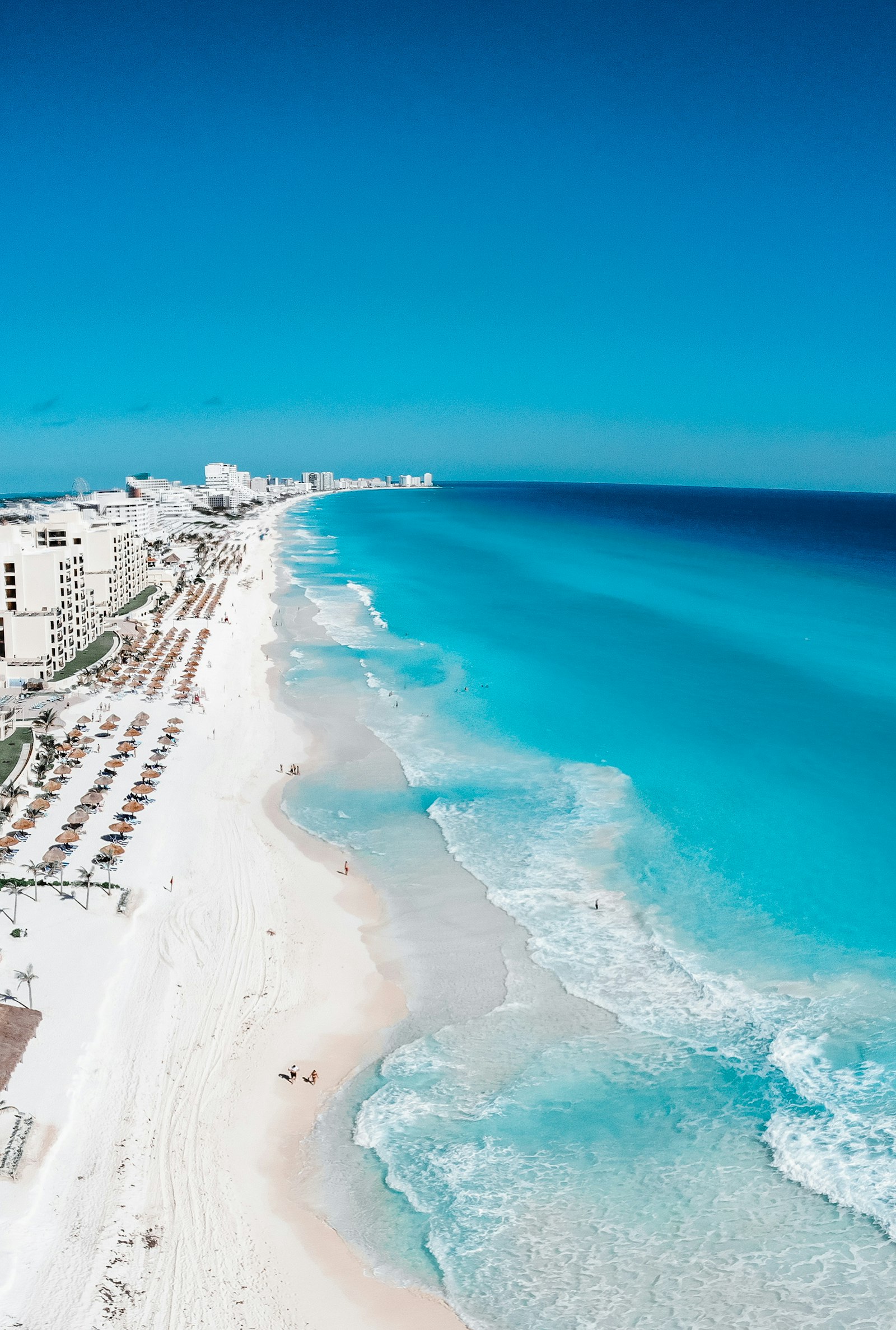
Cancún, Mexico

Mexico's most-known destination is its least-positioned as a nomad base. The opportunity is in seeing past the spring-break reputation.

Cancún — nomad city

Most "Cancún" content treats the city as a hotel-zone beach destination — all-inclusive resorts, day-trip cenotes, Coco Bongo at 2am. Almost none of it treats Cancún as what it actually also is: a 900,000-person city with full Mexican infrastructure, a 180-day tourist visa on arrival, an international airport with direct flights to 30+ US/Canadian cities, fiber broadband, and the entire Yucatán Peninsula (cenotes, Maya ruins, Tulum, Mérida, Holbox, Isla Mujeres) within reach. The catch is that Cancún the nomad city is Cancún Centro, not the Hotel Zone — and the city has two real seasonal traps that the all-inclusive crowd doesn't have to think about.

Weather

Tropical. Two seasons. Dry (Nov–Apr) is the magic window — 22–30°C, low humidity, clear skies, calm Caribbean. Hurricane season (Jun–Nov, peak Aug–Oct) is the first catch — direct hits are rare (fewer than a dozen in 40 years) but tropical storms can disrupt life for 2–5 days at a time. Sept–Oct is the rainiest stretch.

The sargassum problem

This deserves its own paragraph because it's increasingly the dealbreaker nobody warns you about. Sargassum (sargazo) — brown floating seaweed from the Atlantic — washes ashore on Cancún's beaches in volume from approximately February through October, peaking May–August. The University of South Florida's 2026 forecast flagged this year as a potential record or near-record season, with early arrivals already confirmed in January and March 2026. Decomposing sargassum releases hydrogen sulfide (rotten-egg smell). Geography matters: North Cancún and Playa Gaviota Azul face the calmer Bahía de Mujeres and consistently see less; South Cancún and the Tulum/Playa del Carmen coast get hit hardest. November–March is the genuinely clear window.

Air & pollen

Generally good. Coastal ventilation keeps PM2.5 low. Tropical pollen profile, low impact for most.

WiFi

Solid. Telmex/Infinitum, Totalplay, and Megacable fiber deliver 100–500 Mbps in central neighborhoods for ~$30–$40/month. Coworking density is thinner than CDMX or Playa del Carmen — Nex Offices, Colabora Cowork, and beNuk Coworking are the established options. Café-friendly culture is real in Cancún Centro (Ah Cacao, Café Nader) but weaker than CDMX.

Cost of living

$1,400–$2,200/month for a comfortable lifestyle. 1BR in Cancún Centro: $500–$900/month. 1BR in Puerto Cancún (the newer marina-side residential): $800–$1,400. Tacos al pastor $1.50, full sit-down meal $10–$15, all-inclusive Hotel Zone restaurants $30–$60. Coworking $120–$200.

Neighborhoods

Cancún Centro (Downtown) for the real-city, less-touristy, more-affordable nomad base — Avenida Tulum, Mercado 28, walkable cafés. Puerto Cancún for the upscale marina-residential with good security and infrastructure. SM 18 and SM 25 (supermanzanas) for cheaper authentic-Mexican living. The Hotel Zone itself for the beach-resort lifestyle but the worst nomad value — high rent, no walkability, scarce local culture.

Food

Yucatecan cuisine is the regional star (cochinita pibil, sopa de lima, panuchos, salbutes) — same lineage as Mérida but Cancún has a more international scene reflecting tourism. Seafood is excellent (try aguachile, ceviche). The Mercado 28 and Mercado 23 in downtown are essential. Plus Mexico City-grade taco culture has finally arrived.

Visa

Standard Mexico — 180-day tourist permit (FMM) on arrival for most Western nationalities, processed at the airport, free. Temporary resident visa available for longer stays (~$2,600/month income or $43,000 savings proof, applied at Mexican consulates abroad). Cancún consulate staff are well-practiced with this process.

Community

Substantially smaller and less defined than Playa del Carmen or Tulum's nomad scenes — surprisingly thin given the city's size, because Cancún positions itself as a tourism city, not a nomad one. The Mérida and Playa del Carmen nomad communities are 2–4 hours away and easy weekend trips. English fluency is high in tourism-adjacent zones, more limited in Cancún Centro itself.

The catch

Sargassum. Sargassum. Sargassum. Hurricane season needs travel-insurance budgeting. The Hotel Zone is genuinely not a place to live as a nomad — overpriced, isolated from the real city, designed for one-week vacationers. And Cancún Centro, while real, isn't as charming as Mérida or Oaxaca — this is a 1970s-purpose-built tourism city with the urban planning to match. The right play: base in Puerto Cancún or Centro, time your stay Nov–March, and use Cancún as a Yucatán Peninsula hub rather than a destination in itself.

05

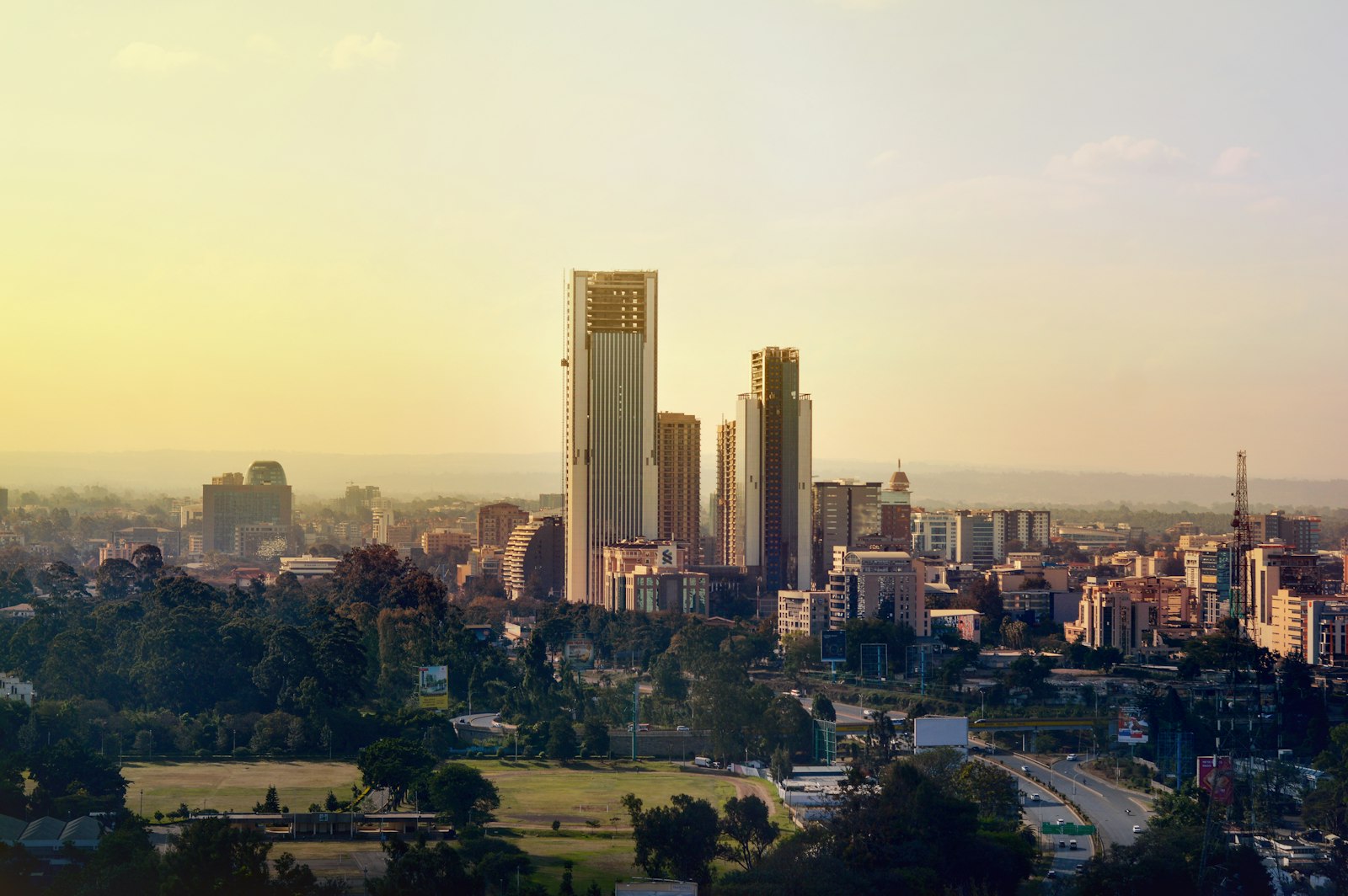
Nairobi, Kenya

Africa's most credible tech ecosystem. The "Silicon Savannah" claim is for once not marketing.

Nairobi — nomad city

Nairobi is Africa's startup capital by almost any objective measure — Andela, M-Pesa, Twiga Foods, and a generation of Pan-African unicorns either started here or built their largest hub here. The result, for a nomad: a real founder community, regular tech events, dense coworking (iHub, Nairobi Garage, Workstyle Africa, Ikigai), and a city posture that treats expatriate tech workers as part of the economic strategy. Nairobi's drawbacks are real — air quality, traffic, security calculus — but for nomads building or working in tech, no other African city matches the density of relevant people.

Weather

Equatorial highland — Nairobi sits at 1,795m. Permanent mild temperatures, 12–28°C year-round. Two rainy seasons: long rains Mar–May, short rains Oct–Dec. Dry seasons (Jan–Feb, Jun–Sep) are cooler and sunny. No A/C needed.

Air quality

Nairobi's weakest variable. WHO measurements regularly place PM2.5 at 2–4× the guideline threshold, driven by traffic emissions and burning. Air purifiers in apartments are standard for long-stayers. Better than Delhi or Beijing, worse than any other city in this list.

Pollen

Equatorial — no sharp seasonal spikes.

WiFi

Genuinely excellent. Safaricom fiber (Home Fibre) and Faiba deliver 100–500 Mbps in central neighborhoods for KSh 4,000–6,000 ($30–$45)/month. 4G/5G coverage is among the best in Africa. Coworking is the most developed scene on the continent — iHub (one of Africa's first), Nairobi Garage, Ikigai, Workstyle Africa, Workable, plus the Nairobi Innovation Hub. Memberships $150–$300/month.

Cost of living

$1,500–$2,500/month for a comfortable lifestyle. 1BR in Kilimani, Westlands, or Lavington: KSh 60,000–KSh 150,000 ($450–$1,100)/month. Local lunch (ugali, sukuma wiki, grilled meat) for $4–$6; mid-range restaurant $15–$25. Coworking $150–$300. Imported groceries carry significant markup.

Neighborhoods

Kilimani for the nomad/expat default — restaurants, gyms, coworking, walkability (relative — Nairobi is car-dependent). Westlands for the business district and nightlife. Karen and Lavington for the quieter upscale residential. Lower Kabete for the bohemian artist scene. Avoid Eastlands for accommodation unless deeply connected locally.

Food

Kenyan cuisine — nyama choma (grilled meat, the national obsession), ugali, sukuma wiki, mukimo. Plus an international scene reflecting Nairobi's role as East Africa's hub: excellent Ethiopian, Indian (significant Kenyan-Indian heritage), Lebanese, and Italian. The coffee scene is world-class (Kenya is a specialty-coffee origin), best appreciated at Connect Coffee Roasters or Java House.

Visa

Kenya offers visa-on-arrival or eTA (electronic Travel Authorization, replaced traditional visa-on-arrival in 2024) for most Western nationalities, $30–$50, valid up to 90 days, extendable in-country to 180. The Kenya Digital Nomad Visa launched 2024: $55,000/year income proof, multi-year stays. The East Africa Tourist Visa ($100) covers Kenya, Uganda, Rwanda for 90 days.

Community

The deepest tech-and-founder community of any African city. Pan-African in composition — you'll meet Nigerian, South African, Rwandan, and Ghanaian founders constantly. Plus a real Western expat community in development/NGO/journalism. Slack communities, weekly meetups, and the Nairobi Tech Week (annual) anchor the social calendar. English is an official language; Swahili is widely spoken.

The catch

Traffic is genuinely Nairobi's worst feature — what should be a 15-minute drive can take 90 minutes during rush hour. Security calculus is real but manageable — stick to vetted neighborhoods, use ride-hail apps (Uber, Bolt, Little) instead of street taxis, avoid walking after dark in most areas. Tap water isn't potable. And the air-quality variable will affect long-term residents more than visitors.

06

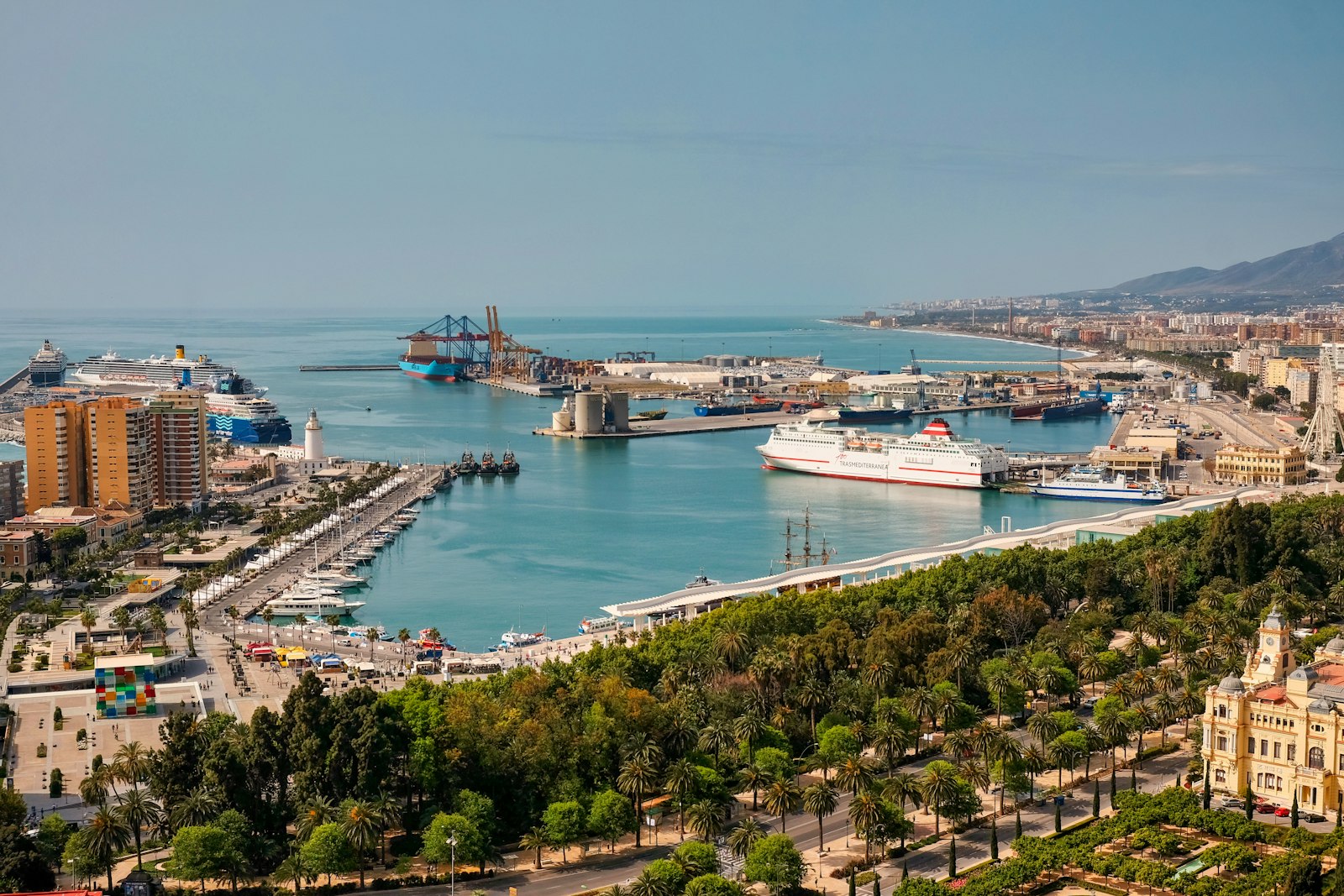
Málaga, Spain

The Costa del Sol's surprise rebrand. Spain's Digital Nomad Visa hub-in-waiting.

Málaga — nomad city

For a long time Málaga was Spain's "arrival airport for the Costa del Sol" — a transit point on the way to Marbella or Nerja. Now it's quietly become Spain's most credible alternative to Barcelona or Madrid for nomads — cheaper rent than Barcelona, warmer winter than Madrid, the same EU visa pathway, an aggressive city-government push for tech ("Málaga Tech Park," the Google Cybersecurity Centre opened 2023), and the Andalusian food-and-wine culture that Catalonia can't quite match. The Spain Digital Nomad Visa applies the same way it does in Barcelona, but the cost-of-living math is meaningfully better.

Weather

Mediterranean, the warmest major city in continental Europe in winter. Summers (Jun–Sep) hot, 25–32°C, occasionally 38°C in July–August. Winters very mild, 10–18°C, rarely below 5°C — Málaga's "you can swim in October" claim is honest. Spring and autumn standout months.

Air quality

Generally good. Coastal ventilation, minimal heavy industry. PM2.5 occasionally elevated in winter due to vehicle emissions but generally within WHO standards.

Pollen

Mediterranean profile — olive (May–Jun), plane trees, grass, parietaria. Standard regional impact.

WiFi

Excellent. Movistar, Orange, and Vodafone fiber deliver 600 Mbps–1 Gbps in central neighborhoods for €30–€40/month. Coworking density has tripled since 2020 — La Térmica, Workinn, Innovation Campus, plus boutique spots in Soho and the Centro Histórico. Café culture is genuinely laptop-friendly.

Cost of living

$1,800–$2,800/month for comfortable. Roughly 30–40% cheaper than Barcelona for the lifestyle equivalent. 1BR in Centro Histórico, Soho, or La Malagueta: €800–€1,300/month. Menú del día lunch €10–€14. Tapas culture means dinner can be €15–€25 for two with wine. Coworking €150–€250.

Neighborhoods

Centro Histórico for the walkable cobblestoned core. Soho for the design-and-art-gallery scene (Málaga's deliberately-cultivated cultural district). La Malagueta for beachfront access. El Palo for the more local, less touristy seaside village feel. Teatinos for the university-tech-cluster area.

Food

Andalusian cuisine — espetos (sardines grilled on skewers over driftwood fires on the beach, the unmistakable Málaga ritual), fried fish (pescaíto frito), gazpacho, salmorejo, ajoblanco. Plus the wine country (Ronda, Antequera) is short drives away. Picasso's birthplace also has excellent contemporary tapas innovation.

Visa

Spain Digital Nomad Visa (under Law 28/2022): €2,762/month income (200% of Spanish minimum wage), 1-year initial, renewable up to 5 years. Beckham Law tax regime modified for nomads — 24% flat rate on Spanish-source income for first 6 years. Same conditions as the Barcelona analysis.

Community

Growing fast — the official "Málaga Workation" program is real and city-supported. The Google Safety Engineering Centre opening (2023) brought a tech cohort that's still settling. Smaller and more cohesive than Barcelona's nomad scene. English is widespread in tourism-and-tech zones, less so in residential.

The catch

Summer (Jul–Aug) gets tourist-overrun — beach crowds, restaurant queues, prices spike. Andalusian work hours (siesta culture, late dinners) take adjustment for US-clients schedules. And the city, while charming, is genuinely smaller than Barcelona — quieter after midnight, fewer events, and the cultural depth is real but more compact.

07

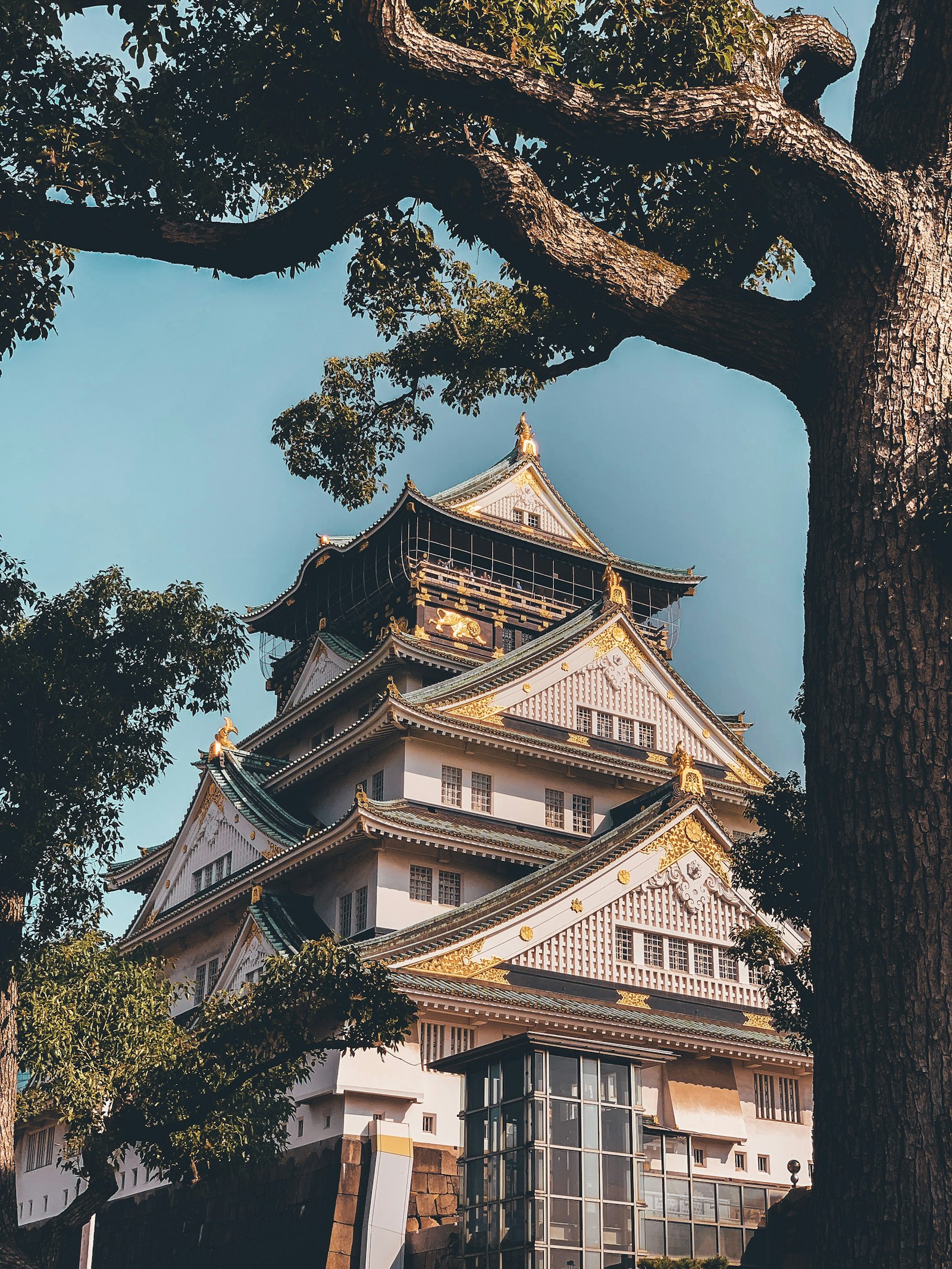
Osaka, Japan

Japan's working-class, food-first second city. Same infrastructure as Tokyo, half the formality.

Osaka — nomad city

Osaka is what happens when you put 2.7 million people in a city that historically prided itself on being the merchant counterweight to Tokyo's samurai-and-imperial dignity. The result is a city that's louder, friendlier, looser, and more food-obsessed than the capital. For nomads: same infrastructure (gigabit fiber, JR rail, world-class healthcare), same Japan Digital Nomad Visa, dramatically lower rent than Tokyo, and arguably the best food city in the world. Plus Kyoto is 15 minutes away by train.

Weather

Four real seasons. Summer (Jul–Aug) hot and humid, 28–35°C — Osaka summers are genuinely brutal due to the basin geography. Winter (Dec–Feb) cool, 3–10°C, occasional snow but rarely sticking. Spring (Mar–May, cherry blossoms in Osaka Castle Park) and autumn (Oct–Nov) are the standout months. Typhoon season (Aug–Sep) more impactful here than in Fukuoka.

Air quality

Generally good. PM2.5 occasionally elevated during yellow-dust events (Mar–Apr from mainland China). Generally better than Tokyo.

Pollen

Same Japanese kafunshō trap as Fukuoka — cedar and cypress pollen Feb–April is severe for hay-fever sufferers. Plan around it.

WiFi

Same as Fukuoka — world-class. Gigabit fiber for ¥4,000–¥5,000 ($27–$35)/month. Coworking density is much higher than Fukuoka — WeWork (multiple locations), Billage Osaka, The Company, plus university-affiliated and startup-incubator options. Café culture is excellent and laptop-friendly.

Cost of living

$1,800–$2,800/month for comfortable — about 20–30% below Tokyo. Furnished studio in Umeda, Namba, or Tennoji: ¥75,000–¥130,000 ($500–$870)/month. Share house room ¥40,000–¥65,000. Takoyaki for ¥600, mid-range ramen ¥1,000–¥1,400, a serious kushikatsu dinner ¥3,000–¥5,000.

Neighborhoods

Umeda (north Osaka, around the main station) for the modern business district and serious infrastructure. Namba (south) for the youth-energy, food-obsession, and Dotonbori canal scene. Tennoji for cheaper and more residential. Honmachi for the central business district nomad-meets-professional crossover. Nakanoshima for the river-island calm.

Food

This is Osaka's killer feature. The local slogan is kuidaore — "ruin yourself eating." Takoyaki (invented here), okonomiyaki, kushikatsu (deep-fried skewers), kitsune udon, the Kuromon market for fresh ingredients. Osaka takes its food more seriously than any other Japanese city, including Tokyo. The standing-bar (tachinomi) culture is essential — under-$10 beer-and-snack stops in Tenma Sakaba and Tennoji.

Visa

Japan Digital Nomad Visa (Designated Activities, Notice 53): 6 months single-entry, ¥10M/year (~$68,000) income, mandatory health insurance. Same constraints as the Fukuoka analysis — non-renewable in-country. For shorter stays, 90-day visa-exempt entry covers most nationalities.

Community

Larger and more cohesive than Fukuoka's, smaller than Tokyo's. The startup scene is concentrated around Honmachi and Yodoyabashi. Osakans are famously direct and friendly by Japanese standards — easier social entry than Tokyo's formal expat circuit.

The catch

Housing is the same friction point as Fukuoka — juminhyo (resident registration) issues for DN visa holders mean weekly/monthly apartments or share houses are the norm. Summer is genuinely punishing — Osaka's "concrete bowl" geography makes August heat oppressive. The 6-month visa cap means this isn't a year-round base. And Osaka, while warmer-personality than Tokyo, can still feel formal to nomads coming from CDMX or Buenos Aires.

08

Uluwatu, Bali — Indonesia

The Bali pick for nomads who have outgrown Canggu.

Uluwatu — nomad city

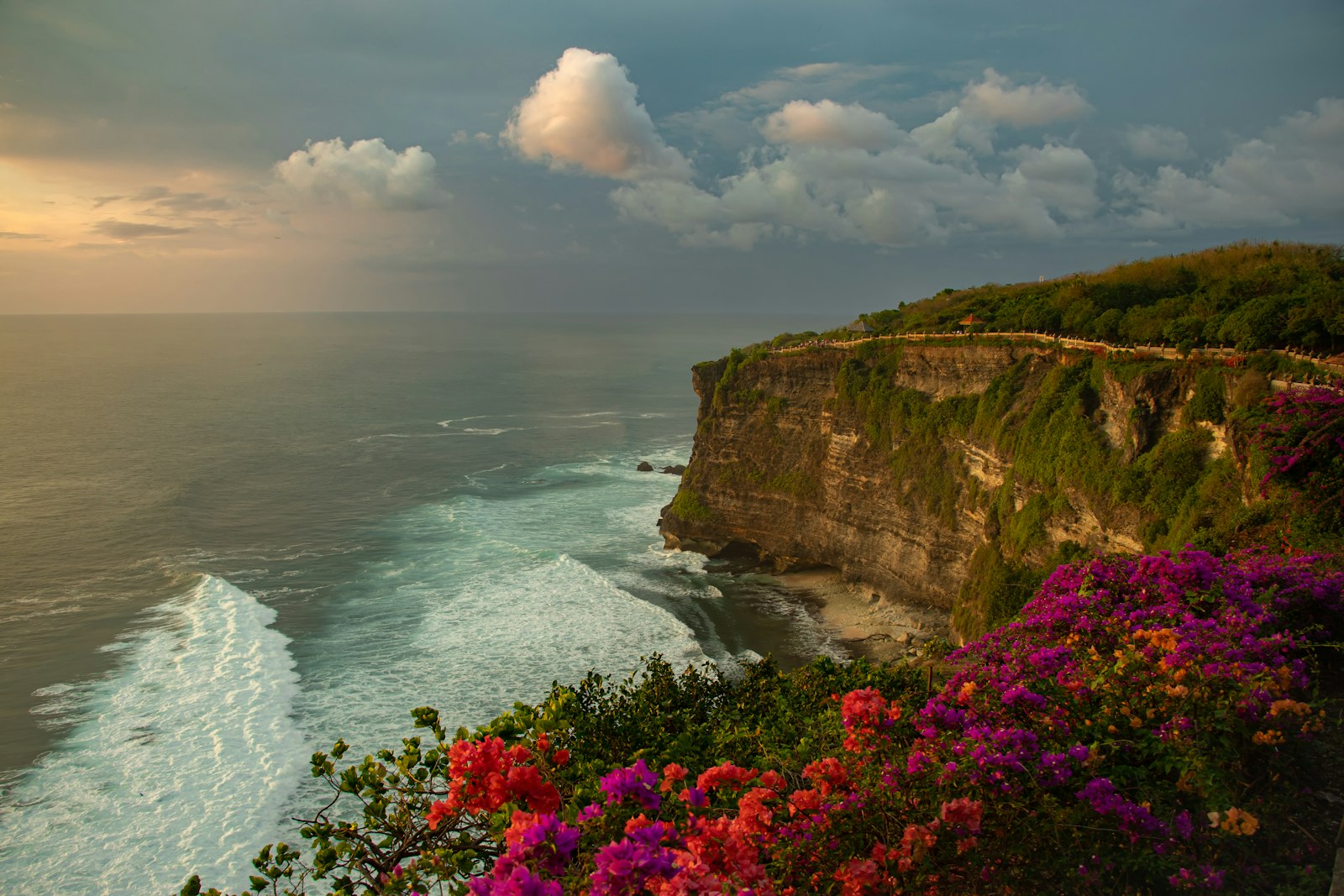
Uluwatu sits at the southern tip of Bali's Bukit Peninsula — cliff-edge geography, world-class surf, and a deliberate quiet that Canggu lost three years ago. The infrastructure has caught up just enough (Alchemy Yoga retreats, Single Fin Sunday at Bingin Beach, a half-dozen serious cafés, two coliving operators including Outpost Ulu and Bali Bustle), and the rent is now climbing fast as the Canggu exodus continues. The reason this city is on the list and not piece-1: the trade-off is genuinely worth it — Uluwatu has cliff-and-surf geography that no amount of money fixes in Canggu, and the community here is more focused, less party-saturated.

Weather

Tropical, two seasons. Dry season (Apr–Oct) — perfect surf swells, 26–32°C, low humidity. Wet season (Nov–Mar) — afternoon storms, humidity, and the local "rip currents" warning becomes more serious.

Air & pollen

Excellent — cliff-and-ocean geography means constant breeze, no traffic congestion like Canggu's Jalan Pantai Berawa. Tropical pollen profile, low impact.

WiFi

Has caught up substantially. Fiber to villa now 50–200 Mbps for $20–$35/month. Coworking — Outpost Ulu is the standout (200+ Mbps, ocean views, the works). Café WiFi solid at Drifter, Suka Espresso, Cassava. Starlink common in higher-end villas.

Cost of living

$1,400–$2,500/month for comfortable. Villa with pool: $800–$2,000/month — Uluwatu rents are now matching or exceeding Canggu's. Local warung meal $3–$5, Western café $7–$15. Coworking $200–$300.

Neighborhoods

Bingin for the surfer-and-beach-bum core. Padang Padang for the iconic cove and more developed scene. Uluwatu Village proper (closer to the temple) for the quieter, more local. Pecatu for cheaper inland accommodation. Nyang Nyang for the wild-and-secluded.

Food

Indonesian warung scene is excellent. The Western/expat food scene punches above the village size — Drifter, Single Fin, Cassava, La Brisa-grade cocktail bars. Vegan-friendly to a fault. The seafood at Jimbaran (15 min north) is the regional fame.

Visa

Same as Canggu — B211A social visa (60 days extendable to 180), E33G Remote Worker KITAS for serious long-stayers ($60K+ income). Indonesia's tax treatment for nomads remains in the "tolerated gray zone" — formal compliance is rare among the actual nomad population.

Community

Smaller and more concentrated than Canggu's. Heavily surf-and-wellness tilted. The "I came to Canggu and moved to Uluwatu" trajectory is so common it's become a meme. Coliving operators (Outpost, Bali Bustle) anchor the social calendar. Female nomads particularly well-served.

The catch

Geography is the catch — Uluwatu is on a cliffside peninsula, which means you'll need a scooter for everything, the road network is twisty, and there's no real "walking neighborhood" the way Canggu has. The price-to-quality ratio has flipped — Uluwatu isn't cheaper than Canggu anymore, just better. Surf-tourist density gets serious in dry-season peak (Jul–Aug). And the cliffside access to the famous beaches (Padang Padang, Bingin) requires real stair-climbing — a charm or a drawback depending on your knees.

09

Ko Pha Ngan, Thailand

The Thai island that grew up. Full-moon party reputation, but actually one of Asia's most established island nomad scenes.

Ko Pha Ngan — nomad city

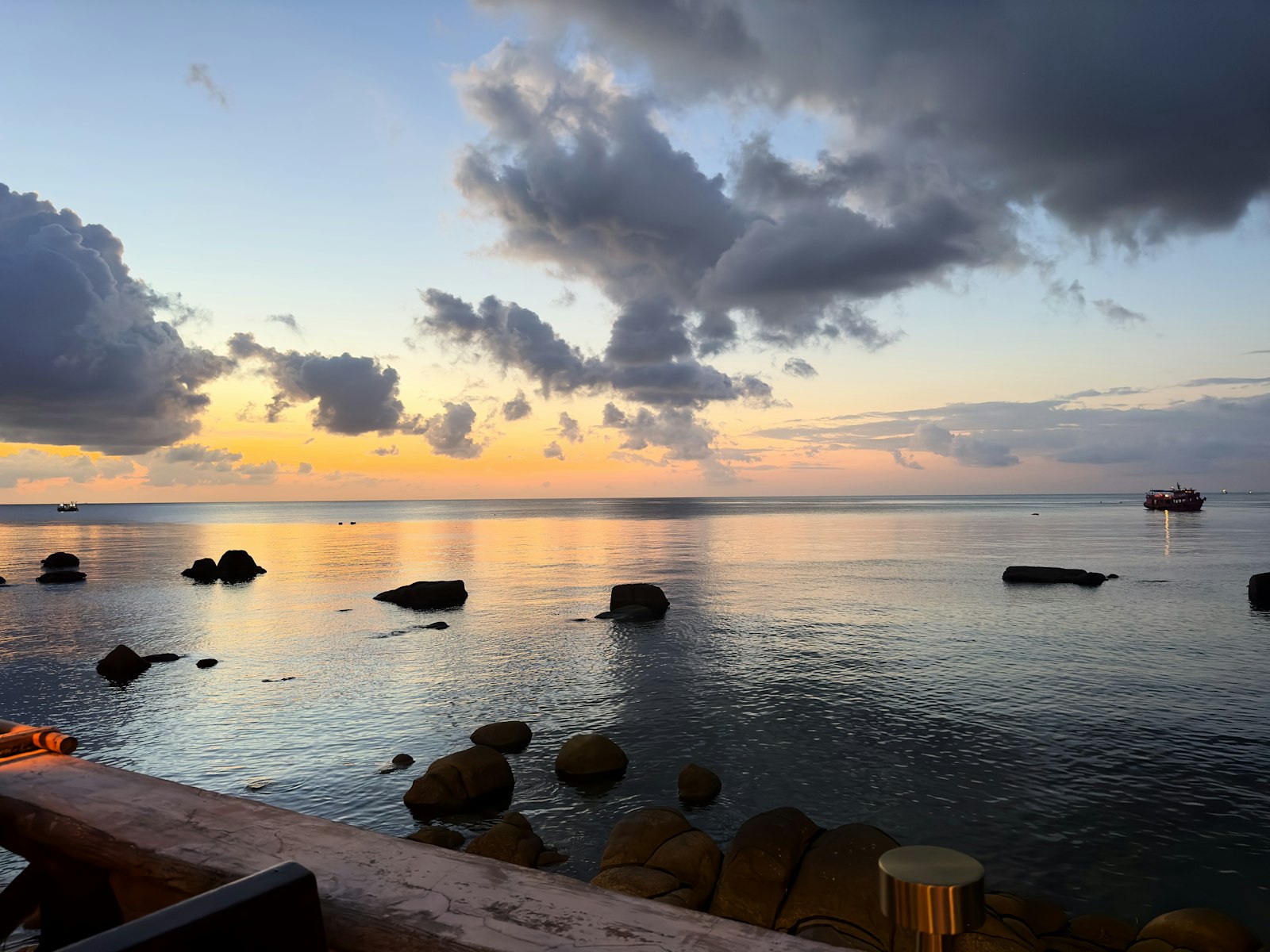
Ko Pha Ngan's reputation is set in cement by the Full Moon Party — Hat Rin's monthly bacchanal that draws 20,000+ backpackers. What that reputation misses is the rest of the island, which has quietly become one of Asia's most credible island-nomad scenes. Sri Thanu on the west coast is yoga-and-wellness ground zero. The Beach Club House, Pyjama Club, and Mañana Co-living anchor a real nomad community. Thailand's DTV visa applies. And the price-to-lifestyle ratio — beach, yoga, fast wifi, $4 pad krapow — is among the best in Asia.

Weather

Tropical, three seasons but island-modulated. Hot dry (Feb–Apr): 28–35°C, calm seas, perfect for diving. Hot wet (May–Oct): 27–32°C, afternoon storms, snorkeling can be murkier. Cool wet (Nov–Jan): 26–30°C — Ko Pha Ngan's monsoon, with November–December the rainiest months and occasional 3-day rain events.

Air & pollen

Excellent — island geography, no industry, constant sea breeze. Far better than mainland Thailand's burning-season air. Tropical pollen profile.

WiFi

Surprisingly good. Fiber to villa 100–300 Mbps for $20–$30/month, with the west coast (Sri Thanu, Chaloklum) better served than the southeast. Coworking — Beachub, Cocohut Coworking, and Mañana Coworking are the established options. Cafés in Sri Thanu (Karma Kafé, Bubba's, Fisherman's Restaurant) reliable for laptop work.

Cost of living

$1,100–$1,800/month for a comfortable island lifestyle. Studio bungalow: $300–$600/month, beachfront villa $800–$1,500. Thai food at local restaurants $3–$5, Western café $7–$12. Coworking $100–$180.

Neighborhoods

Sri Thanu (west coast) for yoga, wellness, and the nomad density. Chaloklum (north) for quieter, more local fishing village energy. Haad Yuan and Haad Tien (east) for the boat-access-only beach-bum scene. Thong Sala for the main town and ferry port. Hat Rin (south) for the Full Moon Party scene — avoid for living unless that's your thing.

Food

Standard Thai (excellent) plus an outsized vegan-and-wellness food scene reflecting the Sri Thanu yoga culture. Karma Kafé, Bubba's, and Pure Vegan Heaven anchor the wellness food. The local Thai food at Bang Rod and the Thong Sala Saturday night market is the value play.

Visa

Same Thailand framework — 30/60-day visa-exempt entries, plus the DTV (5-year multi-entry, 180-day stays, ~$300 fee, 500,000 THB bank statement). Island infrastructure means less in-island immigration office capability — most DTV applicants process via Bangkok or via the Thai consulate in their home country.

Community

Substantial and growing. The "Ko Pha Ngan over Chiang Mai" trajectory is increasingly real for nomads escaping the burning-season air. Heavy yoga, wellness, plant-medicine adjacency on the west coast. The full-moon-party demographic is a separate scene that the nomad community largely ignores.

The catch

Island life means island logistics — ferries from Koh Samui (the regional airport), occasional cancellations during monsoon, no chain pharmacies, fewer specialist services. Healthcare for anything serious means a flight to Bangkok. The full-moon-party demographic still floods Hat Rin monthly, which can affect the whole island's vibe that weekend. And west-coast sunsets are beautiful, but the lack of waves means swim culture, not surf culture — pair with a Bali trip if you want both.

10

Montreal, Canada

The bilingual North American metropolis nobody thinks to base from. The case is hiding in plain sight.

Montreal — nomad city

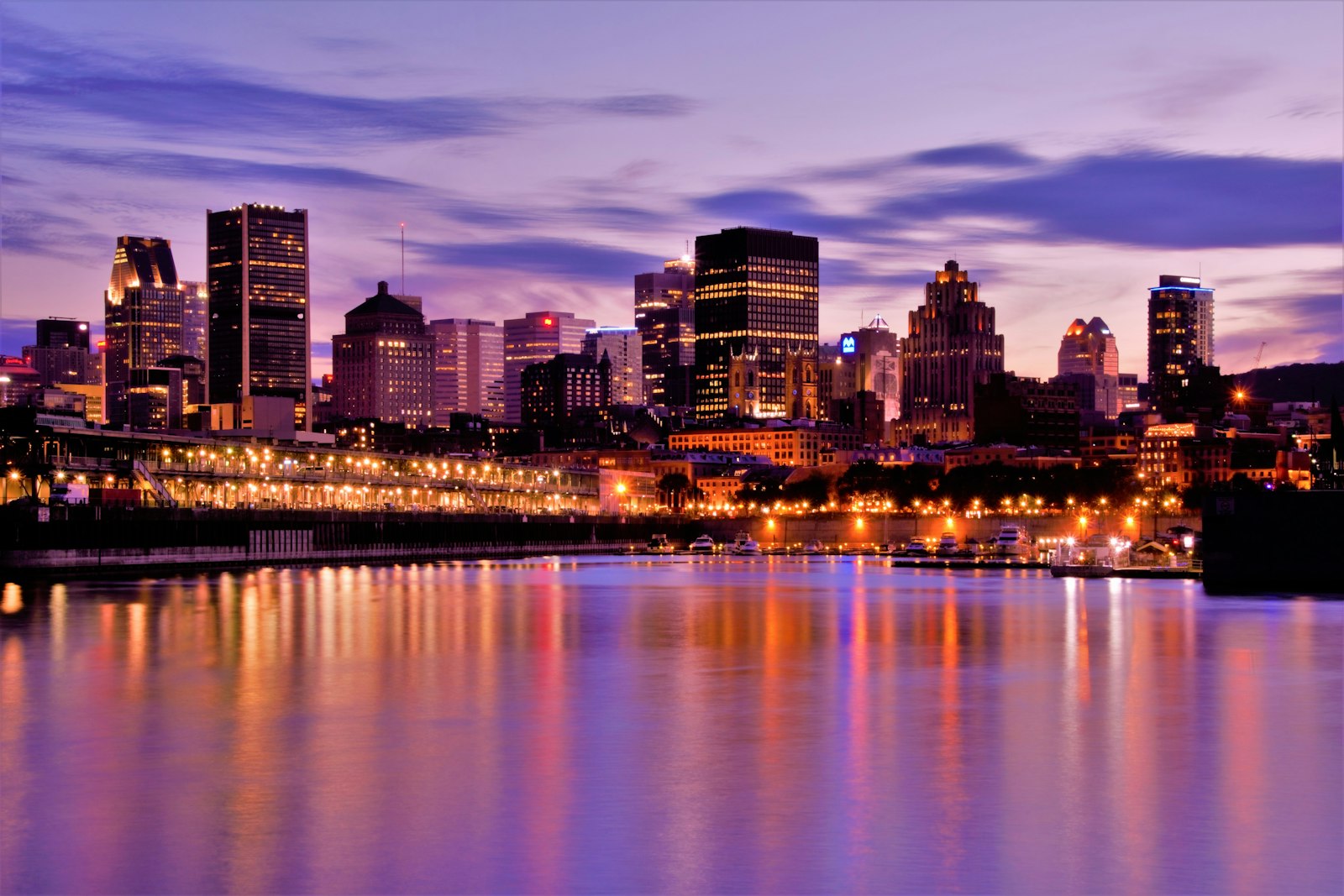
Montreal is criminally under-positioned as a nomad destination. The numbers are uncomfortable: 4.3 million people, gigabit fiber everywhere, world-class healthcare (yes, even for non-residents — see below), the densest restaurant scene per capita in North America, four major universities feeding a perpetually young population, three coworking chains and dozens of independents, summer festivals weekly from May through September, and a cost of living 30–40% below Toronto or Vancouver. The catch — and it's a real catch — is winter. Montreal does not pretend its winter is mild, and the visa pathway is the most complicated of any city in this list.

Weather

Four extreme seasons. Summer (Jun–Aug) hot and humid, 22–30°C, festival-season city in full swing. Autumn (Sep–Oct) crisp and golden — the standout months. Winter (Dec–Mar) is the catch. Average lows in January around -15°C, regular -25°C cold snaps, snowfall totals among the highest of any major North American city. Spring (Apr–May) is short and muddy. If you've never experienced -25°C with windchill, plan an Arctic-grade coat budget.

Air & pollen

Generally excellent — Quebec's clean hydroelectric grid keeps emissions low. Occasional summer wildfire smoke from northern Quebec or Ontario forests (a growing concern since 2023). Spring pollen (May–Jun, tree-and-grass) and ragweed (Aug–Sep) are real factors for sensitive sufferers.

WiFi

Excellent. Bell, Vidéotron, and Fizz fiber deliver 1–3 Gbps in central neighborhoods for CAD $50–$80 ($35–$60)/month. Coworking density is strong — WeWork (multiple), Le Salon 1861, Espaces Temps, Crew Collective, plus the Mile End creative-tech cluster. Café-friendly culture is exceptional, particularly in Mile End and the Plateau.

Cost of living

USD $2,000–$3,000/month for a comfortable lifestyle — by North American standards, this is dramatically affordable. 1BR in the Plateau, Mile End, or Saint-Henri: CAD $1,500–$2,400 ($1,100–$1,750 USD)/month. Bagel-and-coffee breakfast $6, full bistro meal with wine $30–$50. Coworking CAD $250–$400.

Neighborhoods

Plateau Mont-Royal for the iconic walkable creative core. Mile End for the bagels-and-tech cultural overlap (Ubisoft, Element AI/ServiceNow legacy, dozens of indie game studios). Saint-Henri for the south-west emerging-creative neighborhood. Outremont for upscale residential. Old Montreal for tourist density (live elsewhere). Verdun for the quiet, residential, waterfront option.

Food

Montreal's claim to one of North America's top food cities is honest. Bagels (St-Viateur vs Fairmount is the eternal debate), smoked meat (Schwartz's), poutine, the French-Quebecois-Lebanese-Italian-Vietnamese mix from a century of immigration waves. Plus the dépanneur ("dep") corner-store wine-and-cheese culture that makes Friday nights work. Joe Beef, Au Pied de Cochon, and the broader "Montreal terroir" restaurant movement put the city on every serious food critic's map.

Visa

This is the friction point. Canada has no dedicated digital nomad visa as of mid-2026. Most US/EU/UK/AU citizens get 6-month visitor stays on arrival (the longest in the G7). For longer stays, the IEC (International Experience Canada) program covers under-35 nationals from certain treaty countries with a working-holiday visa. Permanent pathways exist (Express Entry, Quebec's PEQ for those who learn French) but require real commitment.

Healthcare reality check

Canadian public healthcare (RAMQ in Quebec) is for residents only. Visitors and short-term nomads need either travel insurance or out-of-pocket — emergency room visits cost CAD $1,200–$3,500 for non-residents. Budget accordingly.

Community

Large and bilingual. The tech scene is real (AI in particular — Mila, Element AI legacy, ServiceNow Research, plus the Ubisoft-anchored game industry). English is widely spoken in the Mile End/Plateau/Downtown corridor; French is the working language outside those zones and a real asset. The startup community concentrates around the Mile End and Place Ville-Marie. Plus a perpetually-replenished student population from McGill, UdeM, Concordia, and UQAM keeps the city young.

The catch

Winter is the dealbreaker for many — it is genuinely harsh, and the "Montreal in winter is charming" rhetoric is told mostly by people in heated underground tunnels. The visa pathway is more complicated than any other city in this list. Healthcare cost-budgeting for non-residents is essential. Quebec's French-language laws (Bill 96, 2022) have tightened the linguistic environment — Anglo nomads should be aware that government services are increasingly French-only. And summer-festival-season Montreal (Jun–Aug) is glorious but accommodation prices spike accordingly.

Sources & methodology: editorial built on 2026 data from Vietnam e-visa portal, Paraguay DNIT, Brazil Receita Federal, Mexico INM, Kenya DCI, Spain SEPE Digital Nomad Visa, Japan ISA, Indonesia DGI, Thai Immigration Bureau, and IRCC Canada.